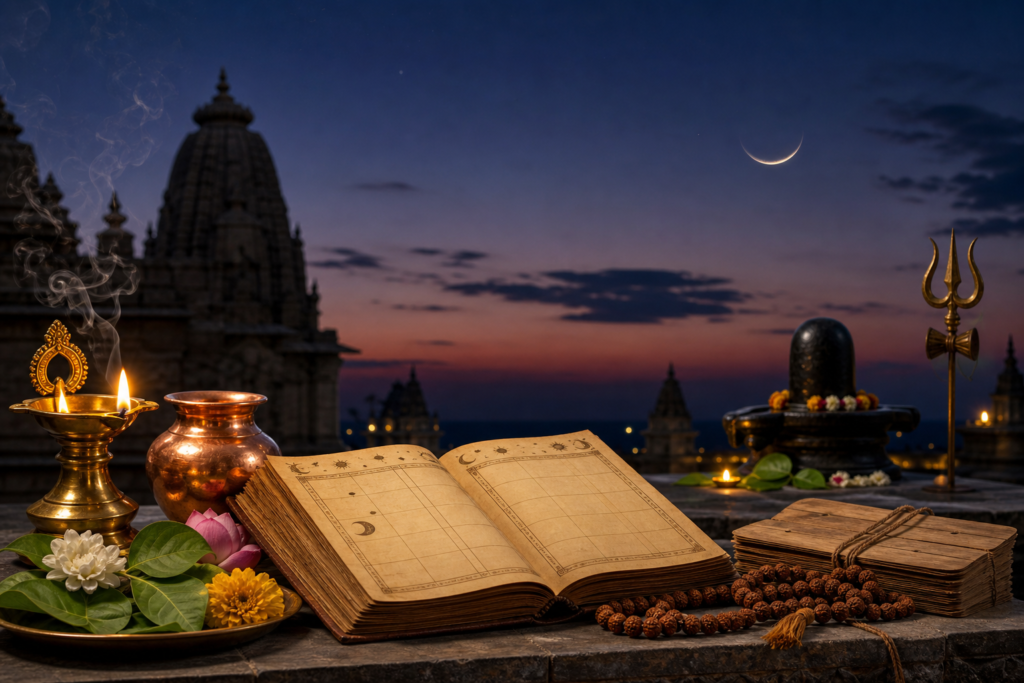
Across the dharmic traditions of Hinduism, Buddhism, Jainism, and Sikhism, sages consistently affirm that the sacred exceeds what the eyes can see and the mind can grasp. Hindu philosophy names this transcendent ground Brahman, a reality that lies beyond the reach of the indriyas (senses) and the conceptual faculty. The Upanishadic vision frames this insight with crystalline brevity: neti neti (not this, not this) and yato vaco nivartante aprapya manasa sahawhere speech and mind turn back, unable to reach. This is not a rejection of the world but a calibration of knowing, a reminder that ultimate truth is not reducible to sensory data or discursive thought.
In classical Indian epistemology, knowledge arises through pramanas (means of knowing). While various schools recognize up to six pramanaspratyaksha (perception), anumana (inference), upamana (comparison), arthapatti (postulation), anupalabdhi (non-cognition), and shabda (authoritative testimony)Vedanta emphasizes that Brahman cannot be objectified by pratyaksha or anumana. Perception and inference excel in the empirical (vyavaharika) realm, but for the paramarthika (ultimate) truth, shabda in the form of the Upanishads uniquely serves as a pramana that points beyond objects to the luminous subject, the witness-consciousness (sakshi).
The finitude of the senses is not a defect; it is a design feature. Senses evolved to track change and contrastcolor, shape, motion, sound. They flourish where differences are many and boundaries are clear. Brahman, however, is the non-dual fullness named in the mahavakya sarvam khalvidam brahmathis all is Brahman. When the object of knowledge is the very ground of knowing, treating it as a sensory object creates a paradox; the eye cannot turn around to see itself, and the mind cannot step outside itself to capture its substratum.
Vedanta therefore bypasses objectification and points inward: tat tvam asithou art that. Knowledge here is not a concept added to memory but self-revelation (aparoksha-anubhava), awakened through the pedagogical sequence of shravana (systematic listening to Upanishadic teaching), manana (reasoned reflection to remove doubt), and nididhyasana (deep contemplative assimilation). The result is clarity that one’s true nature (atman) is not a finite body-mind complex but the limitless awareness in which body and mind appear and disappear.
Advaita Vedanta states this with radical non-dualism, yet other Vedanta traditions also affirm the limits of the senses while maintaining distinct metaphysical maps. Across these perspectives, a shared contour remains: ultimate reality is not a sensory product. Even devotional theologies agree that while saguna Ishvara (the Lord with attributes) is lovingly approached through form and ritual, the divine essence is not exhausted by any image, name, or concept. The tension is creative, not adversarialform can serve as a compassionate bridge to the formless.
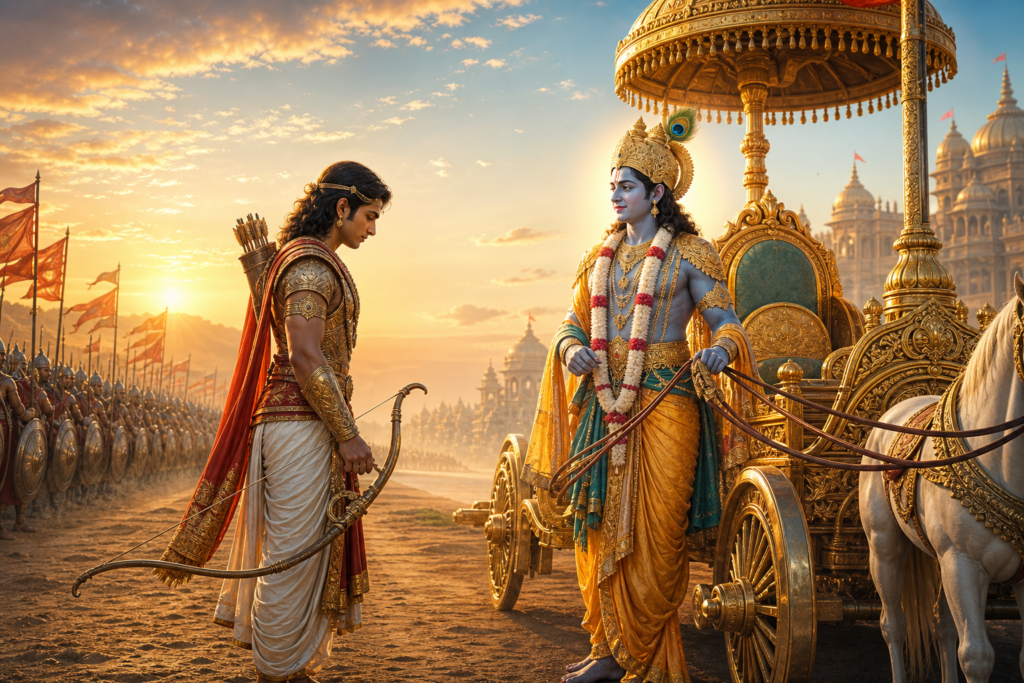
The Bhagavad Gita integrates these strands by harmonizing karma-yoga (selfless action), bhakti-yoga (devotion), and jnana-yoga (wisdom). Devotion sanctifies emotion, action purifies intention, and knowledge dissolves fundamental error (avidya). Together they refine the antahkarana (inner instrument: manas, buddhi, ahamkara, chitta), preparing it to intuit what cannot be sensedmuch as a still lake reflects the moon without distortion.
Yoga, particularly through pratyahara (sense-withdrawal), dharana (one-pointed attention), and dhyana (meditation), addresses the same limit from the side of practice. Patanjali describes pratyahara (Yoga Sutra 2.54–2.55) as the senses turning back to their source, a disciplined quieting that loosens the grip of compulsive reactivity. When attention becomes steady and transparent, it ceases to chase objects and begins to clarify the subjectthe luminous awareness that is never an object.
The Upanishads do not diminish language and mind; they assign them appropriate scope. Kena Upanishad cautions: yad vaca anabhyuditam yena vag abhyudyateBrahman is that by which speech is spoken, not what speech describes. The point is subtle yet decisive: whenever knowledge is relational (knower–known), what is known is necessarily limited. Brahman is not another item within the field of experience; it is the very condition for any experiencethe seeing in every sight, the knowing in every thought.
Mandukya Upanishad illuminates this insight by analyzing waking (jagrat), dreaming (svapna), and deep sleep (sushupti), revealing Turiyanot a fourth state in time but the timeless ground of the three. Turiya is neither seen nor unseen, neither inner nor outer; it is the silent witness of all states. One cannot reach it as an object; one relaxes into it as one’s identity. This is why senses, however refined, cannot deliver Brahman, though they can be consecrated to support the journey.
Saguna and nirguna, therefore, are not rival claims but complementary lenses. In worship (puja), kirtan, and darshan, symbolic forms concentrate attention and stir devotion. Through such practices, emotive and sensory life is transfigured rather than suppressed, aligning the psyche with a deeper truth. Maturity in bhakti recognizes that the beloved exceeds every imagesaguna guides toward nirguna, like a finger pointing to the moon.
This emphasis on the limits of sensory knowledge is not uniquely Hindu; it resonates across the broader dharmic family. Buddhism, for example, highlights that sensory and conceptual fabrications obscure direct seeing (yathabhuta-jnanadarsana). The teaching of shunyata (emptiness) deconstructs reified concepts so that non-conceptual wisdom (prajna) can shine forth. In meditative absorption (jhāna) and insight (vipassana), perception is refined without clinging; what remains is not a sensory object but an unentangled clarity.
Jainism articulates the same humility through anekantavada (the doctrine of non-one-sidedness), reminding that sensory perspectives grasp only partial facets of truth. Kevala-jnana (liberating knowledge) is described as direct, unobstructed awareness that neither depends on nor is constrained by the senses. Syadvada (the sevenfold predication) formalizes this intellectual humility, preventing dogmatism and encouraging dialogue across viewpoints.
Sikh thought likewise integrates form and formlessness through Ik Onkar, acknowledging the One that is both nirgun (without attributes) and sargun (manifest with attributes). The discipline of Naam simran quiets sensory distraction and centers the heart in remembrance, allowing the ineffable presence to guide action and purify intention. Here too, senses are refined as instruments of seva and devotion, yet realization itself is not a sensory capture.
This shared insightunity in spiritual diversitygrounds the dharmic acceptance of multiple sadhanas and Ishta-devata. Diversity of temperament (adhikari-bheda) naturally calls for diversity of methods. Where exclusivist claims seek a single authorized path for all, the dharmic traditions emphasize convergence in ultimate intent: freedom from ignorance, compassion in action, and recognition of the One in the many.
For practical orientation, a layered path is traditional and effective. Ethical steadiness (dharma; yama–niyama) stabilizes life. Pratyahara reduces sensory turbulence, while pranayama harmonizes vital energy (prana). Dhyana deepens attentiveness; japa and kirtan open the heart. Finally, self-inquiry (atma-vichara) and scriptural contemplation (shravana–manana–nididhyasana) clarify identity, resolving the subject–object split where all bondage begins.
Everyday experience can make this vivid. Anyone who has fallen silent before a sunrise or been moved by music beyond words has touched the limit of sensory description. The heart recognizes something larger than what sight and sound report. Vedanta invites the seeker to abide in that recognition, not as a passing mood but as abiding knowledge of oneself as awareness, present before, during, and after every sensation.
The role of the Guru and the value of satsanga (company of the wise) follow from this architecture of knowledge. Because Brahman is not a new object to obtain but the ever-present reality to recognize, instruction is a precise removal of error (adhyasa-bhashya tradition) rather than an acquisition of qualities. The mahavakyas function like a mirror; they do not create a face but reveal what is always there.
Far from being anti-reason, this vision elevates reason by giving it right scope. Nyaya and Mimamsa honed exacting standards for inference and testimony; Vedanta employs those tools to ensure that contemplative insight is not wishful thinking. The senses remain indispensable for worldly life, science, and ethics; they are simply insufficient for grasping that which is the very precondition for all grasping.
Dialogue with science benefits from this clarity. Physics and cognitive science document how perception can mislead through illusions and predictive biases. Such findings corroborate, without collapsing into, the Vedantic claim: even perfect sensory instruments would still not objectify the subject. When each discipline honors its domain, a respectful complementarity emerges that enriches both inquiry and practice.
The ethical and social implications are profound. Recognizing the limits of the senses cultivates intellectual humility and interfaith respect. Within the dharmic family, it underwrites unity amid plural forms; across communities, it encourages a generous spirit that honors diverse revelations of the One. As practice matures, devotion becomes inclusive, knowledge becomes compassionate, and service becomes spontaneous.
At the horizon of all seeking, the Upanishadic assurance stands: neha nanasti kinchanathere is no real multiplicity here. This is not a denial of the world but recognition of its ground. The senses can celebrate the sacred; only insight can be free in it. Beyond the senses, Brahman shines as one’s very Selfintimate, unobjectifiable, inexhaustible.
Inspired by this post on Hindu Blog.