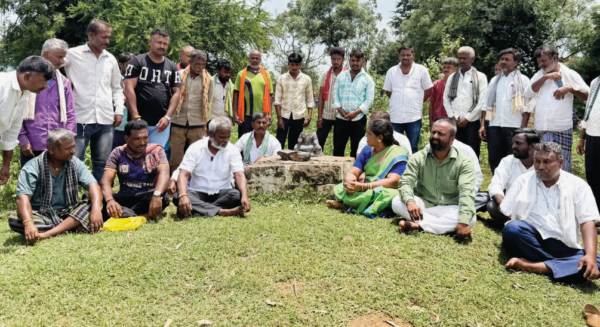
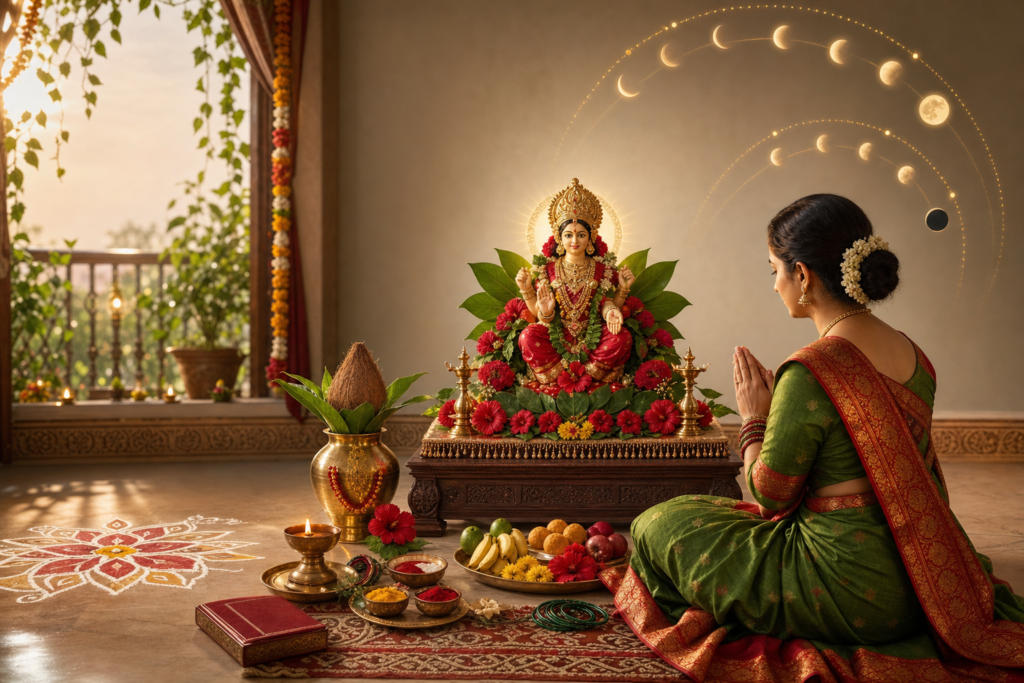
Temple trustees in Navi Mumbai resolved to introduce a dress code across 25 temples following a meeting in Nerul convened under the aegis of the Maharashtra Mandir Mahasangh. The decision, framed as a collective commitment to preserve sanctity and enhance devotee experience, aligns with long-standing practices at prominent dharmic shrines in India and abroad. As a governance step, the resolution seeks to balance spiritual maryada with accessibility, dignity, and unity in spiritual diversity.
Dress codes at temples are not a matter of fashion regulation; they are an integral expression of the Hindu way of life within sacred precincts. Across Hindu, Buddhist, Jain, and Sikh traditions, modest and respectful attire has historically signaled inner readiness for darshan and seva. Devotees often report that when clothing reflects reverencecovered shoulders, knees, and simple, breathable fabricsattention naturally shifts from the external to the devotional, creating a calmer and more contemplative experience.
While specific norms will be finalized by each participating trust, a temple dress code typically encourages modest, climate-appropriate attiresuch as saree, salwar-kameez, kurta-pajama, or trousers with an appropriate topand discourages ripped or revealing garments. Many temples complement guidelines with practical supports: counters offering shawls, uttariya, and dhoti on a refundable deposit; clear signage; and volunteer-led guidance delivered with courtesy. In coastal cities like Navi Mumbai, breathable cottons and season-appropriate layers can make compliance both comfortable and dignified.
Constitutionally, such measures operate within the framework of Articles 25 and 26 of the Indian Constitution, which protect freedom of religion and the right of religious denominations to manage their own affairs, subject to public order, morality, and health. Trustees, as custodians of public religious trusts, have a recognized administrative remit to frame reasonable, non-discriminatory rules that uphold temple maryada while respecting fundamental rights. A well-crafted dress codeclear, minimally intrusive, and uniformly appliedgenerally fits within this constitutional balance.
Statutorily, temples registered under the Bombay Public Trusts Act, 1950 (as applicable in Maharashtra) are empowered to adopt by-laws and operational norms for orderly worship and devotee facilities. In practice, trustees translate broad principles into implementable guidelines: specifying acceptable attire, publishing the code in multiple languages, and creating simple remediessuch as lending countersso that no devotee is turned away for want of an extra shawl or dupatta.
Comparative practice underscores the normalcy of such codes in dharmic spaces. Tamil Nadu’s temples under HR&CE issued attire advisories following judicial guidance in 2015; major Buddhist complexes like Angkor Wat and Thai wats expect covered shoulders and knees; Jain derasars often request simple, clean clothing free of leather; and Sikh gurdwaras require head coverings and barefoot entry. These parallel norms reflect shared dharmic sensibilities around purity, humility, and respectful presence within sacred architecture.
For Navi Mumbai’s 25 temples, implementation can prioritize inclusion and clarity. Multilingual communicationMarathi, Hindi, and Englishplaced at entrances and on official websites ensures predictability. Visual guides help visitors unfamiliar with local customs. Volunteer training emphasizes gentle, non-confrontational communication, avoiding any semblance of “moral policing” while offering practical solutions, such as on-the-spot shawls for shoulders or waist cloths for men entering sanctum-facing areas where such customs exist.
Accessibility must remain central. Families with children, elderly devotees, and persons with disabilities benefit when dress codes are simple, attainable, and supported by on-site amenities. Climate-aware guidanceencouraging light fabrics and non-restrictive fitsensures comfort during queues, pradakshina, and aarti. Where tradition permits, head coverings should be treated as optional guidance rather than compulsion; where tradition requires them, dignified provisions should be made readily available.
Safeguards against arbitrariness strengthen trust. Rules should be written, uniformly enforced, and periodically reviewed. No devotee should be singled out or shamed; any redirection must be solution-oriented (for example, offering a free or refundable-covering option). Feedback mechanismssuggestion boxes, QR-linked forms, and periodic open-house meetingscan help trustees finetune guidelines and identify unanticipated concerns.
Engagement with local communities and allied dharmic institutions sustains unity. Consultations involving priests (archakas), temple staff, women’s groups, youth volunteers, and representatives from Buddhist viharas, Jain derasars, and Sikh gurdwaras can harmonize expectations and share best practices. Such dialogue affirms that temple governance is community-centered and that modesty guidelines serve devotion, not exclusion.
Data-informed monitoring can keep the code responsive. Trustees may track basic indicatorsfootfall, queue times, incidences of non-compliance resolved with on-site amenities, and volunteer interactionsto gauge whether the dress code enhances or hinders devotee experience. A six-month review cycle, publicly communicated, demonstrates accountability and fosters goodwill.
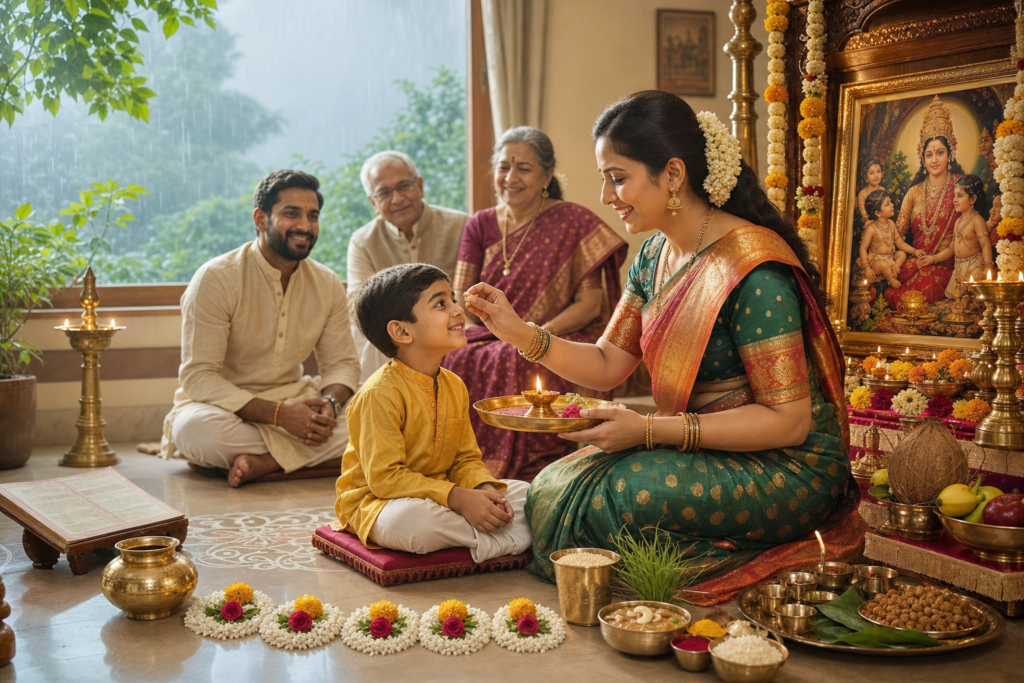
Beyond governance, there is an affective dimension many devotees recognize. Entering a mandir in simple, modest attire often acts as a quiet inward signal: the mind settles, conversations soften, and attention turns to mantra, murti, and aarti’s light. Families frequently carry a dedicated temple shawl or dupatta, a small intergenerational practice that blends practicality with reverenceone more way clothing can cue inner composure before darshan.
Common concerns can be addressed preemptively. To avoid perceptions of moral policing, communication should emphasize sanctity, comfort, and uniform application rather than judgment. So that guidelines are not misread as barriers to entry, temples should foreground the availability of coverings and the principle that no sincere bhakta should be turned away for lack of compliant attire when immediate remedies exist.
From a broader perspective, the Navi Mumbai resolution reflects an intent to steward sacred space with care while welcoming diverse devotees. When reasonably designed and humanely implemented, a temple dress code can preserve ritual integrity, elevate the collective atmosphere of worship, and strengthen community cohesionfulfilling both the constitutional spirit of respectful practice and the dharmic ideal of unity in spiritual diversity.
In sum, the Nerul meeting under the Maharashtra Mandir Mahasangh has set a policy direction that many Indian temples have thoughtfully pursued: modest, clear, and compassionate attire guidance that supports sanctity without sacrificing inclusion. As these 25 Navi Mumbai temples translate resolution into practice, their choices in communication, amenities, and review will determine how effectively the dress code enhances darshan, safeguards dignity, and advances harmonious temple culture.
Inspired by this post on Hindu Jagruti Samiti.