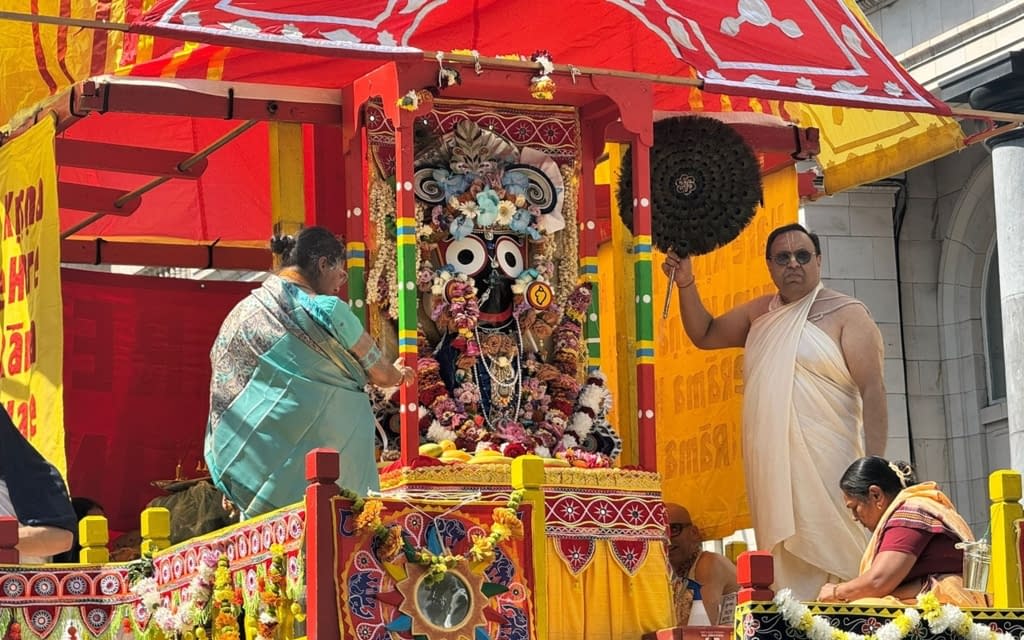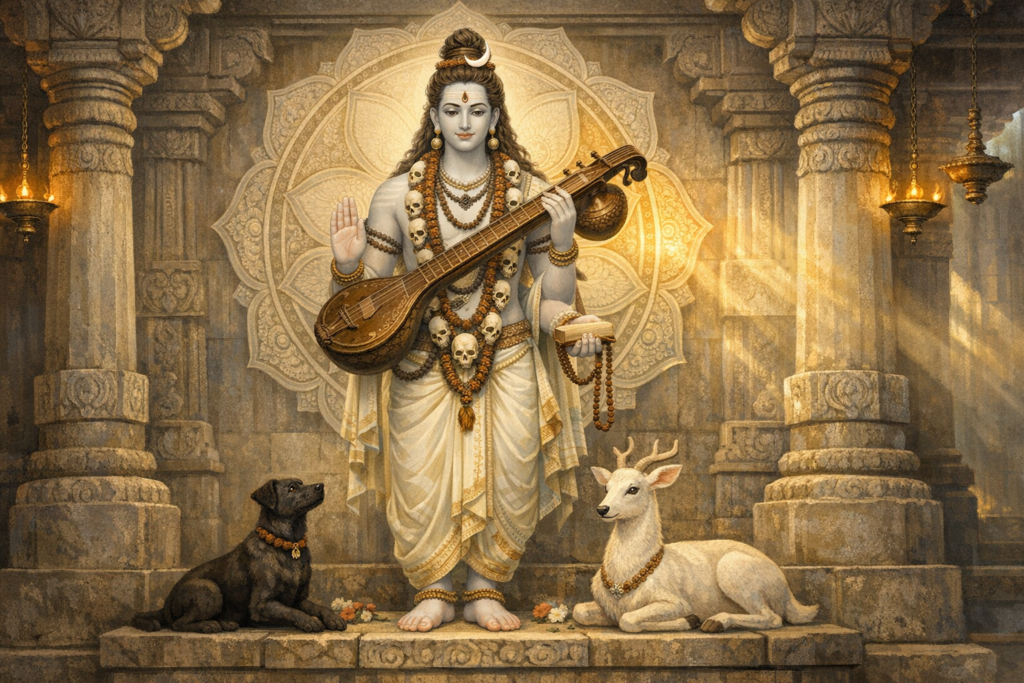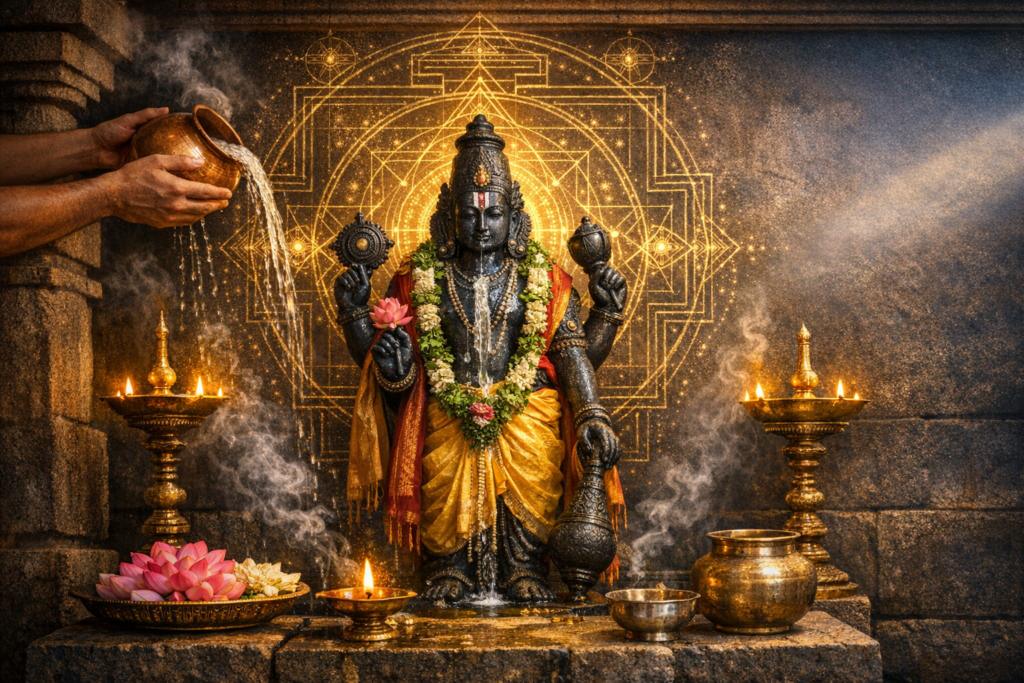
Sri Navadvipa-dhama Virtual Parikrama, developed in the spirit of Srila Bhaktivinoda Thakura’s vision and curated by ISKCON Mayapur, extends the sanctity of Gaura-mandala-bhumi to a global audience through a mobile-friendly, multilingual platform. Blending scriptural insights, place-based darshan, high-quality video, and Google-integrated navigation, it enables a respectful, research-backed pilgrimage that honors tradition while embracing the digital age.
Situated across nine islands formed by the Ganga and Jalangi, Sri Navadvipa-dhama stands as the birthplace-lila of Sri Chaitanya Mahaprabhu and as a living center of Gaudiya Vaishnava theology and practice. For practitioners of Hindu pilgrimage (tirtha-yatra), the dham’s sacred geography offers a contemplative framework that is accessible to students, families, and seekers across dharmic traditions.
Historically, Bhaktivinoda Thakura articulated the theological centrality and cartography of the dham in Navadvipa-dhama-mahatmya and championed its revival; his son, Srila Bhaktisiddhanta Sarasvati, institutionalized the parikrama in the early twentieth century. The present virtual initiative carefully extends that lineage by preserving devotional ethos—humility, seva, and study—while widening access for those unable to travel due to distance, health, season, or circumstance.
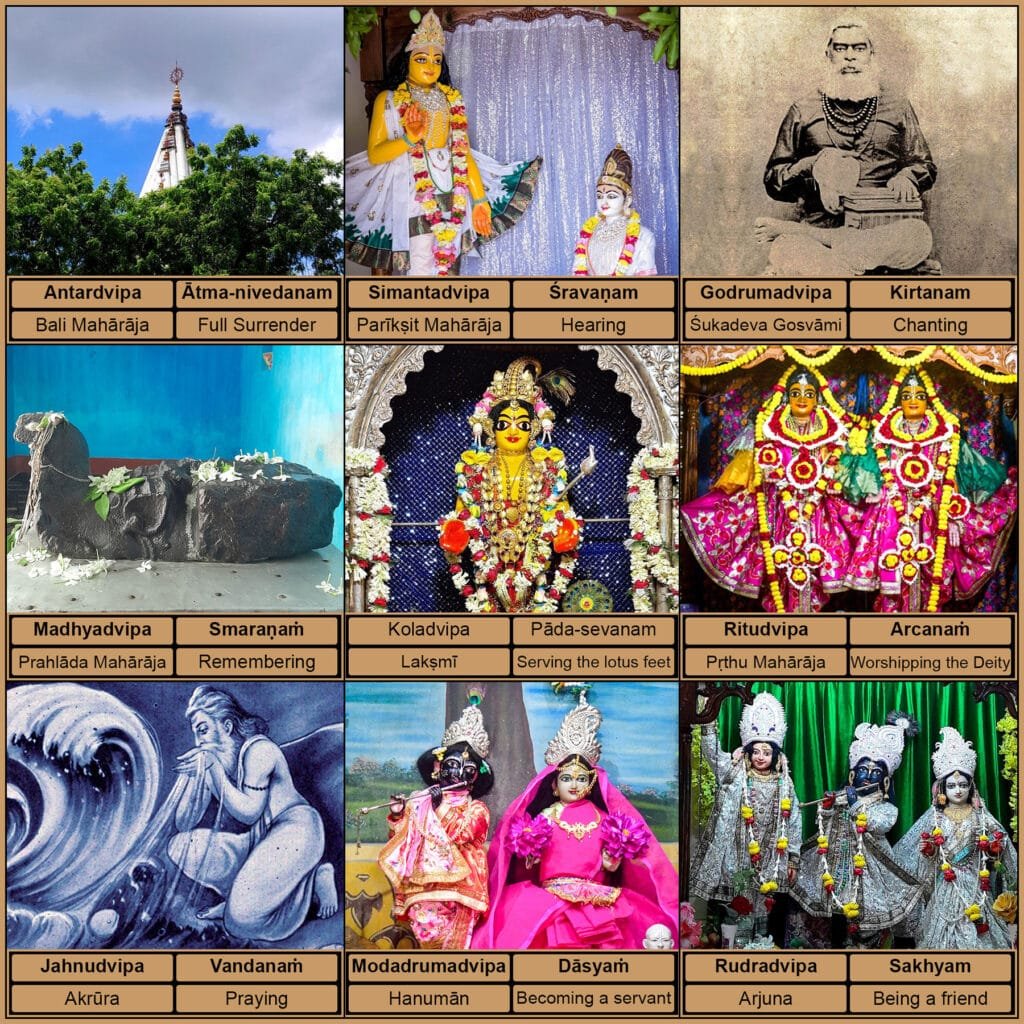
Aligned with Gaudiya hermeneutics, the virtual route reflects the classical correspondence of the nine islands with the nine processes of bhakti (navadha-bhakti): Antardvipa—atma-nivedanam (self-surrender); Simantadvipa—sravanam (hearing); Godrumadvipa—kirtanam (chanting); Madhyadvipa—smaranam (remembering); Koladvipa—pada-sevanam (serving the lotus feet); Ritudvipa—arcanam (deity worship); Jahnudvipa—vandanam (prayer); Modadrumadvipa—dasya (servitorship); Rudradvipa—sakhya (friendship). This mapping orients the pilgrim’s inner practice with each geographic segment.
Each waypoint provides rigorously referenced content—citations from Chaitanya Bhagavata, Chaitanya Charitamrita, and Bhaktivinoda Thakura’s works; concise historical notes; and curated media—to support accurate, contemplative engagement. Many pilgrims report that the convergence of scripture, narrative, and sight-sound immersion helps translate learning into lived devotion.
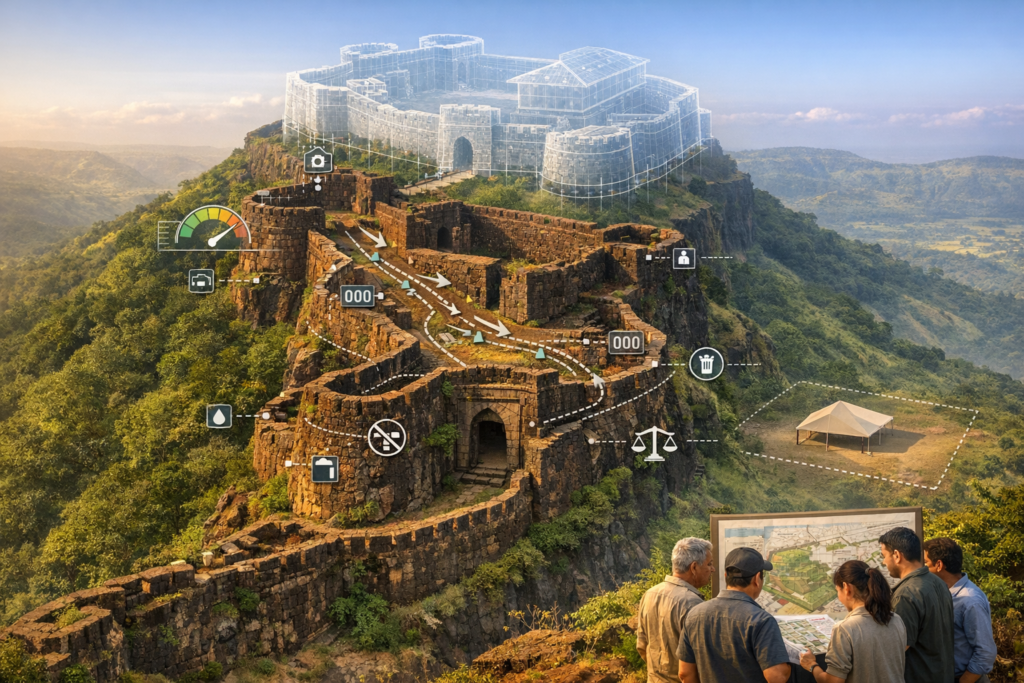
On-site QR codes at holy places unlock location-specific pages that present Gaudiya Vaishnava teachings, images, and video in seconds, minimizing distraction and maximizing focus on darshan. Google-integrated navigation streamlines orientation and routing between shrines, ghats, and forests, making the experience practical on the ground and intelligible online.
Built as a mobile-first, multilingual resource, the platform facilitates inclusive participation for the elderly, students, and the diaspora. Readability enhancements, media transcripts, and structured headings support accessibility and search discoverability while preserving the reverence appropriate to sacred content.
The initiative underscores a unifying premise shared across Hinduism, Buddhism, Jainism, and Sikhism: pilgrimage and contemplative remembrance refine character, deepen compassion, and orient life toward truth. Without privileging a single path, the virtual parikrama honors plurality and invites respectful dialogue among dharmic traditions, aligning with the broader ethos of interfaith harmony and cultural preservation.
Educators and lifelong learners can integrate the parikrama into curricula on Indian History, Scriptures, and Cultural Heritage. Map-based modules, primary-text references, and reflective prompts transform the route into a structured learning journey that links śruti-smṛti sources with lived practice, a method applicable to other sacred circuits and temple traditions.
To sustain devotional focus in a digital setting, participants commonly set an intention, observe a short period of silence or japa, and recite a verse before viewing each module. Such simple disciplines preserve the sanctity of darshan, whether accessed from a quiet room at home or while standing beside a riverside shrine.
An indicative progression begins at Antardvipa (Mayapur), the locus of atma-nivedanam, and then follows sravanam at Simantadvipa, kirtanam at Godrumadvipa, and smaranam at Madhyadvipa, gradually unfolding the remaining five practices through Koladvipa, Ritudvipa, Jahnudvipa, Modadrumadvipa, and Rudradvipa. This sequencing harmonizes outer travel with inner cultivation.
Place-identifications and textual associations presented in the modules reflect established Gaudiya Vaishnava tradition and the scholarship cultivated in Mayapur. Where the tradition records multiple views, notes clarify variant understandings, encouraging careful study and charitable engagement.
A virtual format reduces barriers of cost, mobility, and time while lowering environmental impact, yet it also gently encourages, when feasible, an in-person visit conducted with ecological sensitivity and local respect. During peak festivals or monsoon seasons, the virtual route offers safe continuity of study and remembrance.
By uniting scriptural precision, geographic fidelity, and thoughtful technology—QR codes, Google Maps navigation, and a multilingual, mobile-first interface—the Sri Navadvipa-dhama Virtual Parikrama preserves the essence of tirtha-yatra while extending its grace to anyone, anywhere. It stands as a model for dharmic collaboration and as a living invitation to cultivate bhakti, wisdom, and unity.
Inspired by this post on Dandavats.