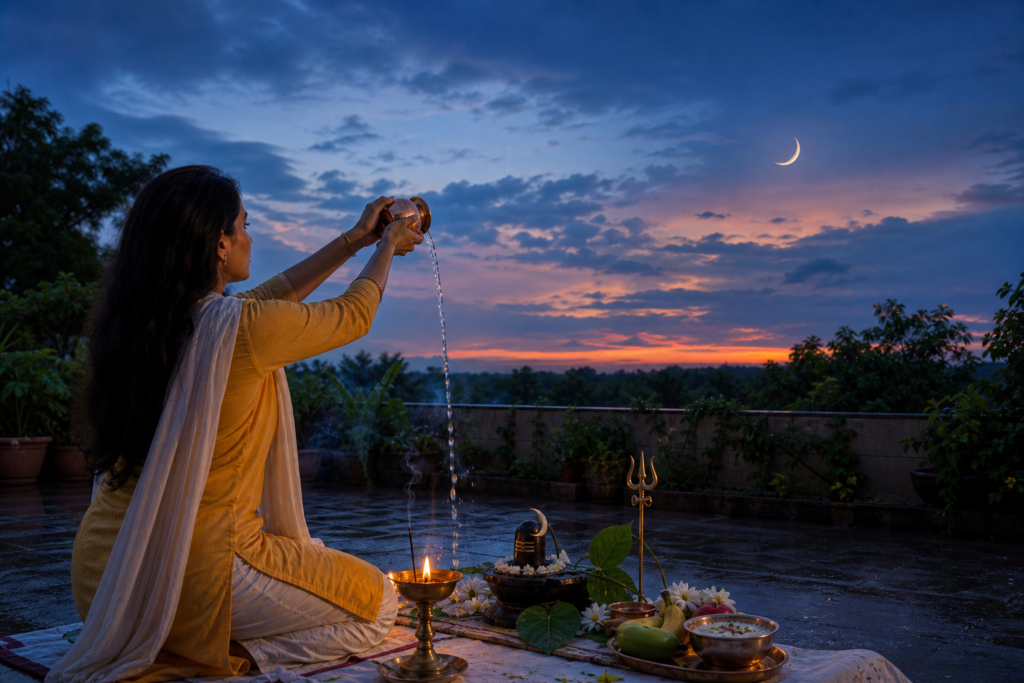
Masi Magam (Masi Makam or Masi Maham) is a major festival of the Tamil calendar, observed across Tamil Nadu during Masi Masam (February–March). In 2026, Masi Magam falls on March 3. The observance is anchored to Magam Nakshatra in the month of Masi and commonly aligns with Pournami, the Full Moon, imparting a luminous atmosphere to community worship and home rituals alike.
As a calendar event, Masi Magam is determined by the transit of the Moon through Magam Nakshatra. Because this timing is astronomical, it can align with Full Moon night and occasionally vary across regions. For precise local muhurta and temple schedules in 2026, consulting a trusted panchang or temple notice is recommended. This alignment of Magam Nakshatra and Masi Masam lends the festival its distinctive spiritual character within the Tamil Hindu tradition.
Across Tamil Nadu, temples commemorate the day with processions and the sacred theerthavariritual immersion of deities’ utsava murthis in temple tanks, rivers, or the seasymbolizing renewal, purification, and communal harmony. Families gather for darshan, simple satvik meals, lighting of lamps, and prayers. Devotees often describe a feeling of quiet assurance and gratitude under the gleam of the Full Moon, noting how the festival nurtures reflection, compassion, and seva, values cherished in the broader dharmic ethos.
Meaningful home observance can be simple yet profound. Many households perform puja to Shiva, Vishnu, Devi, or Murugan according to family traditions; offer flowers and naivedyam; chant select mantras; and read a few verses from sacred texts. Gentle moonlight meditation, sharing food with neighbors, and charitable giving further embody the spirit of Masi Magam. These practices encourage inner clarity and kindness while staying rooted in the Tamil calendar’s rhythm and the sanctity of Pournami.
Masi Magam also reflects the inclusive heart of dharmic traditionsHinduism, Buddhism, Jainism, and Sikhismthrough its emphasis on purity of intent, self-discipline, and service to others. The festival’s collective acts of cleanliness, generosity, and remembrance affirm values that resonate across these paths. Respect for diverse forms of worship and reverence for different Ishta Devata support unity in spiritual diversity, strengthening social cohesion and mutual goodwill.
For those planning temple visits in 2026, it is prudent to review each temple’s Masi Magam schedule in advance, arrive early for theerthavari processions, and practice eco-conscious participation by minimizing waste and supporting local artisans. Simple measuresstaying hydrated, following temple guidance, and offering assistance to eldersenhance the experience for everyone and reflect the day’s ethos of care and community.
In essence, Masi Magam 2026 on March 3 offers a luminous opportunity to align daily life with the sacred. Whether joining coastal processions in Tamil Nadu or observing at home under the Full Moon, the festival invites reflection, devotion, and servicetime-honored practices that cultivate inner steadiness and shared harmony in the wider dharmic family.
Inspired by this post on Hindu Pad.