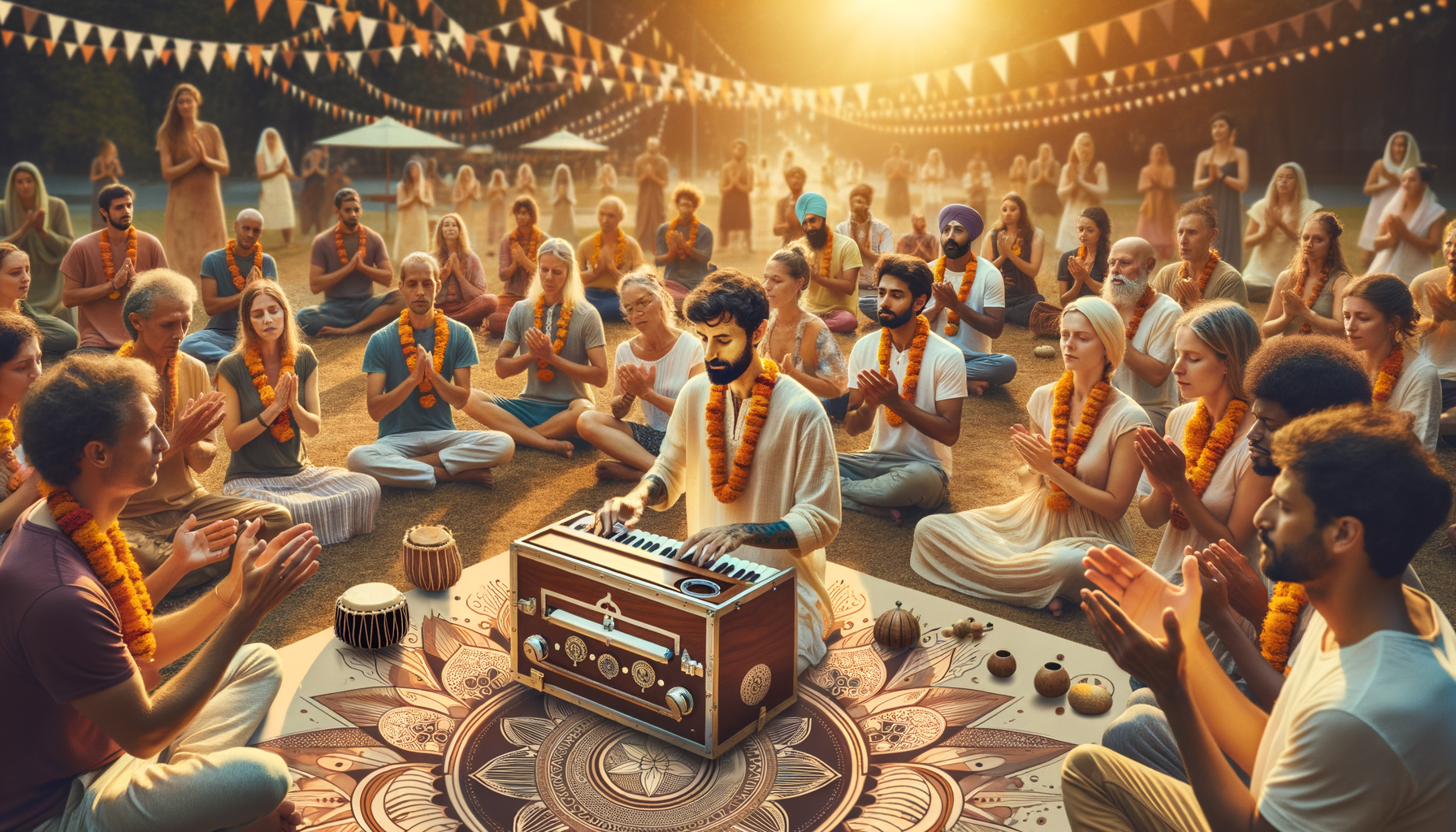
Sankirtana refers to the congregational chanting of the Lord’s holy names, most widely expressed in the Hare Krishna maha-mantra. Across public spaces and community gatherings, many first encounter this practice by simply hearing devotees chant. The immediate question that ariseswhat makes this process so effective, and why does it serve as such a compelling first point of contactinvites a closer look at its spiritual, social, and experiential dimensions.
At the experiential level, sankirtana combines rhythm, melody, and mantra in a shared setting. Repetition of sacred sound supports steady breath and focused attention, while call-and-response singing lowers the barrier to participation. Research on group music-making suggests increased social bonding and emotional regulation; within the bhakti framework, these effects are understood as aligned with inner clarity and upliftment rather than mere aesthetic pleasure.
In the Bhakti Tradition, the holy names are considered non-different from the Divine. Thus, chanting functions as both a devotional act and a contemplative discipline. The Hare Krishna maha-mantra centers awareness on a direct invocation, allowing participants to engage in mantra meditation while remaining rooted in a joyful, communal practice. This combination of devotion and mindfulness helps explain why sankirtana resonates so quickly with newcomers.
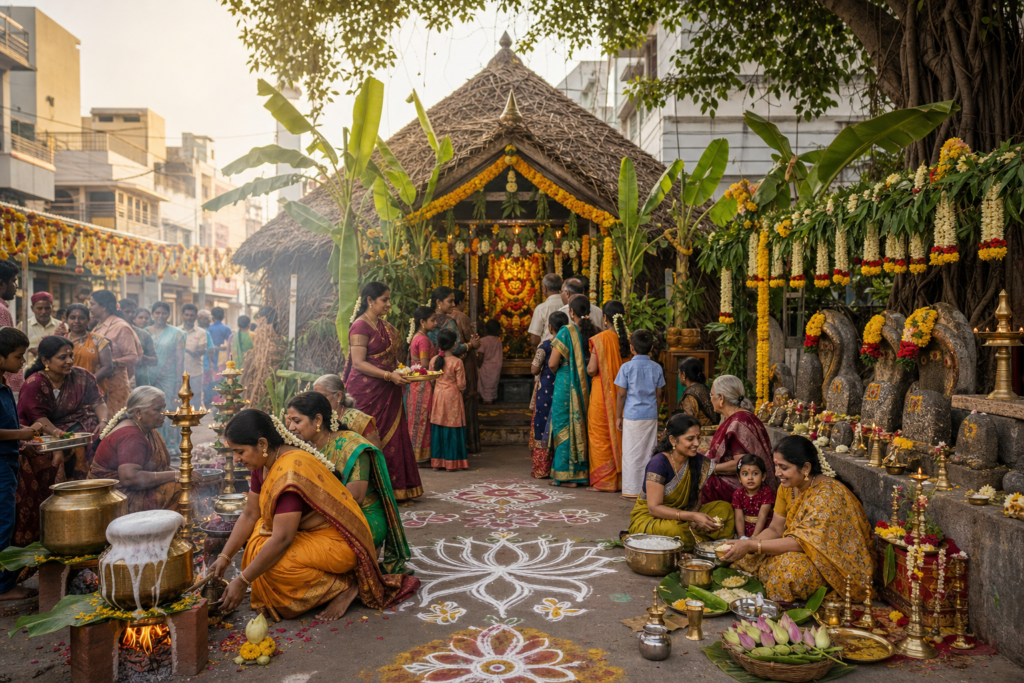
Socially, congregational chanting creates an accessible, welcoming atmosphere. No prerequisites of language, scholarship, or prior training are required; the music itself carries participants into the flow. For many, this is the first gentle doorway into the broader teachings of Hinduismmoving from hearing (shravaṇa) to active participation, and eventually toward curiosity about scriptures, ethics, and daily spiritual practices.
Historically, Lord Chaitanya’s sankirtana movement emphasized public, inclusive chanting as a practical path for a complex age. The Gaudiya lineage held that communal glorification of the Divine names purifies the heart and unites people beyond social boundaries. This historic vision remains relevant today, especially as communities seek spiritual connection that is both profound and approachable.
Importantly, congregational chanting is a shared theme across dharmic traditions. Buddhist communities undertake sutra and mantra recitation, Jain communities engage in stavan and samayik, and Sikh tradition centers the sangat around kirtan. Recognizing these parallels fosters unity in spiritual diversity, encouraging mutual respect and collaboration among Hinduism, Buddhism, Jainism, and Sikhism. Sankirtana, viewed in this wider dharmic context, becomes a bridge rather than a boundary.
From a practical perspective, sankirtana’s effectiveness arises from its multisensory design. Melodic repetition aids memory; rhythm supports one-pointedness; collective voices cultivate belonging. These elements help reduce distraction and invite a calm yet alert state, making sankirtana a powerful introduction to mantra meditation and devotional music for those unfamiliar with the tradition.
As a first exposure, public kirtan communicates the essence of bhakti without extensive explanation: joy, humility, and service expressed through sound. It encourages ethical sensitivity and community-mindedness, while remaining open to all ages and backgrounds. By prioritizing inclusionthrough thoughtful facilitation, clear call-and-response, and respect for diverse participantssankirtana naturally aligns with a unifying spiritual ethos.
In sum, sankirtana works because it harmonizes sacred sound, shared intention, and communal presence. It offers inner clarity through mantra, emotional solace through music, and collective unity through participation. For many, that first encountersimply hearing the Hare Krishna maha-mantra in a public spacebecomes a memorable turning point toward deeper study, practice, and inter-traditional understanding.
Inspired by this post on Dandavats.