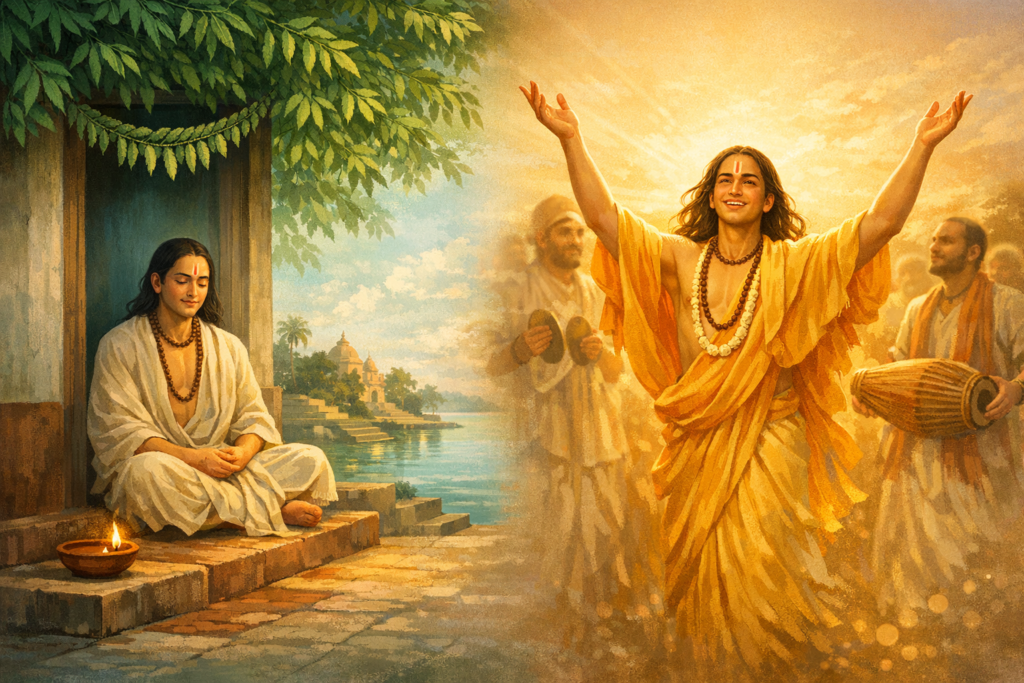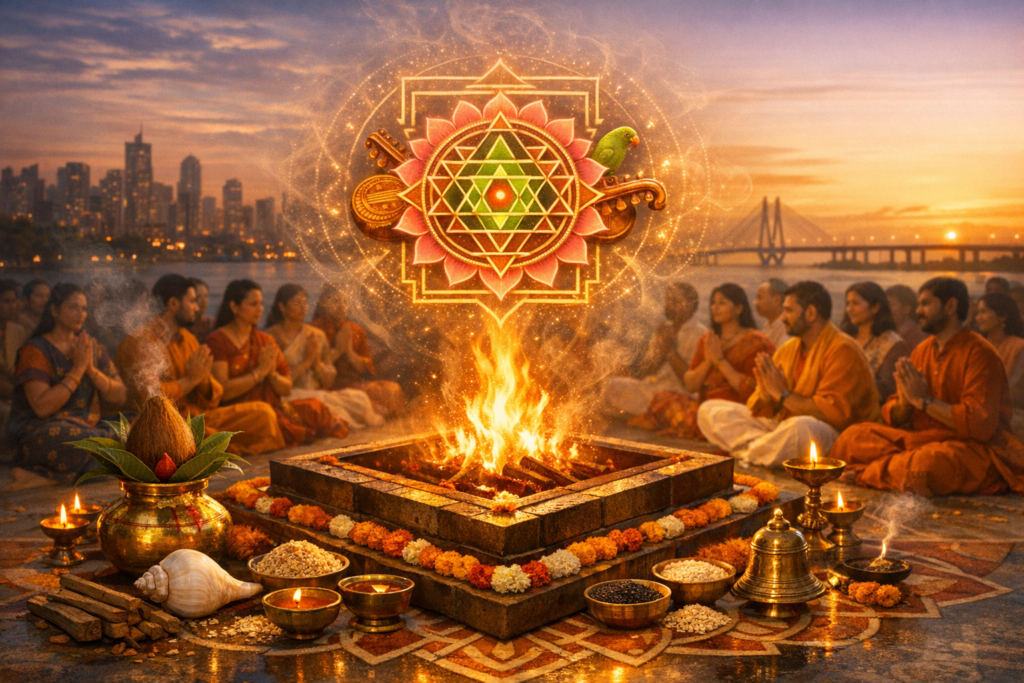
Gopal Ganapati Temple stands in Bandivade (Bandiwade), within Ponda taluka, Goa, as a revered landmark of devotional continuity and cultural memory. Recognized locally as part of Farmagudi’s sacred landscape, it offers a tranquil counterpoint to Goa’s coastal bustle and remains central to the spiritual rhythm of the region.
Historically, the site is intertwined with seventeenth-century Maratha activity in Ponda. During this period, the Marathas held the Ponda palace, and Fort Mardangad was erected under the leadership of Chhatrapati Sambhaji. Historical accounts note that he camped with his army near this very location and directed the erection of a Gudi on a hill nearby—an act that anchored the area’s sanctity and enduring ritual life.
The establishment of the Gudi not only affirmed political presence but also shaped a sacred geography that communities continue to honor. Such spaces, devoted to Ganesha (Ganapati), embody shared dharmic values—reverence for learning, auspicious beginnings, and communal harmony—that resonate across Hindu, Buddhist, Jain, and Sikh traditions in the form of ethical living, service, and collective remembrance. In this sense, the temple’s legacy reflects unity-in-diversity, a hallmark of India’s civilizational ethos.
Visitors frequently describe the atmosphere around Gopal Ganapati Temple as contemplative and grounding, well-suited to quiet reflection and mindful prayer. For those exploring inland Goa, especially the Ponda cultural circuit, the temple provides historical depth alongside devotional calm. Its proximity to Ponda’s broader network of sacred sites makes it a meaningful stop for anyone seeking to understand how faith, history, and community converge in Goa.
As a living heritage site of the Maratha era, Gopal Ganapati Temple symbolizes continuity: from strategic fortification and royal directives to ongoing worship and local stewardship. Preserving such spaces—through respectful visitation and awareness of their layered past—strengthens cultural heritage and affirms the inclusive, dharmic values that have long nurtured social cohesion in the region.
Inspired by this post on Hindu Pad.