A resonant inquiry within Hindu philosophy asks: if gods are projections of human imagination, who creates imagination itself? The question is not a dismissal of divinity but an invitation into the heart of consciousness. Rather than reduce the sacred to fiction, the inquiry reframes the relationship between imagination, awareness, and the plurality of forms revered across Hinduism and allied Dharmic traditions.
Hindu thought distinguishes the instruments of mind—manas (sensory mind), buddhi (intellect), and ahamkara (ego)—as functions within the broader field of chitta (mind-stuff). In Vedanta, the Upanishads describe Consciousness (Atman–Brahman) as the foundational reality, the ever-present witness without which no thought, memory, or image can arise. Imagination, therefore, does not generate awareness; it appears in awareness. The priority is ontological: awareness is the condition for imagination, not its product.
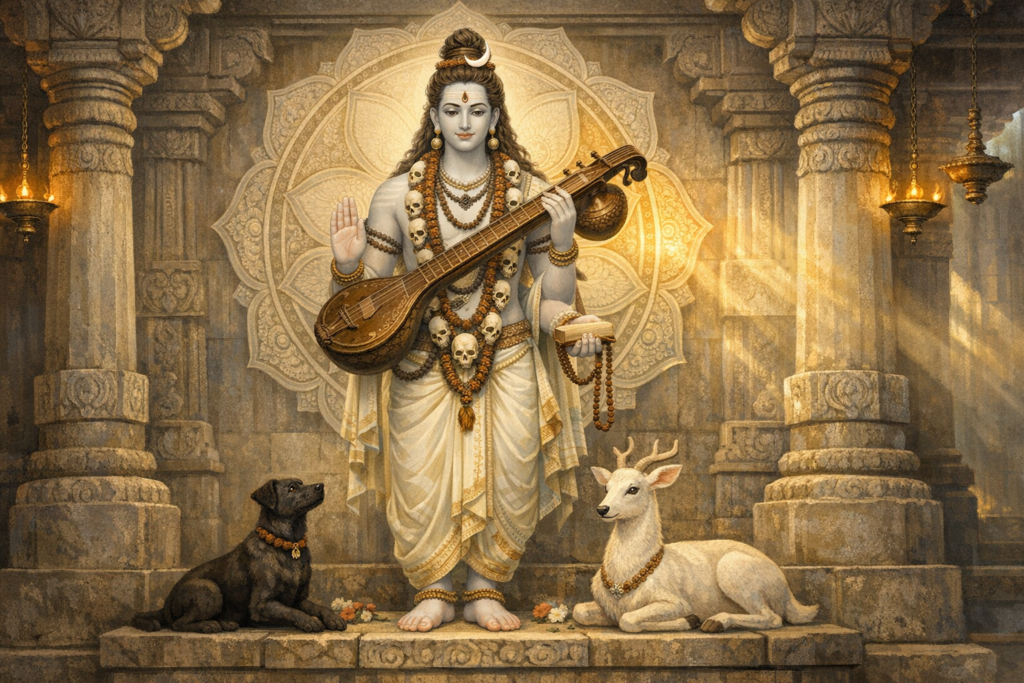
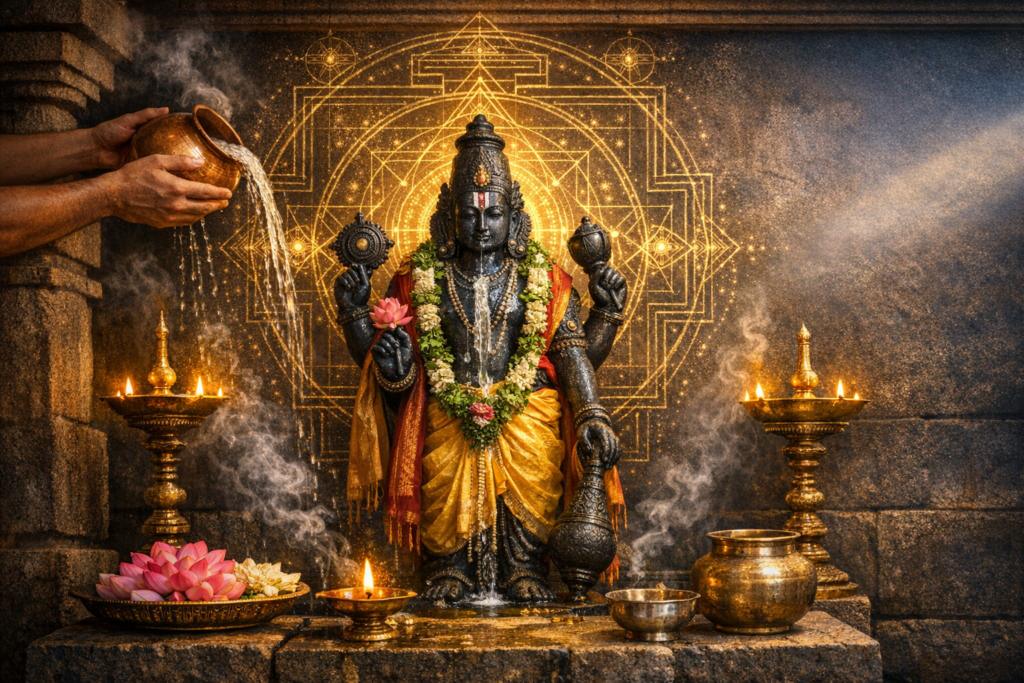
If deities are experienced as “forms” in the mind, Hinduism offers a nuanced explanation through the principle of Ishta. Deities can be understood as symbolic, pedagogical, and transformative forms that make the ineffable accessible. They are not mere fantasies but meaningful gateways that help refine attention, align values, and cultivate bhakti, dhyana, and viveka. In this way, imagination becomes a disciplined instrument of spiritual growth rather than an escapist faculty.
Across Dharmic traditions, this insight finds powerful resonance. Buddhism analyzes mind and imagination through the dynamics of vijnana and sankhara, emphasizing mindfulness and non-clinging to mental fabrications. Jainism’s anekantavada (many-sidedness) cautions against absolutizing any single perspective on the real, encouraging humility toward the diversity of spiritual experiences. Sikhism centers Ik Onkar, the One, while guiding attention through simran and seva to attune the mind to the Real. In each, imagination is refined by deeper awareness and ethical orientation.
Philosophically, two broad pathways appear in Hinduism: Advaita Vedanta maintains that consciousness is non-derivative and foundational, while Sankhya–Yoga holds Purusha as the witnessing principle distinct from Prakriti and its modifications. Both perspectives agree that imagination arises within a field of awareness. Contemporary cognitive studies may describe imagination as emergent from neural activity, yet Dharmic philosophies remind that even such descriptions presuppose the light of awareness in which models and measurements become intelligible.
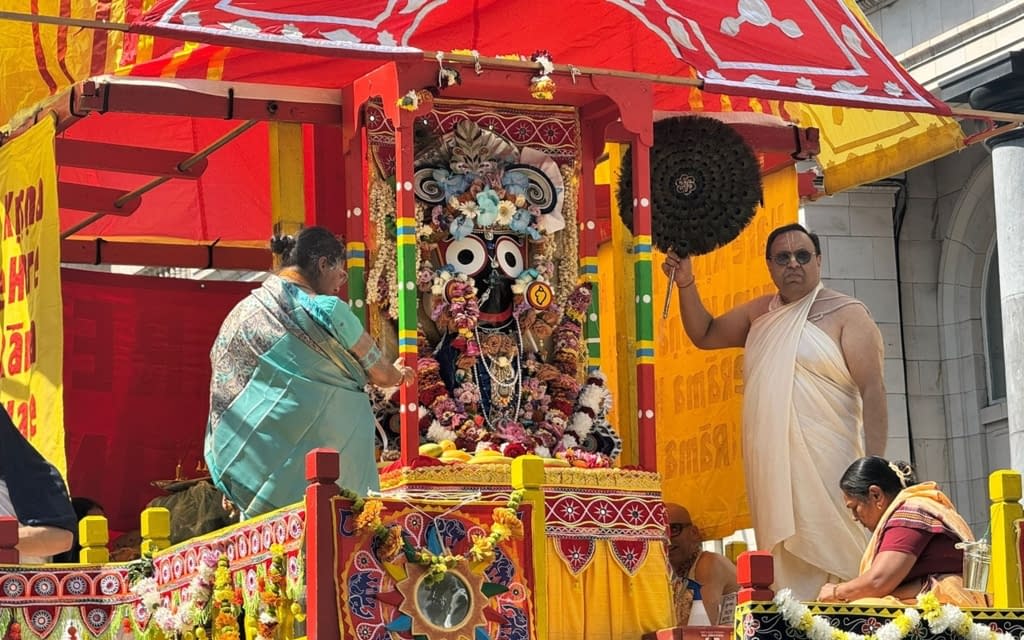
Lived experience deepens the argument. In silence before a murti, within the cadence of kirtan, or in the steadiness of breath awareness, imagination does not vanish so much as it is harmonized. It can evoke awe in a temple sanctum, compassion before suffering, or clarity in contemplative practice. These are not illusions opposed to truth; they are textures of meaning animated by consciousness and guided by dharma.
Dharmic practices cultivate this harmonization. Yoga speaks of chitta-vritti and their quieting; bhakti channels imagination into devotion and gratitude; Vedanta trains inquiry (vichara) to discern the Self from the non-Self; Buddhism employs mindfulness to observe arising and passing phenomena without fixation; Jain samayik nurtures equanimity; Sikh simran imbues remembrance of the One amid daily life. Each path refines imagination so it serves insight, ethics (dharma), and inner freedom rather than distraction.
The question “Who creates imagination?” thus transforms into a deeper recognition: imagination is a luminous capacity within consciousness, capable of either obscuring or revealing truth. Gods, as Ishta, orient that capacity toward the Real; the formless ground of awareness gives the capacity its very possibility. Responsibility follows: to cultivate discernment, ahimsa, and seva so imagination aligns with compassion and wisdom.
Within Hinduism, Buddhism, Jainism, and Sikhism, unity in spiritual diversity emerges not by erasing differences but by honoring a shared aspiration: the purification of mind, the realization of truth, and the flowering of ethical life. The paradox does not divide; it invites dialogue, practice, and humility. In that shared light, imagination becomes a bridge—linking symbol to silence, form to formlessness, and many paths to a common pursuit of consciousness and liberation.
Inspired by this post on Hindu Blog.