A recurring question arises in Krishna Consciousness and across devotional practice: if the Name of God can truly be spoken only through spiritual lips, what is occurring when communities chant togetherespecially the 16-word Hare Krishna maha-mantra? The query is both practical and profound, and it invites a careful exploration of mysticism, bhakti, and the lived experience of mantra meditation.
Achyutananda Das highlights a classical insight echoed by Bhaktivinode Thakur, who writes, “O Harer Nama [the Name of God], You enter my ear, my tongue and penetrate my heart and tears spring from my eyes, turning the dust at my feet to clay. Thus the impressions of my steps are left so that others will follow my way.” The statement reframes chanting as divine initiative: the Name does not merely wait to be voiced; the Name descends, moves, and sanctifies. In this understanding, the seeming paradox dissolveschanting is not a self-produced achievement but a cooperative act with grace.
Within the Bhakti Tradition and ISKCON (International Society For Krishna Consciousness), the Hare Krishna maha-mantraHare Krishna Hare Krishna Krishna Krishna Hare Hare Hare Rama Hare Rama Rama Rama Hare Hareis regarded as non-different from Krishna. Chanting, then, is not an attempt to reach a distant divinity; it is an invitation for the Name to reveal itself. The practice aligns with Bhagavad Gita themes of remembrance and devotion, where attention, humility, and steadiness foster receptivity to the sacred presence already at hand.
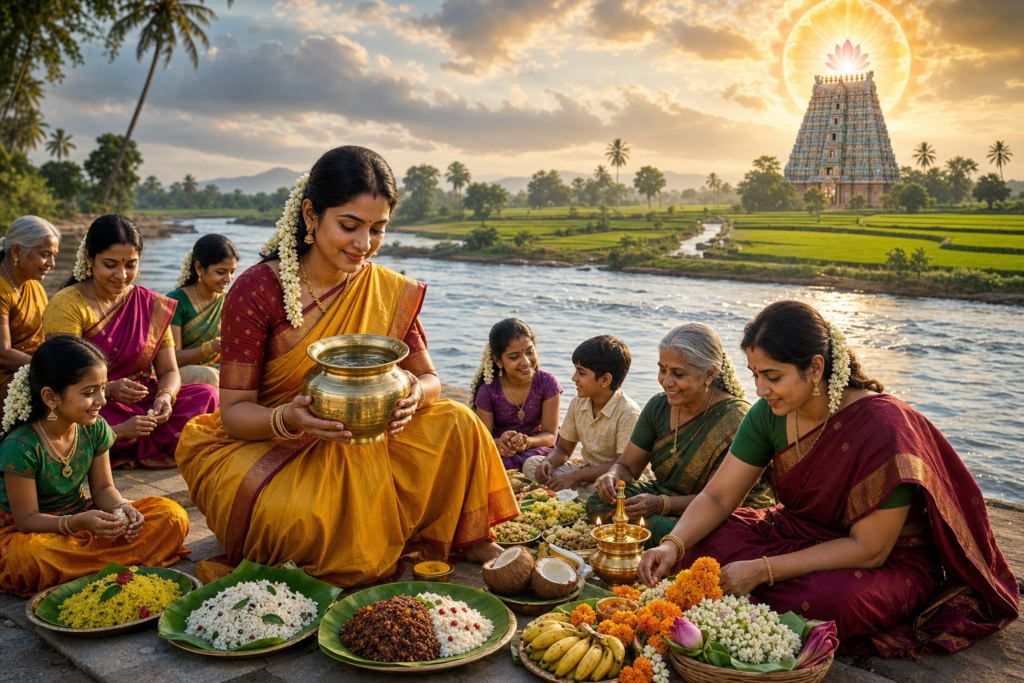
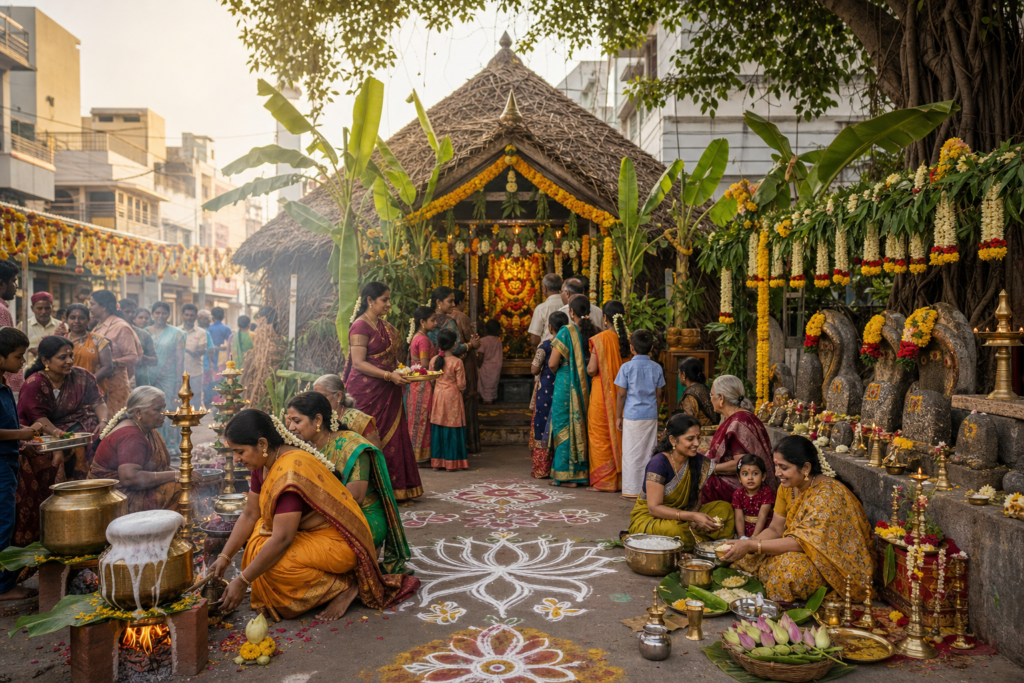
Congregational kirtan offers a uniquely potent environment in which this receptivity is cultivated. Shared rhythm regulates breath, communal intention refines attention, and the collective mood of devotion softens the heart. Many practitioners describe palpable responsestears, quiet joy, or a sense of inner clarityconsistent with Bhaktivinode Thakur’s imagery of softened earth and enduring footprints. In this sense, group chanting becomes a living laboratory for spiritual experience and ethical transformation.
Importantly, this dynamic is not exclusive to one lineage. Dharmic traditions affirm the transforming agency of the sacred sound: Sikh Naam Simran and recitation of Waheguru, the Jain Namokar Mantra, and Buddhist formulas such as Buddham saranam gacchami each witness to the same principlethat divine remembrance refines perception and conduct. While forms differ, the unifying thread remains the awakening of the heart through disciplined remembrance, compassion, and service (seva).
Why, then, chant if the Name surpasses ordinary utterance? Because chanting is the posture of availability. It steadies the senses, quiets distraction, and aligns intention so that the Name may act. In this view, sound becomes sacrament: the tongue moves, but the Name illumines; the ears hear, yet the heart comprehends. The practitioner’s role is to cultivate purity of intent, leaving the transformative work to the Name itself.
Practical guidance follows naturally from this theology. Approach mantra meditation with humility and attentiveness; listen as sincerely as speaking. Support chanting with ethical living (dharma), compassionate service, scriptural study, and satsanga (good company). Such alignment reduces inner resistancewhat Bhakti literature calls impedimentsand allows the Name’s grace to penetrate more deeply, day by day.
This perspective also advances unity among Hinduism, Buddhism, Jainism, and Sikhism. Each tradition preserves venerable pathways where sacred sound elevates consciousness and nurtures communal harmony. Emphasizing common principlesreverence for the Divine, ethical self-cultivation, and compassionate actionstrengthens mutual respect without erasing distinct identities. Diversity of methods, unified by devotion to truth, enriches the wider spiritual commons.
In conclusion, the mystery of the Name is not a barrier but a blessing. Chanting does not presume mastery over the Divine; it signifies consent to be transformed by the Divine. When communities chant togetherwhether Hare Krishna kirtan, Naam Simran, or the Namokar Mantrathe shared heartbeat of remembrance turns dust to clay, and clay to enduring footprints that others may follow toward wisdom, compassion, and unity.
Inspired by this post on Dandavats.