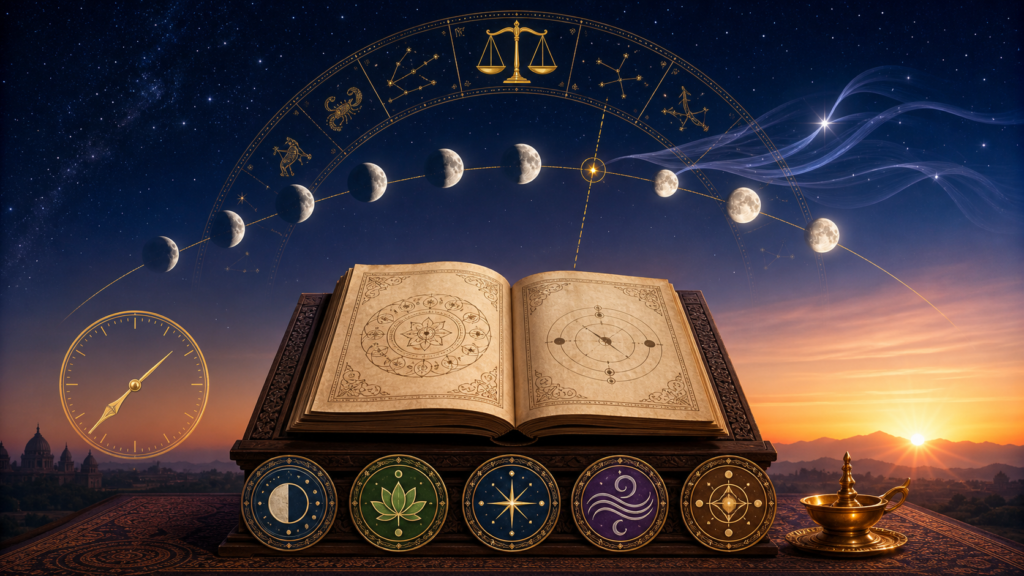
Hinduism, one of the world’s oldest spiritual traditions, is frequently mischaracterized as a system of ritual and mythology. A closer reading of its texts and lived practices reveals a very different core: a passionate pursuit of truth supported by disciplined, rational investigation. This intellectual and ethical orientation places Hinduism within a broader dharmic commitmentshared with Buddhism, Jainism, and Sikhismto seek satya through inquiry, reflection, and compassionate action.
Vedic and Upanishadic literature foregrounds questions rather than dogma. Dialogues such as those in the Upanishads turn learning into an exploration where reason, reflection, and direct experience converge. The spirit of inquiryWho am I? What is ultimate reality? How can knowledge be verified?is not peripheral; it is central to the philosophical method and spiritual life of the tradition.
The classical darshanas demonstrate this rational architecture. Nyaya refines logic and epistemology; Samkhya provides analytic clarity on consciousness and matter; Mimamsa advances rigorous hermeneutics; Vedanta examines the nature of Brahman, self, and world with sustained argument. Even dissenting schools such as Carvaka were engaged through debate, underscoring a culture that valued argumentation over mere assertion.
Epistemology (pramana) illustrates this discipline. Traditions assess knowledge through pratyaksha (perception), anumana (inference), upamana (comparison), arthapatti (postulation), anupalabdhi (non-cognition), and shabda (reliable testimony). These categories do not suppress spirituality; they structure it, ensuring that philosophical inquiry and spiritual realization remain accountable to reasoned standards of validity.
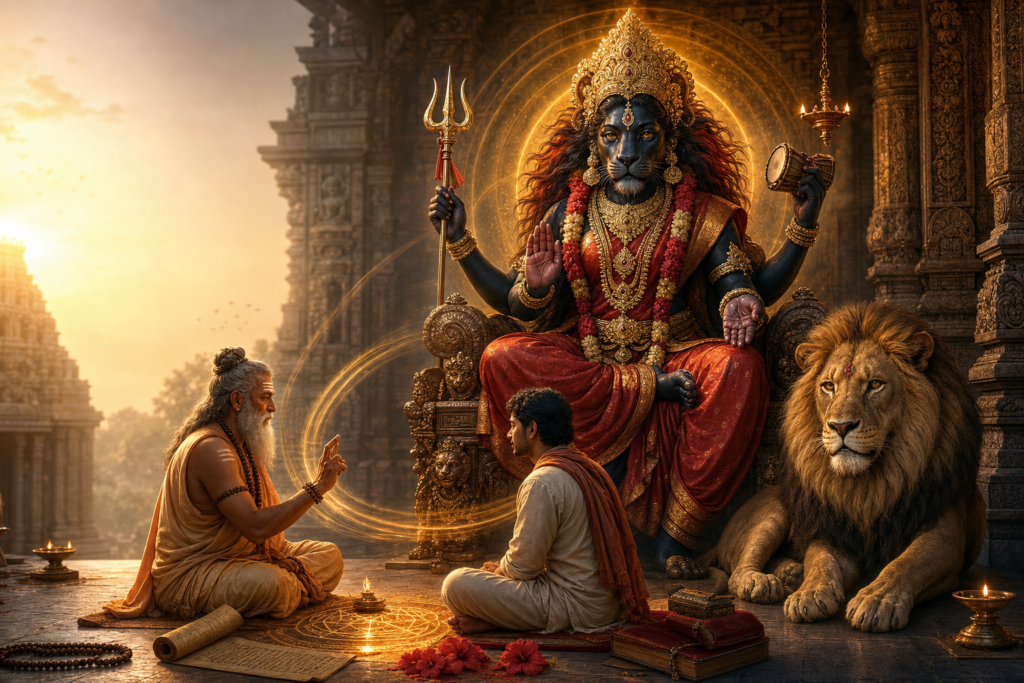
Historically, shastrarthaformal public debatemade intellectual humility and rigor social virtues. Monastic centers and royal courts hosted careful exchanges where participants were expected to define terms, present evidence, and draw sound inferences. The aim was not victory for its own sake but clearer proximity to truth, a value captured across Hindu teachings as satya.
Hindu practice integrates reason with experience. Yoga and meditation serve as methods of experiential verification, encouraging practitioners to test insights in lived reality. This harmonization of philosophical thought and disciplined practice shows that rational investigation in Hinduism is neither abstract nor anti-ritual; it is a pathway to clarity, ethical responsibility, and inner steadiness.
Dharmic unity strengthens this rational ethos. Buddhism affirms thoughtful discernmentfamously in the Kalama Suttaurging seekers to examine teachings against experience and well-being. Jainism contributes Anekantavada, a sophisticated philosophy of many-sided truth, encouraging humility and openness. Sikhism elevates vivek (discriminative wisdom) and sat (truth) within a devotionally rich, ethically grounded way of life. Together, these traditions demonstrate a shared civilizational commitment to inquiry, compassion, and responsibility.
Pluralism in Hinduism emerges as principled, not permissive. The acceptance of diverse pathsbhakti, jnana, karma, and dhyanarests on the idea that human natures and capacities vary, and that multiple approaches can validly lead toward realization. This unity in spiritual diversity encourages interfaith respect and dialogue, positioning reason and empathy as allies rather than adversaries.
In contemporary contexts, this heritage offers practical guidance. Educational spaces benefit when critical thinking is paired with ethical reflection; interfaith encounters deepen when participants bring both conviction and curiosity; personal practice matures when questioning is welcomed as a form of devotion. The result is a culture of respectful debate, intellectual honesty, and shared purpose.
Many seekers report that honest questioningwhether during study circles, satsang, or private contemplationenhances devotion rather than eroding it. Clarity often leads to compassion, and insight naturally invites service. In this way, the dharmic pursuit of truth nurtures both inner transformation and social harmony, reaffirming a wisdom tradition that is as rigorous as it is inclusive.
Inspired by this post on Hindu Blog.