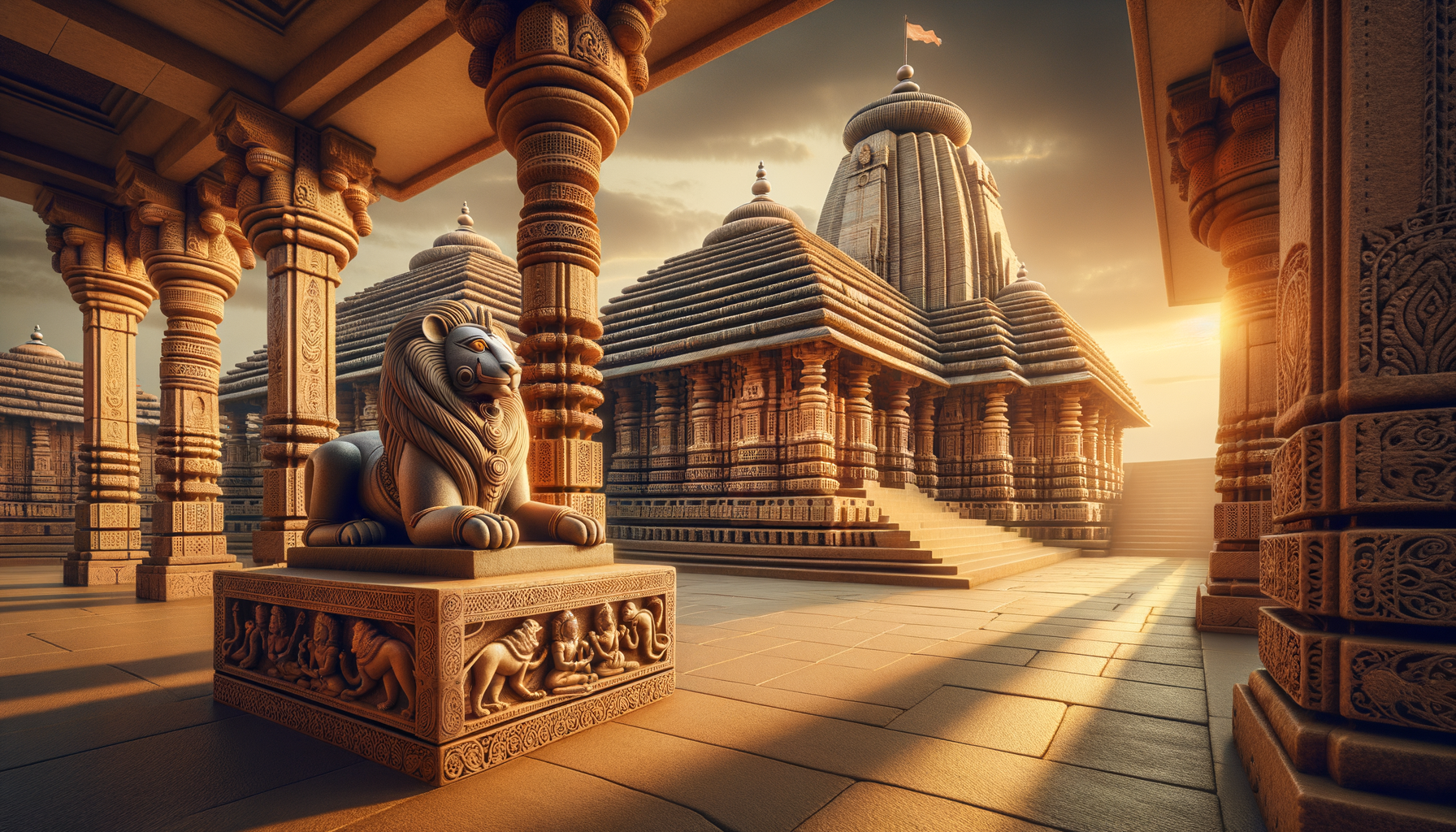
Singhanath Temple (also spelt Simhanath), located at Gopinathpur in the Baramba (Badamba) region of Cuttack district, Odisha, stands as a distinguished shrine to Shiva where Narasimha, the man-lion avatar of Vishnu, is depicted in devotion. This rare thematic convergence has long been celebrated for embodying the inclusive spirit of Odisha’s temple culture and for its contribution to a wider understanding of dharmic unity.
Architecturally, the temple presents a classic Kalinga profile with a rekha deula (curvilinear sanctum tower) complemented by a terraced-roof jagamohana (assembly hall). The structural composition, restrained yet dignified, aligns with the traditional phase of the Kalingan order, where volumetric clarity, proportional harmony, and precise stone masonry shape a serene ritual space. The exterior sculptural program integrates Saivaite and Vaishnava motifs, creating an intentional visual dialogue that welcomes multiple devotional lineages within one sacred precinct.
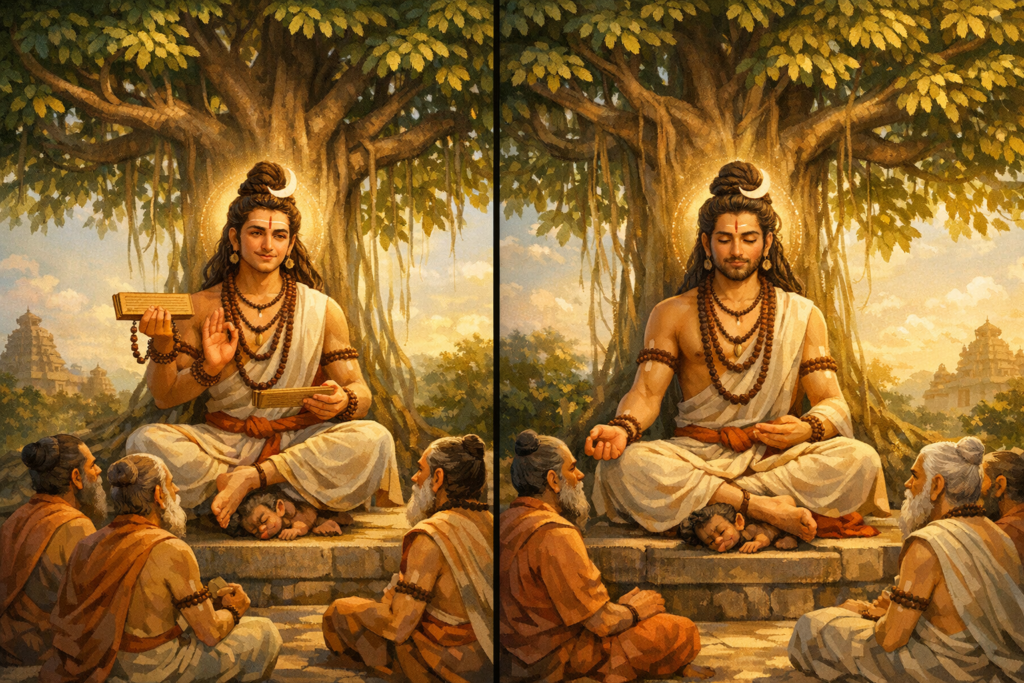
Iconographically, the depiction of Narasimha venerating Shiva offers a nuanced theological statement on reconciliation and mutual reverence. Rather than privileging one path, the temple’s imagery invites contemplation on the interdependence of traditions within the broader dharmic tapestry. This interpretive openness resonates with values cherished across Hinduism, Buddhism, Jainism, and Sikhism—plurality, ethical living, compassion, and respect for diverse spiritual trajectories.
Visitors frequently note a contemplative atmosphere that encourages unhurried observation—stone reliefs catching shifting light, devotional sounds rising and receding, and the measured rhythm of ritual. Many describe a sense of quiet cohesion: the site’s Shaiva–Vaishnava synthesis feels less like a compromise and more like a confident, centuries-old affirmation that shared devotion can thrive in multiplicity.
Within Odisha’s wider architectural landscape, Singhanath Temple exemplifies the region’s mastery of Kalinga architecture—where the rekha deula’s vertical eloquence meets the jagamohana’s terraced massing. For students of temple art and for cultural travelers, the shrine provides an accessible study in how material form, spatial choreography, and iconography can frame philosophical inclusivity without diluting doctrinal depth.
Practical visits are enriched by arriving during the early morning or late afternoon, when the sculptural details are accentuated by soft light. Observing customary etiquette—removing footwear, maintaining a modest dress code, and moving respectfully through ritual zones—supports the living tradition and the temple’s devotional rhythm. During major festivals such as Mahashivaratri, the site draws devotees from across Odisha, offering further insight into communal worship and cultural continuity.
As with many heritage temples, mindful engagement helps sustain the monument. Simple choices—avoiding litter, refraining from touching carvings, and supporting local knowledge-bearers—contribute to conservation while deepening understanding. The visit thus becomes more than sightseeing; it is a participatory act in safeguarding a shared legacy of architectural excellence and spiritual pluralism.
Singhanath Temple ultimately invites reflection on unity within diversity. Its Kalinga architectural vocabulary, Shaiva–Vaishnava iconography, and inclusive devotional ethos together affirm a dharmic vision where different paths converge in reverence, learning, and peace—an enduring message with contemporary relevance.
Inspired by this post on Hindu Pad.