Chaturtha Visarga Shradh (also known as Caturtha Visarga) is a distinct Shradh rite in the broader Hindu ritual system performed to honor and remember one’s ancestors. The expression literally signifies “the fourth omission,” indicating that ritual offerings are intentionally directed to three generations of deceased forebears while the fourth generation and beyond are respectfully omitted. In practice, this means the offerings focus on the immediate lineagecommonly understood as father, grandfather, and great-grandfather on a given lineagethus maintaining clarity and discipline within the prescribed ritual framework.
Within the Dharmashastra tradition, the conceptual distinction between sapinda ancestors (the proximate three generations) and samanodaka ancestors (more remote generations) underpins this observance. Chaturtha Visarga Shradh aligns with that delineation by concentrating worship and offerings on the sapinda circle. By “omitting the fourth,” practitioners preserve ritual precision, ensure devotional focus, and uphold an ancestral remembrance that is both reverent and textually grounded.
This Shradh is commonly performed during Pitru Paksha, on individual death anniversaries (tithi-based Shraddha), or as advised by family tradition. While household customs vary across regions and sampradayas, the core intent remains consistent: to express gratitude, uphold family dharma, and strengthen intergenerational continuity. Across dharmic traditionsHinduism, Buddhism, Jainism, and Sikhismcommunities share the value of remembering elders through reflection, service, and ethical living, reinforcing a unifying ethos of reverence for ancestry and responsibility toward future generations.
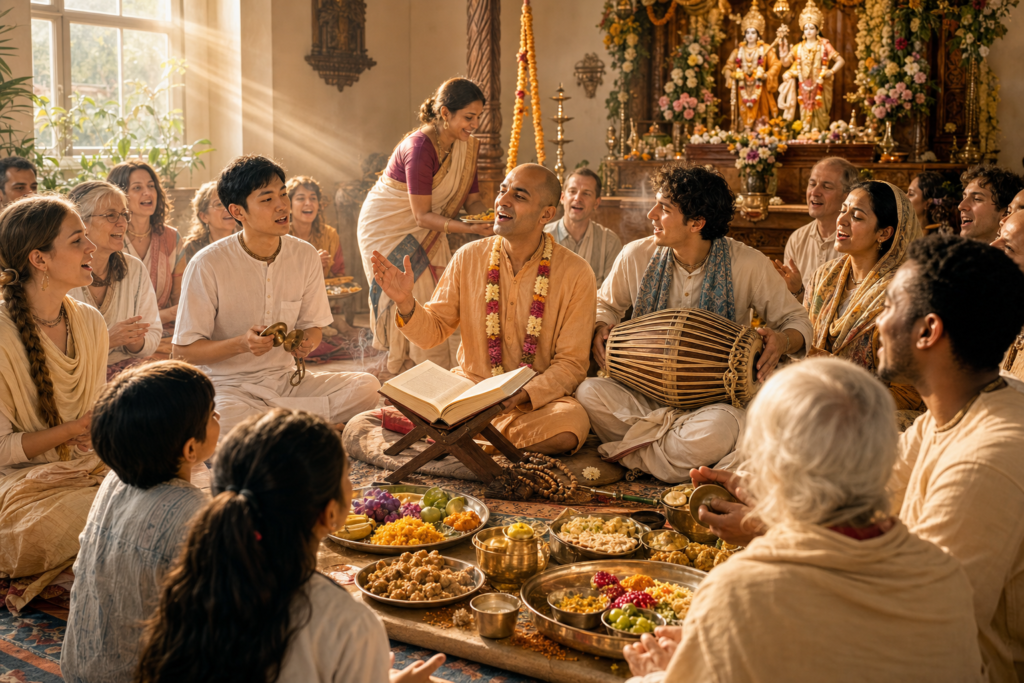
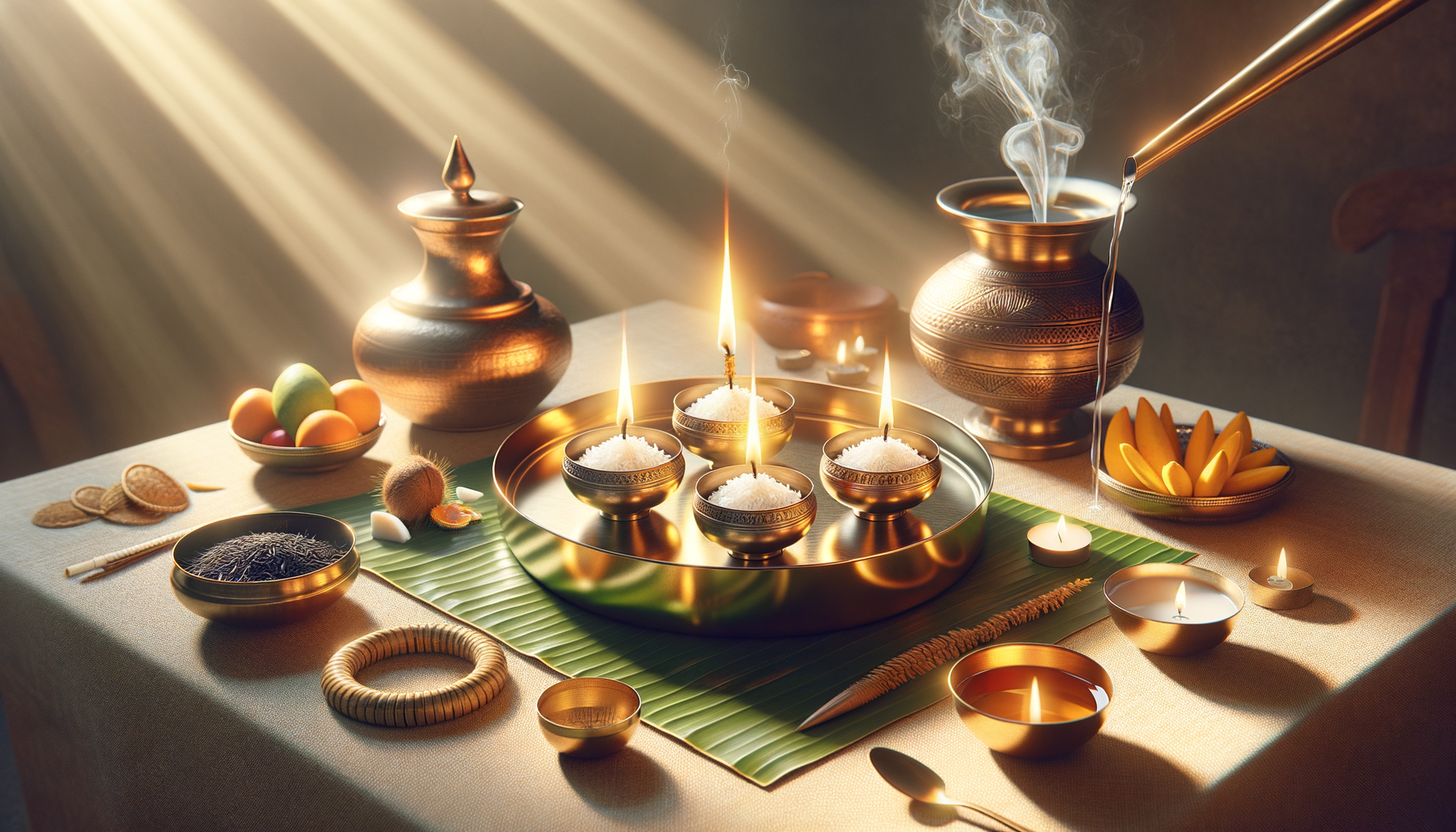
In many households, the rite begins with sankalpa (a clear intention), followed by purification and prayers. Tarpan with water and til is offered, and pind daan is dedicated specifically to the three generations being honored, with the “fourth” purposefully not invoked. Sattvic food is prepared and shared as an act of seva, and the merit is often extended by feeding guests or offering portions in ways sanctioned by local custom. The emphasis throughout is on sincerity, simplicity, and adherence to one’s familial and regional parampara, while avoiding unnecessary elaboration that may blur the ritual’s specific focus.
Participants often describe a quiet sense of continuity during Chaturtha Visarga Shradh: a feeling that personal life is held within a larger family story and that duty to ancestors nourishes duty to society. Families frequently note how the rite invites reflection, humility, and resolvevalues that benefit both daily conduct and long-term harmony. This experience resonates powerfully in the diaspora as well, where the ritual becomes a bridge between places, generations, and identities.
From an ethical and spiritual standpoint, the “fourth omission” serves a constructive function: it streamlines practice, clarifies intent, and prevents ritual diffusion. Concentrating offerings on three generations helps practitioners honor Shradh obligations faithfully while keeping the ceremony accessible and meaningful. By aligning with Dharmashastras and living traditions, Chaturtha Visarga Shradh supports ancestral remembrance, strengthens family bonds, and sustains cultural continuitykey benefits that many identify as the heart of Hindu rituals throughout Pitru Paksha and beyond.
Because Shradh procedures vary by lineage and locality, guidance from knowledgeable elders, priests, or trusted community leaders helps ensure fidelity to one’s tradition. The core principle remains universal: gratitude offered with integrity carries spiritual merit. When approached in this spirit, Chaturtha Visarga Shradh honors the immediate forebears with care, reinforces unity across dharmic communities that also cherish ancestral remembrance, and inspires compassionate action in the present.
Inspired by this post on Hindu Blog.