Magh monthalso known as Magha Masam or Magh Mahinaoccupies a significant place as the 11th month in the traditional Hindu calendar. In 2026, the timing of this month varies by regional calendrical practice: in the North Indian (Purnimanta) Hindi calendar, Magh runs from 3 January to 1 February; in the Marathi, Gujarati, Telugu, and Kannada (Amanta) systems, it extends from 19 January to 17 February. Understanding these parallel reckonings helps households and communities plan worship, fasting, temple visits, and charitable activities with clarity.
The difference in dates arises from two respected systems of month-reckoning. The Purnimanta tradition, followed widely in North India, counts months from one full moon to the next, while the Amanta tradition, common in western and southern regions, counts from one new moon to the next. Both are authoritative within their respective traditions and reflect the diversity of Hindu calendar practice across regions.
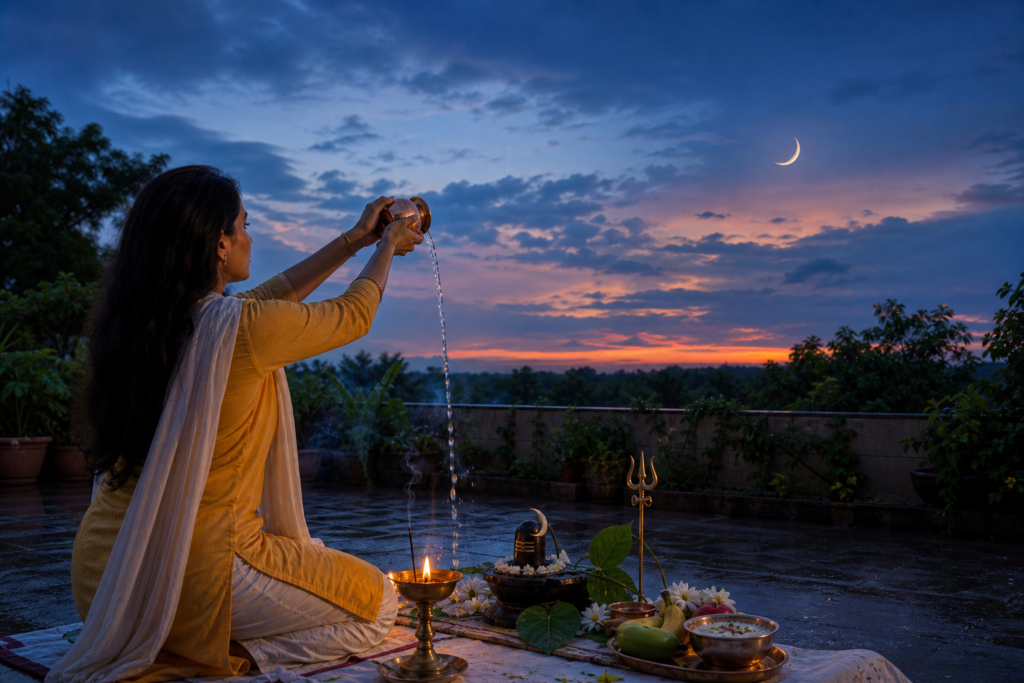
Magh is culturally and spiritually associated with vrata (observances), early morning sacred bathing (Magh Snan), charity (dāna), and temple darshan. Within this month, devotees often mark Magh Amavasya and Maghi Purnima with devotional practices, scriptural reading, and community service. Many families find that aligning personal observances with local panchang guidancewhile keeping the overall Magh window in viewensures both accuracy and ease of participation.
Seasonally, Magh aligns with the spirit of Uttarayana and often follows the transition marked by Makara Sankranti. The month is traditionally regarded as conducive to inner purification, steady sadhana, and mindful living. These practices naturally encourage social harmony through acts of seva, collective worship, and intergenerational participation in rituals and study.
The ethos of Magh resonates across dharmic traditions. In Sikh communities, Maghiobserved around this timecommemorates the steadfastness of the forty Mukte and inspires seva and remembrance. In many Buddhist communities, the full moon of Magha (Magha Puja) honors the Sangha and the teachings. In Jain traditions, seasonal vrata, dāna, and tirtha-yatra reflect the same values of discipline and compassion. These convergences underscore a shared commitment to truth, non-violence, and service, strengthening unity among Hindu, Buddhist, Jain, and Sikh communities.
For practical planning in 2026, those following the North Indian (Purnimanta) Hindu calendar may schedule Magh observances from 3 January to 1 February. Those following the Marathi, Gujarati, Telugu, and Kannada (Amanta) calendars may do so from 19 January to 17 February. Local panchang detailssuch as sunrise, muhurta, tithi transitions, and regional customsremain the best guide for specific rituals associated with Magh Snan, Magh Amavasya, and Maghi Purnima.
Viewed holistically, Magh Month 2026 offers an opportunity to deepen spiritual practice, nurture community bonds, and celebrate the shared values that connect diverse dharmic traditions. By recognizing the parallel calendars and honoring local customs, devotees uphold both accuracy and inclusivity in observance.
Inspired by this post on Hindu Pad.