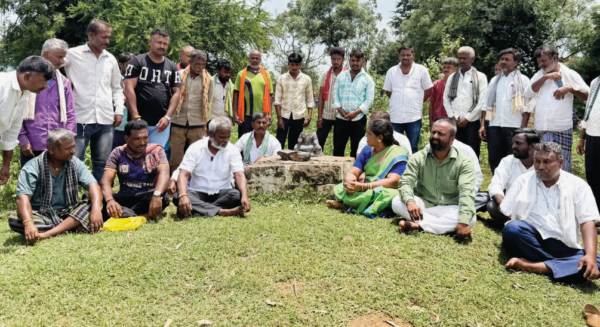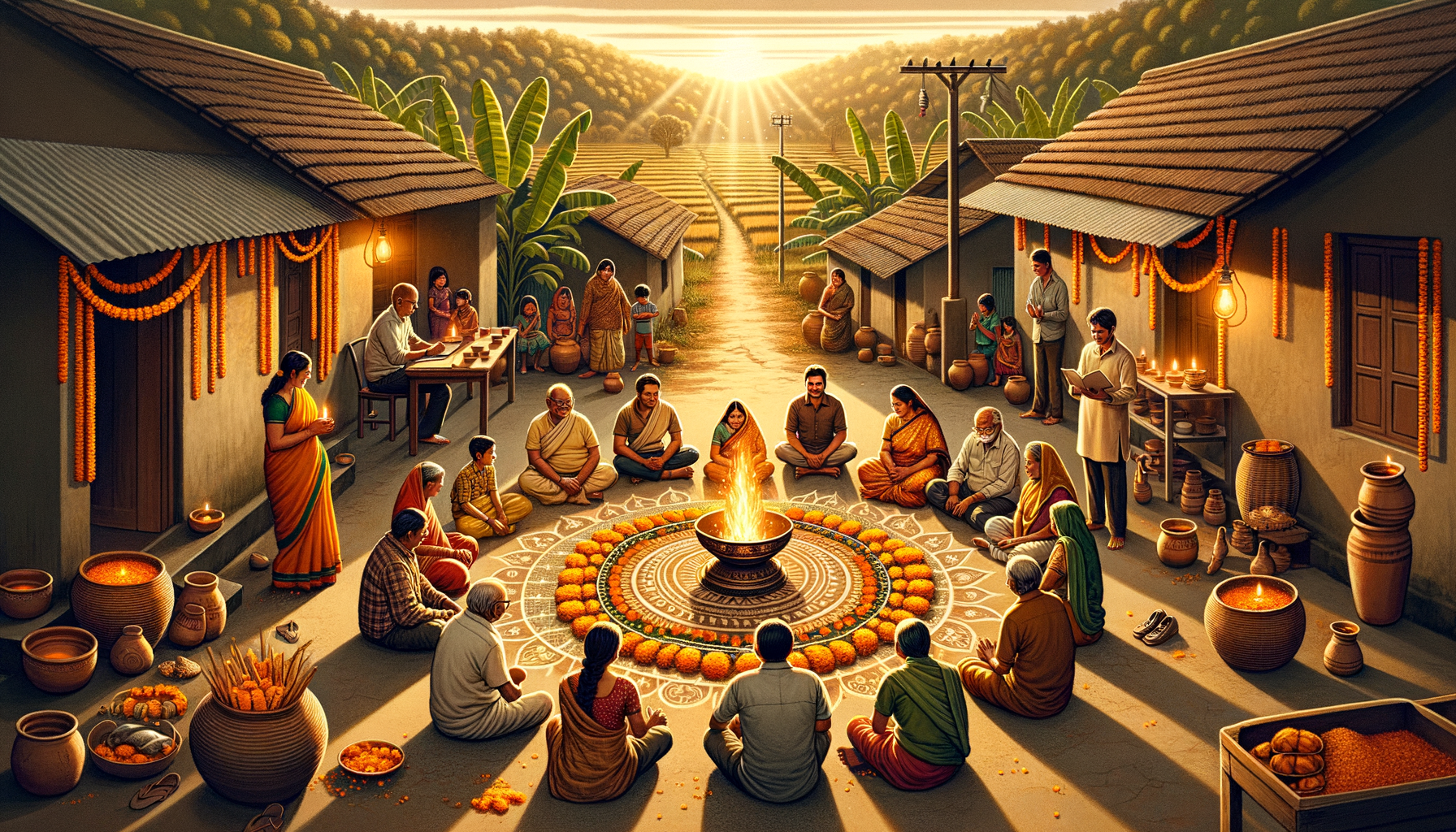
Reports from Kanker district in Chhattisgarh and Purnea in Bihar indicate a measured rise in Gharwapsi homecomings, with ten families in the Amabeda and Piprod areas of Kanker returning to the Hindu fold on or around Dec 28. Local accounts describe the developments as community-led and family-centered, reflecting a desire to reconnect with ancestral customs and shared cultural practices.
Within these gatherings, some families observed rites such as Shuddhi Yajna, a customary ceremony used by certain communities to mark a return to inherited traditions. Participants and community elders consistently frame these choices as voluntary, rooted in belonging, continuity, and the reaffirmation of values transmitted across generations.
In a plural society, such transitions are best understood through the shared ethical foundations of the broader dharmic familyHinduism, Buddhism, Jainism, and Sikhismwhich emphasizes ahimsa, seva, and respect for multiple paths. Community voices in Kanker and Purnea highlight that Gharwapsi is not a statement against other faiths but an affirmation of personal conviction, undertaken with a commitment to social harmony and mutual dignity.
Socially, families often cite motivations such as cultural participation, festival observances, proximity to familiar rituals, and intergenerational cohesion. Civil society facilitators and local stakeholders stress non-coercion, lawful procedures, and peaceful conduct, underscoring India’s constitutional protections for freedom of conscience and religion.
To sustain community harmony, interlocutors across traditions advocate dialogue, transparent processes, and sensitivity toward neighbors of all faiths. This approach aligns with the dharmic ideal of unity in diversity, where each individual’s spiritual journeywhether in Hinduism, Buddhism, Jainism, or Sikhismis afforded respect, protection, and goodwill.
Set against the regional contexts of Kanker (Amabeda, Piprod) and Purnea, these Gharwapsi homecomings reflect a localized pattern of cultural renewal in Central and Eastern India. The long-term health of the social fabric, however, depends on ensuring that such homecomings are guided by empathy, legality, and interfaith cooperation, thereby strengthening a shared commitment to community cohesion and dharmic harmony.
Inspired by this post on Struggle for Hindu Existence.