
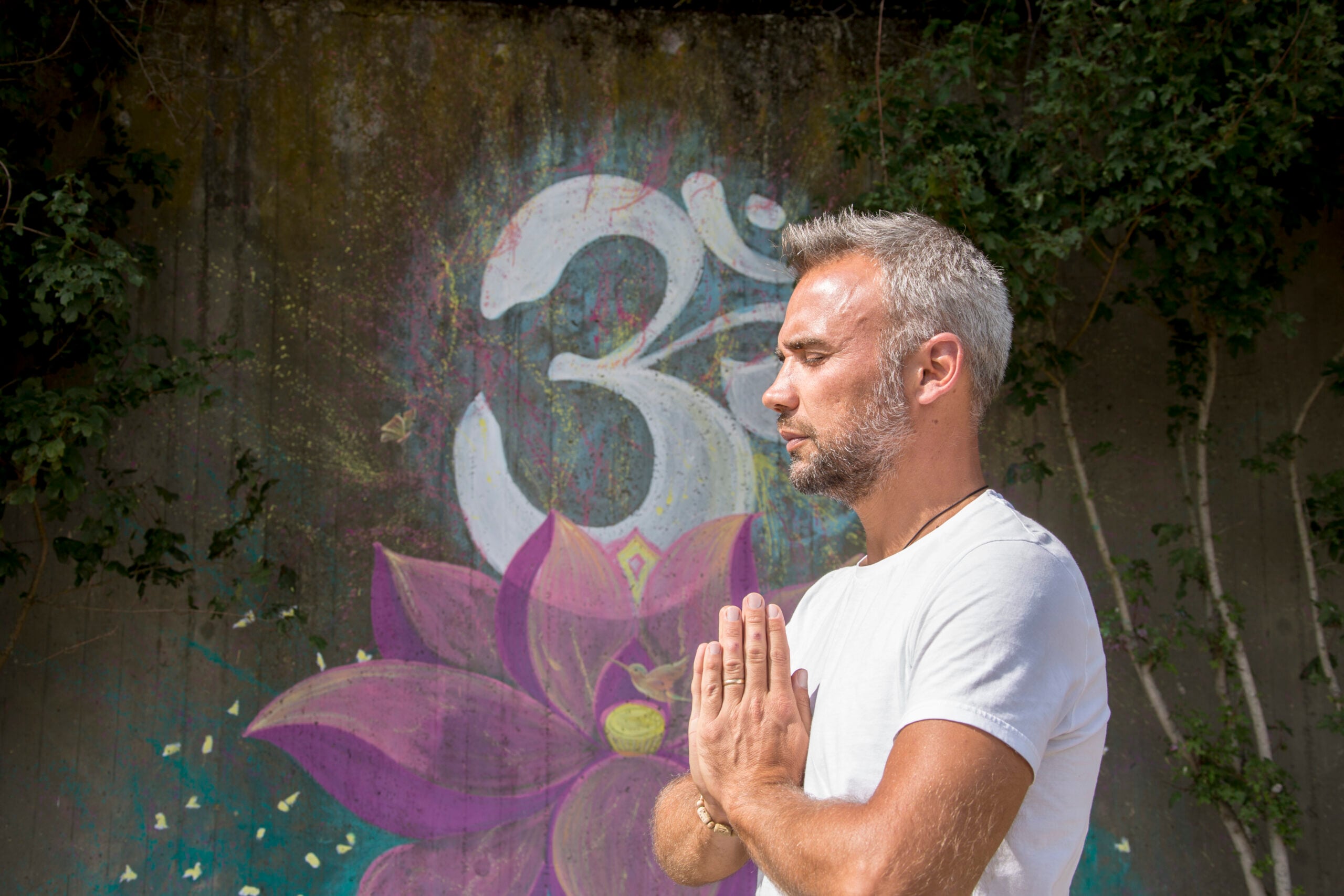
Atma Kriya Yoga occupies a distinctive place within contemporary yoga practice because it presents yoga not merely as physical discipline, relaxation, or mental training, but as a complete spiritual method rooted in bhakti, kriya-yoga, mantra, pranayama, meditation, mudras, asanas, and inner transformation. The term Atma Kriya Yoga may be understood as “action with awareness of the soul,” and this meaning is central to its identity. It directs attention away from yoga as an external performance and toward yoga as a disciplined process of remembering the soul, refining consciousness, and orienting ordinary life toward the Divine.
The uniqueness of Atma Kriya Yoga lies in its synthesis. It is not presented as a single meditation technique, a breathing exercise, or a philosophical idea alone. It is a structured path in which the body, breath, mind, emotion, sound, and intention are brought into alignment. In that sense, it belongs to the wider family of Hindu yoga traditions while also speaking to universal concerns found across Dharmic paths: the search for inner peace, self-discipline, compassion, humility, service, and liberation from ignorance.
The Bhagavad Gita offers a concise spiritual framework for this vision: One who is joyful within, whose pleasure is within, and is illumined within, is a true yogī. He is liberated within the Supreme, and he attains the Supreme. This verse, Chapter 5, verse 24, places the center of yoga inside the human being. Joy, illumination, and liberation are not treated as external acquisitions, but as realities discovered through disciplined inwardness. Atma Kriya Yoga uses this inward movement as its foundation.
In academic terms, the practice can be described as devotional kriya-yoga. It seeks to combine the technical precision of yogic method with the emotional and theological depth of bhakti. This is important because many modern discussions of yoga separate practice from devotion, body from spirit, and meditation from the cultivation of love. Atma Kriya Yoga resists that separation. Its core claim is that technical practice becomes spiritually transformative when it is performed with love, reverence, awareness, and surrender to the Divine.
Bhakti is therefore not an ornament added to the system; it is the animating principle. In Hindu spiritual thought, bhakti is not sentimentalism. It is disciplined love, a mature devotional orientation that gradually transforms the ego’s habits of possession, fear, comparison, and restlessness. Through bhakti, the practitioner does not merely seek calmness; the practitioner seeks relationship with the Divine. Atma Kriya Yoga presents this relationship as personal, experiential, and cultivated through repeated practice.
This devotional dimension gives the practice a particular emotional texture. A person approaching yoga during stress, grief, loneliness, or spiritual confusion often discovers that technique alone may calm the nervous system but may not fully satisfy the heart. Atma Kriya Yoga addresses that deeper hunger by giving spiritual feeling a disciplined form. Breath becomes prayerful. Mantra becomes remembrance. Meditation becomes encounter. The body is treated not as an obstacle, but as a temple through which awareness can be refined.
The word kriya points to action, method, and inner process. Kriya-yoga traditions have long emphasized the transformation of energy and consciousness through disciplined practice. In the traditional account associated with Atma Kriya Yoga, Mahavatar Babaji is honored as a foundational figure in kriya-yoga, and Paramahamsa Sri Swami Vishwananda is identified as the kriya master who brought Atma Kriya Yoga to a broader global audience. These claims belong to the devotional and lineage-based understanding of the practice, where transmission, grace, and disciplined instruction are considered essential.
Lineage matters in this context because Atma Kriya Yoga is not presented as an improvised wellness method. It is taught as a living spiritual discipline transmitted through a teacher-student framework. In many Dharmic traditions, including Hinduism, Buddhism, Jainism, and Sikhism in their own distinct ways, living guidance is valued because spiritual practice involves both technique and transformation. A method may be learned intellectually, but its deeper meaning becomes clearer through disciplined practice, ethical refinement, and guidance from those rooted in the path.
One of the most significant claims made for Atma Kriya Yoga is that it works from the inside outward. Externally, the practitioner may appear to be sitting, breathing, chanting, or practicing postures. Internally, the tradition describes a more subtle process: purification of emotion, stabilization of attention, refinement of pranic energy, and gradual reduction of karmic tendencies. Whether expressed in theological, psychological, or yogic language, the central idea is that sincere practice changes the quality of inner life.
This inward focus is especially relevant in the modern world. Many people live under continuous mental stimulation, fragmented attention, emotional fatigue, and a subtle sense of spiritual homelessness. Atma Kriya Yoga addresses these conditions by making awareness deliberate. The practice asks the practitioner to stop treating breath as automatic, sound as casual, posture as merely physical, and action as merely functional. Every element becomes a means of returning to the soul.
The technical structure of Atma Kriya Yoga includes a set of fifteen techniques. These are commonly described as including mantra, meditation techniques, sound yoga, group chanting, pranayama, asanas, mudras, a main kriya practice, protective practice, and Shaktipat Initiation. The number is important because it suggests completeness without excess. The system is not built on the accumulation of endless methods, but on deepening the quality of a defined set of practices.
This emphasis on quality over quantity is one of the practice’s most practical features. In many spiritual disciplines, the ego can quietly convert practice into achievement. More repetitions, longer sessions, more complex techniques, and visible signs of progress may become forms of spiritual comparison. Atma Kriya Yoga places emphasis on sincerity, love, and inner awareness. A small action performed with devotion may carry more transformative significance than a large action performed mechanically.
Mantra occupies a central role in this system. In the Dharmic world, mantra is not merely a phrase repeated for relaxation. It is sound charged with meaning, intention, and spiritual power. Through mantra, the mind is given a sacred point of return. Repetition gradually interrupts the mind’s habitual wandering and directs it toward remembrance of the Divine. In devotional practice, mantra also becomes a bridge between thought and love, between attention and surrender.
Pranayama, or yogic breathing, adds another technical layer. Breath is both physiological and subtle. It influences the nervous system, emotional regulation, concentration, and the movement of prana, or vital energy. Atma Kriya Yoga treats breath as a sacred instrument. Breathing is not reduced to stress management, even though it may support calmness and clarity. It becomes a way of receiving life consciously and aligning the practitioner with a deeper spiritual rhythm.
Mudras, the symbolic and energetic gestures used in yoga, contribute to the practice by engaging the body’s subtle intelligence. Traditional yogic anatomy speaks of energy channels, chakras, elements, and pranic flows. While modern academic study may approach these categories differently from traditional practitioners, their practical function is clear: mudras train the practitioner to experience the body not as inert matter but as a field of awareness, intention, and refinement.
Asanas in Atma Kriya Yoga are similarly interpreted through a devotional lens. They are not primarily athletic demonstrations. They support meditation, strengthen vitality, and remind the practitioner that the body can become an instrument of worship. This approach is consistent with older yogic attitudes in which the body is neither rejected nor idolized. It is disciplined, respected, purified, and used in the service of higher realization.
Sound yoga and chanting add a communal and vibrational dimension. Sound has always held a profound place in Hindu spiritual practice, from Vedic recitation to nama-japa, kirtan, and temple liturgy. Atma Kriya Yoga’s use of sacred sound reflects the understanding that consciousness can be shaped by what it repeatedly hears, speaks, and remembers. In a world saturated with noise, sacred sound offers a disciplined alternative: sound used for purification rather than distraction.
OM Chanting, as associated with the wider Atma Kriya Yoga environment, is especially significant because it moves beyond private practice into collective spiritual service. Group chanting places individual practice within a shared field of intention. This has social value as well as spiritual value. It encourages humility, cooperation, and the recognition that inner transformation is not isolated from the well-being of others. A practitioner becomes not only a seeker of personal peace but also a contributor to collective harmony.
The practice’s devotional character is often described through the nine forms of bhakti. These forms, known in Vaishnava devotional literature, include different modes of relating to the Divine through listening, chanting, remembering, serving, worshipping, surrendering, and loving devotion. Atma Kriya Yoga’s techniques are said to cultivate these devotional attitudes. This is one reason the system is considered unique: it does not treat bhakti as a vague feeling, but as something embodied through specific practices.
Shaktipat Initiation is another defining element. Within the tradition, Shaktipat is understood as the descent or transmission of spiritual energy through grace. This is not merely ceremonial; it is considered part of the living power of the practice. A careful academic treatment should note that such claims belong to the internal worldview of the tradition. For practitioners, however, this initiation is often understood as the moment when the practice becomes spiritually activated and personally anchored.
The language of grace is central here. Atma Kriya Yoga does not present spiritual progress as the result of human effort alone. Effort is necessary, but grace is also considered indispensable. This balance is deeply rooted in Hindu devotional thought. Human discipline prepares the field; grace brings life to the seed. The practitioner acts, but does not claim total ownership of the transformation. Such an outlook can soften pride and deepen humility.
At the same time, Atma Kriya Yoga should not be misunderstood as passive dependence on grace. Its very name emphasizes action. The practitioner must sit, breathe, chant, remember, observe, and return again and again to the practice. The synthesis is subtle: action is performed with awareness of the soul, but the fruits of action are held in devotion. This recalls the broader teaching of the Bhagavad Gita, where disciplined action, knowledge, devotion, and surrender are integrated rather than opposed.
The goal of Atma Kriya Yoga is described not only as Self-realization but as God-realisation. This distinction is important. In some spiritual systems, the highest aim is framed as realization of the Self, pure awareness, emptiness, liberation from suffering, or freedom from bondage. Atma Kriya Yoga, while valuing Self-realization, places the personal relationship with the Divine at the center. The soul is not merely to be known abstractly; it is to be brought into loving union with the Supreme.
This devotional theism does not need to be framed in opposition to other Dharmic paths. Hinduism, Buddhism, Jainism, and Sikhism each preserve profound disciplines of ethical purification, meditative refinement, self-mastery, compassion, and liberation. Their metaphysical languages differ, and those differences deserve respect. Yet the shared civilizational emphasis on inner transformation allows Atma Kriya Yoga to be understood as one stream within the wider Dharmic search for truth, discipline, and freedom from ego-centered living.
Such a unifying approach is necessary because modern spiritual discourse can easily become competitive. Traditions may be reduced to slogans, lineages may be marketed as superior, and seekers may be encouraged to compare paths rather than deepen practice. A more responsible view recognizes that Atma Kriya Yoga has its own theological and technical integrity while still honoring the broader Dharmic family of practices that cultivate non-violence, self-control, wisdom, devotion, and service.
From a psychological perspective, the practice may be understood as a system for training attention, emotion, embodiment, and meaning. Mantra stabilizes thought. Breath regulates energy and the nervous system. Meditation deepens awareness. Mudras and asanas integrate the body. Devotion gives emotional life a sacred orientation. Group practice strengthens belonging and service. The combined result is a holistic discipline rather than a fragmented wellness routine.
From a philosophical perspective, Atma Kriya Yoga challenges the assumption that happiness can be secured through temporary objects. The source text emphasizes that worldly experience is constantly changing, and therefore cannot provide permanent fulfillment. This does not require rejection of the world. Rather, it asks for proper orientation. Family, work, community, beauty, and responsibility may all remain meaningful, but they are no longer burdened with the impossible task of providing absolute satisfaction.
This is where the practice becomes deeply relatable. Many people discover, often after years of striving, that achievement does not automatically produce inner rest. Recognition fades, possessions become ordinary, relationships require ongoing maturity, and the mind continues searching. Atma Kriya Yoga responds by directing the search inward and upward. It asks the practitioner to rediscover the heart as a place of Divine presence rather than merely emotional reaction.
The claim that Atma Kriya Yoga can help burn karma should be understood within the traditional Hindu framework of karma as the subtle consequence of action, intention, and impression. In yogic practice, karmic patterns are not only external circumstances; they also appear as tendencies, fears, attachments, compulsions, and repeated emotional reactions. Through disciplined practice, the practitioner gradually becomes less governed by these patterns and more capable of conscious, dharmic action.
This transformation is not merely private. A calmer, more self-aware, more compassionate person changes the atmosphere of family and community life. Atma Kriya Yoga’s emphasis on service and Divine Love therefore has ethical implications. Spiritual practice is incomplete if it produces indifference, superiority, or withdrawal from responsibility. Its mature fruit should be humility, steadiness, kindness, and a greater capacity to act without being dominated by anger, fear, or selfishness.
The practice also carries a disciplined understanding of freedom. Modern culture often imagines freedom as unlimited choice. Dharmic traditions frequently understand freedom as mastery over compulsion. Atma Kriya Yoga fits the second model. By regulating breath, attention, sound, posture, and intention, the practitioner slowly becomes less enslaved to mental restlessness. The freedom being cultivated is interior: freedom to remember, to love, to serve, and to remain centered amid change.
Another distinctive feature is the insistence that spirituality should be lived in daily action. The phrase “action with awareness of the soul” implies that practice does not end when formal meditation ends. Eating, speaking, working, caring for others, and responding to difficulty can all become fields of awareness. This is particularly close to the spirit of Karma Yoga, where action becomes purified when it is performed with the right intention and offered beyond egoic self-importance.
For householders, this point is especially valuable. Not everyone can retreat from worldly obligations, nor is such retreat necessary for all. Atma Kriya Yoga’s practical relevance lies in offering a structured method that can be integrated into ordinary life. The practitioner does not need to reject family, profession, or society. Instead, daily life becomes the setting in which awareness, devotion, patience, and self-discipline are tested and strengthened.
The system’s uniqueness also appears in its view of the human being. The person is not treated as merely a body, a mind, a consumer, or a psychological profile. The person is understood as a soul capable of Divine relationship. This anthropology has consequences. It gives dignity to spiritual longing, meaning to discipline, and depth to love. It also provides a counterweight to modern reductionism, which often interprets human life only through productivity, identity, or material success.
Atma Kriya Yoga’s language of unconditional Divine Love should be read carefully. In devotional theology, Divine Love is not indulgence or emotional comfort alone. It is transformative. It purifies what is false, exposes attachment, softens ego, and calls the practitioner toward a higher life. The “love” cultivated here is therefore not only a pleasant feeling; it is a force of reorientation. It changes what the practitioner values, remembers, and serves.
In this sense, the practice can be described as both technical and relational. The techniques provide structure, repeatability, and discipline. The relational dimension gives them warmth, meaning, and direction. Without technique, devotion may remain unstable. Without devotion, technique may become dry or self-centered. Atma Kriya Yoga’s distinctiveness lies in the attempt to hold these two dimensions together.
It is also important to distinguish spiritual claims from commercial or promotional language. The enduring value of Atma Kriya Yoga does not rest on slogans, urgency, or institutional invitation. It rests on the coherence of its practice: remembrance of the soul, devotion to the Divine, disciplined use of breath and mantra, purification of inner tendencies, and service to humanity. These are the elements that deserve serious attention.
Within the wider study of Yoga in Hinduism, Atma Kriya Yoga illustrates how ancient categories continue to be reformulated for contemporary seekers. It draws from kriya-yoga, bhakti, mantra-shastra, yogic anatomy, and devotional community. At the same time, it speaks to modern conditions of anxiety, alienation, spiritual seeking, and emotional exhaustion. Its relevance comes from this meeting of inherited wisdom and present need.
The practice’s power, according to its own tradition, is not measured by outer display. It is measured by inner change: greater steadiness, deeper devotion, clearer awareness, more compassionate conduct, and a growing sense of Divine presence in daily life. This makes Atma Kriya Yoga distinct from approaches that focus primarily on flexibility, performance, or general mindfulness. Its aim is explicitly spiritual and devotional.
Atma Kriya Yoga is therefore best understood as a complete path of devotional inner discipline. Its uniqueness rests on the integration of bhakti and kriya, the use of fifteen focused techniques, the centrality of mantra and pranayama, the role of Shaktipat Initiation, the emphasis on quality over quantity, and the goal of God-realisation through love. It asks the practitioner to transform action into awareness, awareness into devotion, and devotion into a life shaped by Divine remembrance.
In the end, its deepest contribution may be its insistence that the spiritual life is not an escape from living, but a more conscious way of living. Breath, body, sound, thought, emotion, and action can all become sacred when directed toward the Divine. For seekers rooted in Hindu spirituality and for those studying the broader Dharmic traditions, Atma Kriya Yoga offers a compelling example of how ancient yoga can remain technically disciplined, emotionally profound, and spiritually purposeful in the modern age.
Inspired by this post on Bhakti marga blog.






Leave a Reply
You must be logged in to post a comment.