The Tirumala Tirupati Devasthanam (TTD) will conduct the Shodasha Dina Sundarakanda Parayanam at the Vasantha Mandapam in Tirumala from November 28 to December 13, 2025. This 16-day programme centers on the recitation and contemplation of the Sundara Kanda from the Valmiki Ramayana, with an emphasis on devotional discipline, textual fidelity, and the cultivation of inner steadiness through collective participation.
As the auspicious prelude to the programme, Ankurarpanam will be performed on November 27 between 7 PM and 8 PM at Dharmagiri Veda Vignana Peetham. In temple tradition, Ankurarpanam functions as a sanctifying seed-sowing rite, invoking prosperity and purity at the commencement of a major observance. Its placement prior to the Parayanam underscores the ritual continuity maintained by TTD in aligning scriptural recitation with time-honored Hindu rituals.
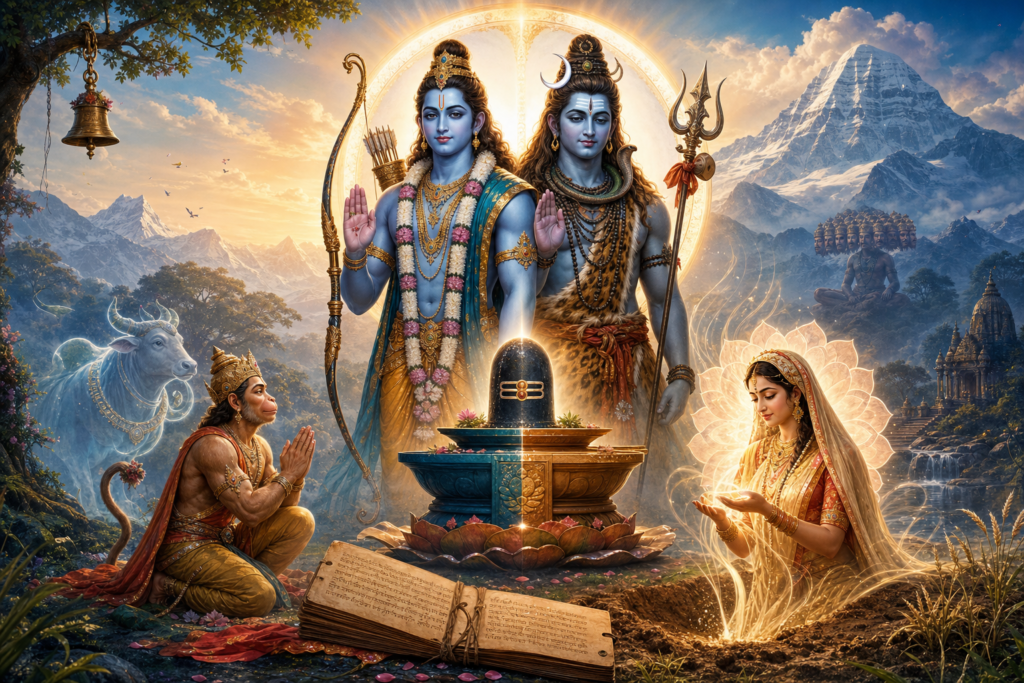
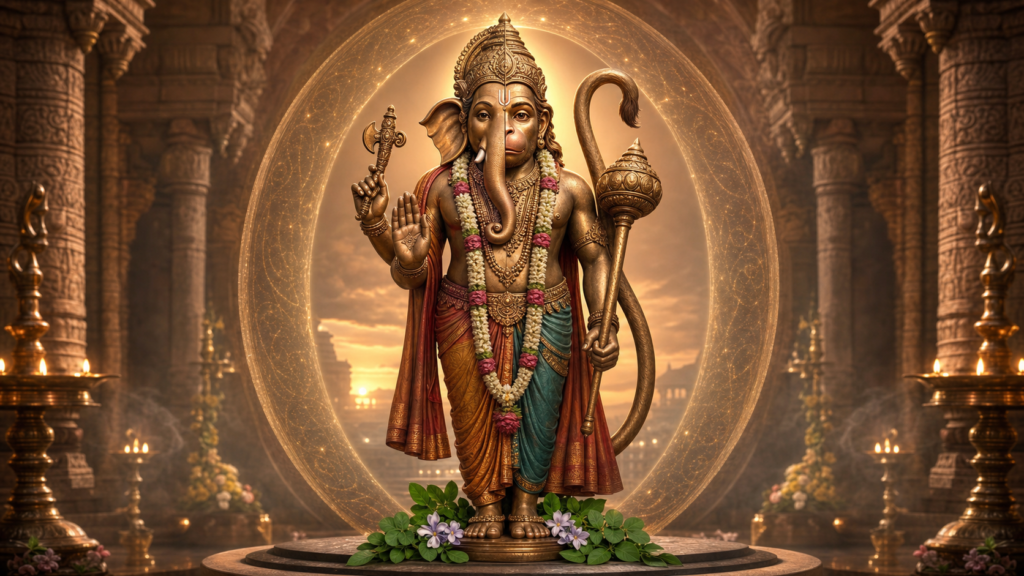
As part of the Parayanam, a daily session is scheduled between 8:30 and 9:30, offering devotees a structured time to listen, chant, or meditate on the verses. The focus on Sundara Kandarenowned for Hanuman’s steadfastness, courage, and serviceinvites participants to internalize qualities celebrated across the dharmic canon, while the cadence of recitation creates a contemplative atmosphere within the sacred precincts of Vasantha Mandapam.
Participants regularly observe that collective recitation fosters serenity, resilience, and compassionate resolvevirtues that resonate with shared dharmic values across Hinduism, Buddhism, Jainism, and Sikhism. The programme thus operates not only as a temple observance but also as a unifying cultural moment, strengthening community bonds and encouraging ethical living, seva, and mutual respect within the broader dharmic family.
The scheduleanchored by the Ankurarpanam at Dharmagiri Veda Vignana Peetham and the ensuing daily Parayanam at Tirumalahelps visiting pilgrims and local devotees plan their participation with clarity. Observing customary decorum in the temple environs, maintaining attentiveness during recitation, and preparing for early arrival are practical ways many visitors align personal devotion with the rhythm of TTD’s temple functions.
By sustaining the tradition of Sundarakanda Parayanam, TTD affirms its commitment to scriptural preservation, ritual rigor, and the accessible transmission of Ramayana wisdom. The 2025 schedule at Tirumala promises a spiritually immersive experience grounded in the living heritage of the Ramayana, infused with Hanuman bhakti, and open to all who seek reflection, renewal, and unity through sacred recitation.
Inspired by this post on Hindu Pad.