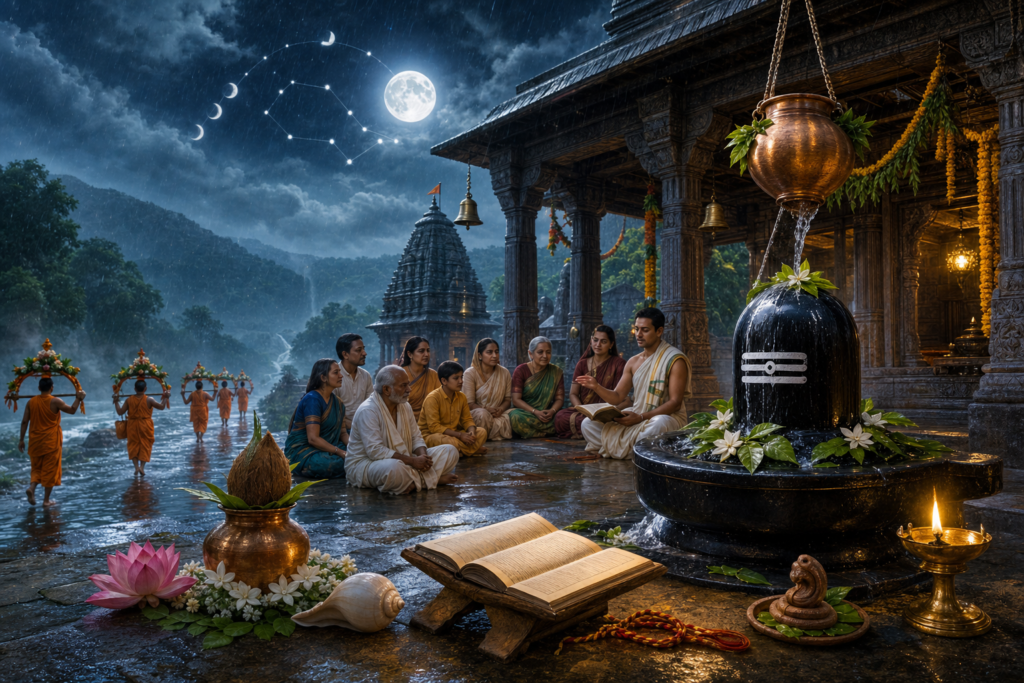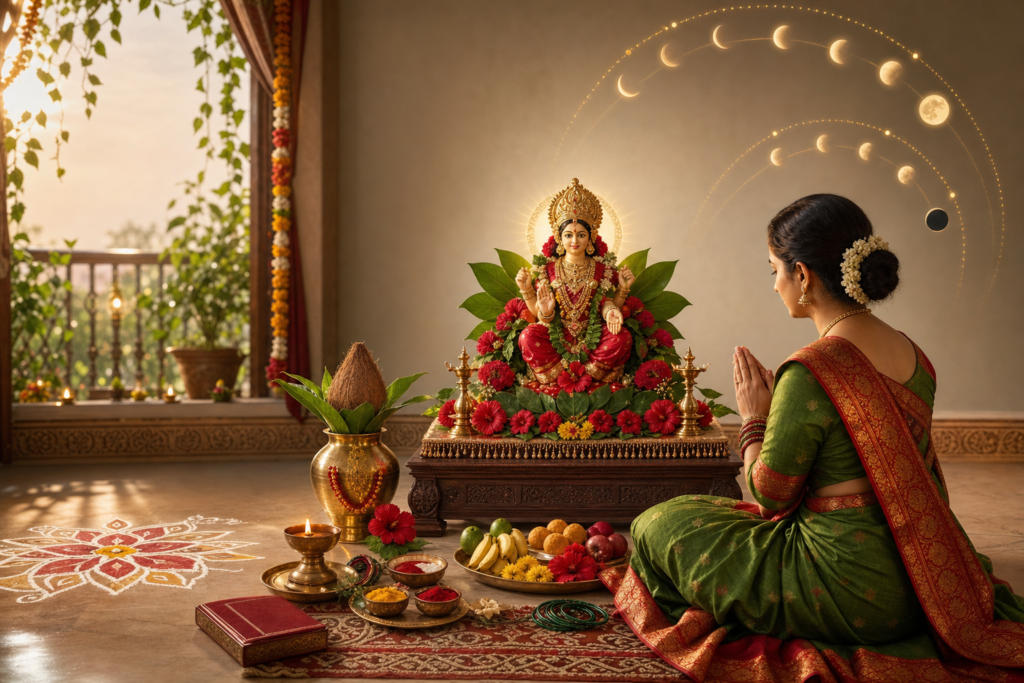
Shakti Peethas stand among the most revered pilgrimage destinations in South Asia, venerated as living seats of the Divine Mother, Shakti. Rooted in sacred geography and enduring devotion, these sites are believed to sanctify the very places where parts of Sati’s body fell to earth, weaving a spiritual map that extends across modern national borders and invites seekers into a shared legacy of faith, memory, and meaning.
Classical narratives preserved in the Devi Bhagavata Purana and other Puranas describe the cosmic tragedy that scattered Sati’s presence across the subcontinent. In these accounts, the Shakti Peethas crystallize as focal points of divine power (Shakti), complementing Lord Shiva’s cosmic role and affirming the centrality of the Devi within the broader tapestry of dharmic traditions.
Beyond India, Shakti Peethas mark a sacred continuum across present-day Bangladesh, Pakistan, Nepal, Sri Lanka, and other regions. Their presence underscores a civilizational continuity that predates modern nation-states, reflecting centuries of pilgrimage, regional cultures, and shared ritual life. As a result, these shrines embody both spiritual transcendence and cultural heritage.
A number of sites outside India are widely venerated by devotees and discussed in traditional sources and local lore. Among them are Hinglaj Mata (Pakistan), Guhyeshwari (Nepal), Jessoreswari (Bangladesh), and Shankari Devi (Sri Lanka). While lists of Shakti Peethas varyoften citing 51, 52, or 108 sitesthe devotional consensus around several of these shrines highlights their established place in pilgrimage tradition and memory.
Contemporary pilgrims frequently describe an experience of awe and continuity when visiting these sanctuaries across borders. The journey itselftraversing languages, cuisines, and customsmirrors the inner pilgrimage: a movement from difference toward recognition of shared sanctity. Many speak of quiet moments of darshan that transcend geography, reinforcing the felt presence of the Divine Mother and the bonds of a common sacred narrative.
These sites also resonate with values cherished across the dharmic family of Hinduism, Buddhism, Jainism, and Sikhismcompassion, humility, devotion, truthful living, and service. In honoring Shakti, communities affirm an inclusive ethos that respects diverse spiritual paths while recognizing a unifying moral core. Such unity in diversity reflects the living spirit of Sanatana traditions and strengthens interfaith harmony in practice.
From a historical perspective, the Shakti Peethas are illuminated by multiple sources: Puranic narratives, sthala-puranas, regional chronicles, inscriptions, and oral traditions. Scholars often note the interplay of text and testimony, where local memory and ritual practice sustain the sacred status of these places even as exact enumerations differ. This layered evidence invites careful study while honoring the primacy of living devotion.
Respectful travel to Shakti Peethas outside India benefits from cultural sensitivity and heritage awareness. Pilgrims and visitors contribute to preservation by observing local customs, supporting conservation efforts, and engaging communities with humility. Recognizing each shrine as both a sacred space and a cultural monument helps safeguard rituals, architecture, and ecology for future generations.
Ultimately, Shakti Peethas outside India embody a timeless message: the Divine Mother’s grace is not confined by boundaries. These sanctuaries invite seekers to experience devotion as a unifying forceone that bridges regions, languages, and traditionsnurturing a shared commitment to peace, reverence, and the compassionate heart of dharma.
Inspired by this post on Hindu Blog.