Situated along the Delhi Highway near Chhata in the Mathura district of Uttar Pradesh, the Nari Semari Temple stands as a revered Devi Peeth. It is widely regarded as the Kuldevi (family deity) shrine for many households from the surrounding regions of Mathura and Agra, and is dedicated to Brij Rakshika Mata, the Protector Goddess of Braj.
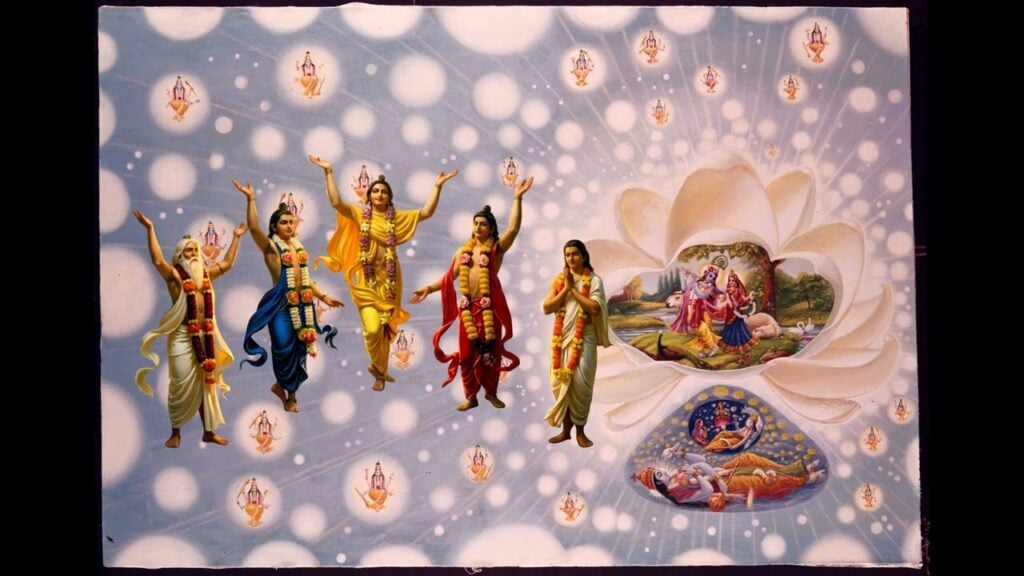
Local temple lore preserves a moving tradition: at this sacred spot, Sri Krishna revealed His Narayan form to Radha. This narrative, cherished within the devotional memory of Braj, deepens the atmosphere of bhakti and lends the site a distinct place within the Krishna-Radha sacred geography of Mathura.
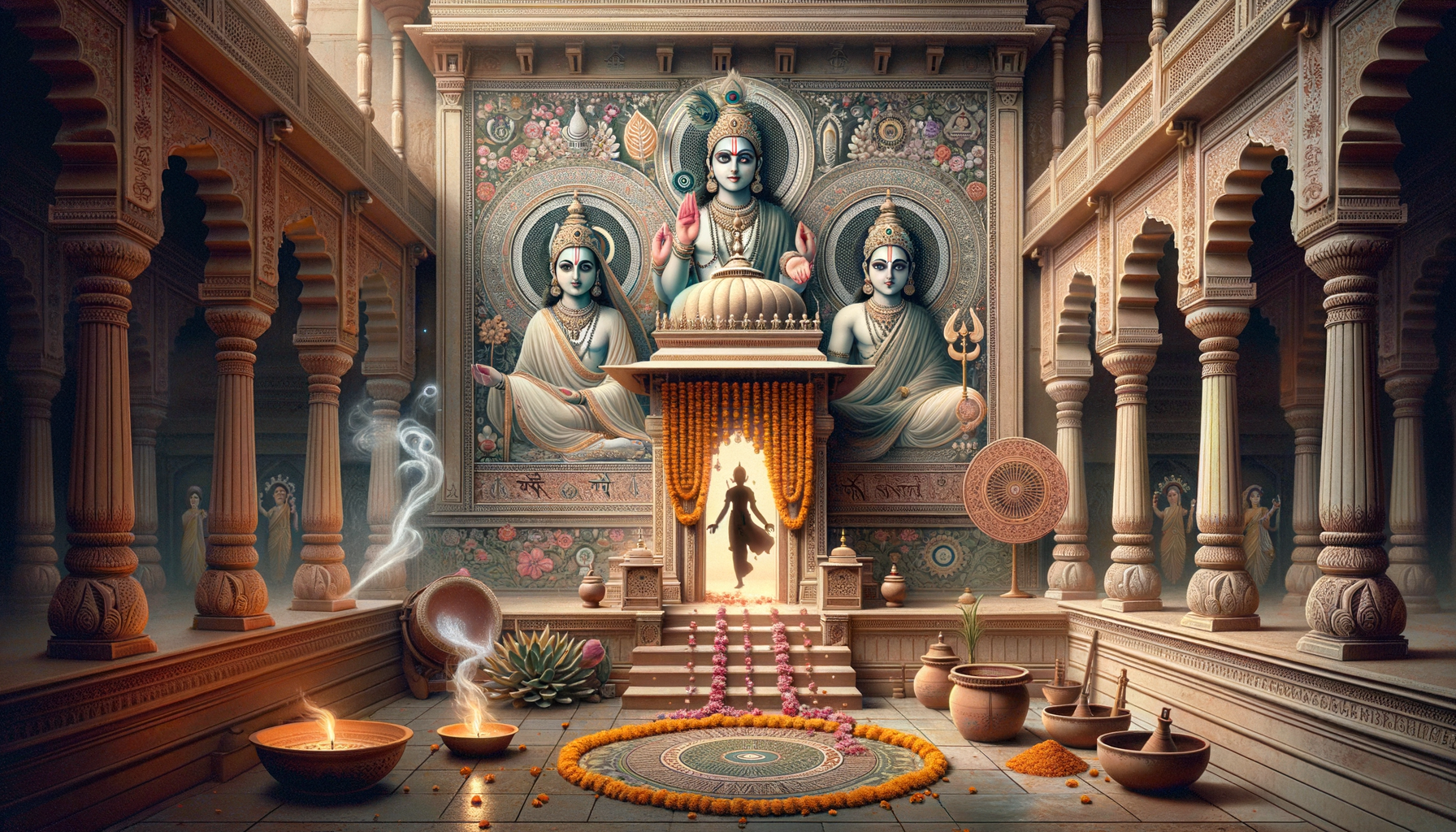
The sanctum presents three striking idolswhite, black, and duskyrevered collectively as manifestations of the protective presence of the Devi. Daily worship rhythms, the fragrance of incense, and the gentle cadence of bells evoke the living spirit of Hindu temples across Braj, aligning naturally with the Krishna temple culture that defines the region’s spiritual heartbeat.
The name “Nari Semari” is often explained through local speech patterns and memory. The name “Nari Semari” is actually a corrupted form of “Nari Shyamli” or “. Variants of this etymology circulate in oral tradition, reflecting how language, devotion, and place-names evolve together in Braj’s cultural landscape.
As a Kuldevi shrine, Nari Semari Temple anchors family lineages in shared worship and responsibility. Generations return to honor Brij Rakshika Mata, reinforcing bonds across Mathura and Agra. This continuity exemplifies how Kuldevi traditions nurture ethical life, social cohesion, and reverence for guardianship within Uttar Pradesh’s cultural fabric.
The temple’s focus on a protective feminine presence resonates across the broader dharmic world. Themes of compassion, guardianship, and wisdomcentral to Hindu thoughtalso find appreciative echoes in the values cherished within Buddhism, Jainism, and Sikhism. In this sense, Nari Semari offers a contemplative space that affirms unity in spiritual diversity without diminishing distinct paths.
Visitors often describe a gentle quietude that contrasts with the motion of the Delhi–Agra corridor. Pilgrims pause here for darshan, listen to elders recount oral histories of Krishna and Radha, and experience a sense of refuge under the gaze of Brij Rakshika Mata. The ambience encourages reflection, gratitude, and renewed commitment to dharmic values that sustain family and community life.
For students of Cultural Heritage and Temple History, the site exemplifies how living practice, local linguistics, and Krishna-bhakti intersect in the Braj region. Its place in the Mathura pilgrimage circuit highlights the continuity of Devi Peeths within Uttar Pradesh and the enduring dialogue between legend, iconography, and community memory.
Enduring as a vital Devi Peeth, the Nari Semari Temple safeguards a shared spiritual memoryof Radha, Krishna, and the protective Goddess of Braj. Through its legends, threefold iconography, and role as Kuldevi for many families, it continues to inspire devotion and unity across the cultural landscape of Mathura and Agra.
Inspired by this post on Hindu Blog.