Narayani Mata Temple near Amanbagh in Alwar, Rajasthan is widely regarded as a serene Shakti shrine that draws devotees seeking calm, clarity, and connection with Devi. Revered for its peaceful atmosphere and devotional rhythm, the temple stands as a meaningful destination for pilgrims and heritage travelers alike.
Alongside the Alwar shrine, there is another prominent temple dedicated to Narayani Maa in Lonavala, Maharashtra. Together, these two sacred sites reflect a shared devotional current that spans regions, linking Rajasthan’s Aravalli foothills with the Sahyadri landscapes of the Western Ghats.
Traditions note that Sati Narayani is especially venerated within the Sain Samaj, while the temples remain welcoming to all who honor Devi. The devotion to Narayani Maa is expressed in inclusive ways that resonate across Hindu, Buddhist, Jain, and Sikh communities, emphasizing compassion, wisdom, and the upliftment of all beings.
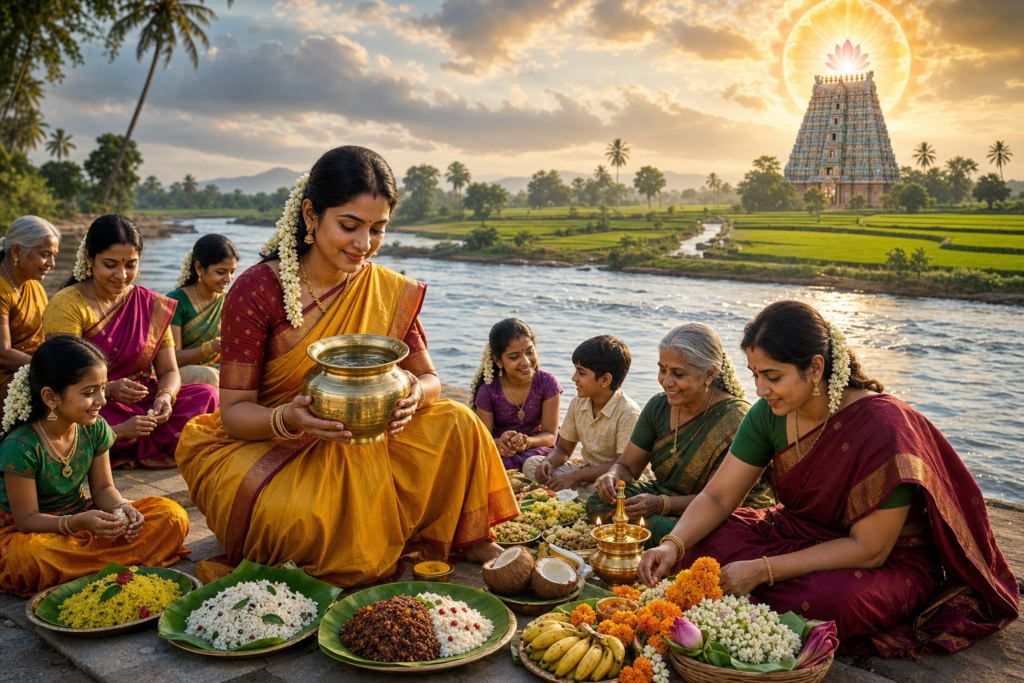
Visitors frequently describe the Narayani Mata Temple in Alwar as contemplative and grounding, with rituals and quiet spaces that support inward reflection. Families, artisans, and pilgrims often gather here to offer prayers, seeking blessings for well-being and community harmony. Such moments of shared reverence illustrate how sacred places can nurture collective belonging.
For many, the appeal of these temples lies not only in their devotional depth but also in their cultural significance. Narayani Maa’s worship highlights the continuity of Shakti traditions, while encouraging unity across dharmic paths. This spirit of togetherness honors diverse modes of worship, sustaining the broader tapestry of India’s cultural heritage.
Travelers often explore the Alwar temple as part of regional heritage routes, appreciating its proximity to Amanbagh and the larger Alwar landscape. In Maharashtra, the Lonavala temple offers a complementary experience amid hill-station environs, allowing pilgrimage and travel to blend with moments of reflection and gratitude.
In both locations, the devotion to Narayani Maa centers on reverence, service, and shared values. By welcoming seekers from varied backgrounds, these temples affirm a vision of spiritual inclusivitywhere many paths meet in respect, and where devotion becomes a gentle bridge across communities.
Inspired by this post on Hindu Pad.