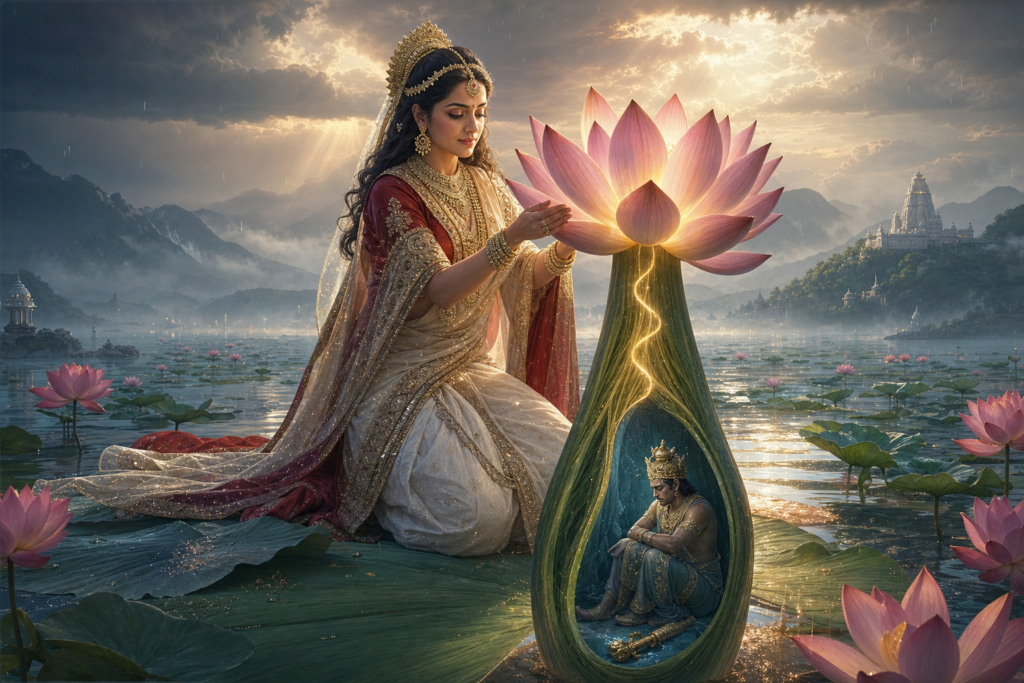
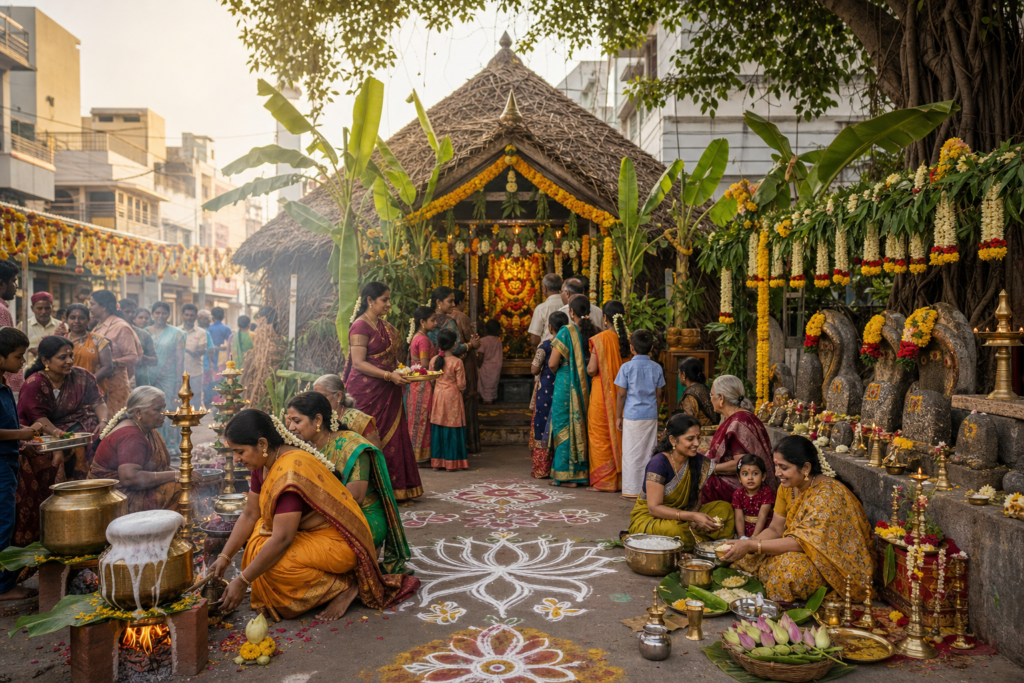
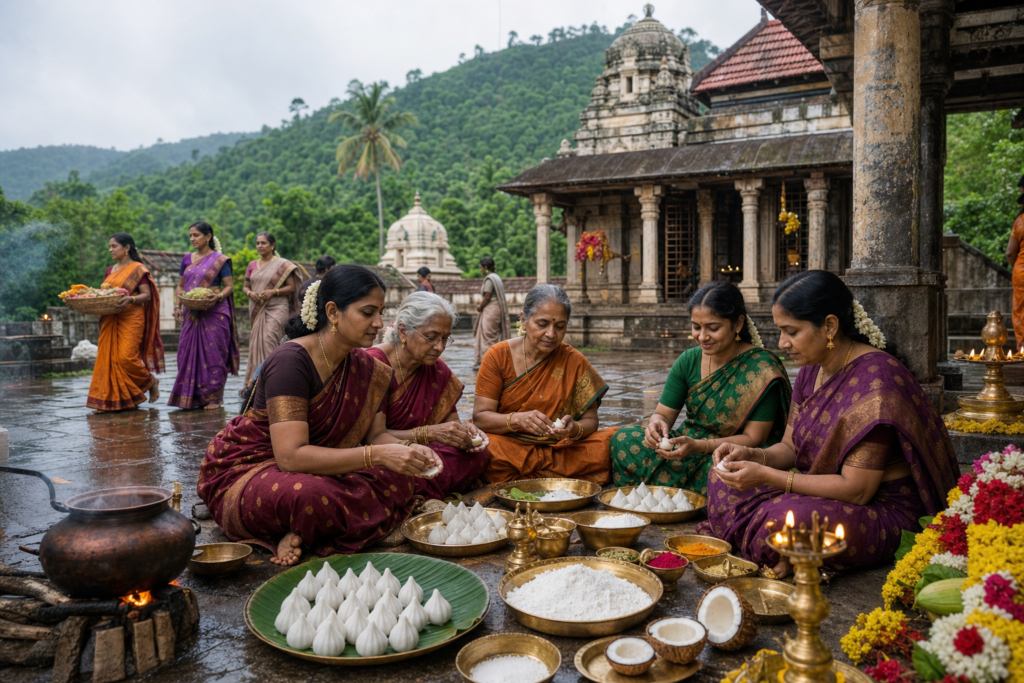
In Hindu mythology, Lord Ayyappa is venerated as “MAHISHI SAMHARA MOORTHY,” a title that honors the slaying of the formidable asura Mahishi, sister of Mahishasura. Described as buffalo-headed and endowed with immense boons, Mahishi unleashed suffering upon the Devas and beings on earth. The epithet underscores Ayyappa’s role as the Slayer of Mahishi and situates the narrative within the broader dharmic struggle to restore balance and protect the righteous.
Classical accounts explain that Mahishi’s boon made her invulnerable to all except a being born of both Shiva and Vishnu. This metaphysical condition led to the manifestation of Ayyappa as Hariharaputraborn of Shiva and Vishnu’s Mohini avataruniquely qualified to confront her. The narrative aligns with the puranic tradition that positions divine agency as a response to cosmic disorder, linking Ayyappa’s birth and mission to the restoration of dharma.
Texts and oral traditions recount that Ayyappa’s encounter with Mahishi culminated in her defeat, a decisive moment often localized at Erumely in Kerala. Cultural memory preserves this victory through practices such as the Petta Thullal, which symbolically reenacts the vanquishing of adharma. The title “Mahishi Samhara Moorthy” thus encapsulates both a historical-mythic event and a living tradition that continues to shape devotional life, especially along the Sabarimala pilgrimage route.
Devotees invoke Lord Ayyappa as Mahishi Samhara Moorthy for protection, moral clarity, and inner strength, particularly during the Mandala and Makaravilakku season at Sabarimala. In bhajans and vrata observances, the title evokes courage, humility, and the assurance of divine guardianship. The devotional ethoswelcoming and discipline-focusedhas historically drawn participants across communities, reinforcing the inclusive character of Ayyappa worship.
Philosophically, the buffalo-headed form of Mahishi is read as a metaphor for tamaslethargy, arrogance, and untamed impulses. Ayyappa’s samhara (subjugation) represents the transformation of these tendencies into ethical action and spiritual clarity. This interpretive lens resonates across dharmic traditions: the Buddhist overcoming of kleshas (afflictions), the Jain discipline against kasayas (passions), and the Sikh emphasis on aligning conduct with hukam, each affirming an inner conquest that fosters harmony in society.
Viewed through this integrative dharmic perspective, “MAHISHI SAMHARA MOORTHY” is more than a divine epithet; it is a moral paradigm. It invites adherents to confront inner disorder with steadiness and compassion, to protect the vulnerable, and to seek unity in diversity. By celebrating Lord Ayyappa’s victory over Mahishi, the tradition offers a shared vocabulary of ethics and resilience that strengthens bonds among Hindu, Buddhist, Jain, and Sikh communities while honoring the plurality at the heart of Sanatana Dharma.
Inspired by this post on Hindu Pad.