Temples across Sindhudurg district that had remained shuttered for decades due to unresolved disputes have reopened following a sustained, methodical intervention by the Maharashtra Mandir Mahasangh. This development is significant not only for devotees and local communities but also for the broader discourse on cultural heritage governance, temple protection, and community-led conflict resolution in Maharashtra.
Sindhudurg, situated along the Konkan coast, is home to numerous historic shrines embedded in village life and seasonal ritual calendars. Over time, several temples closed due to disagreementscommonly around hereditary trusteeship, ritual precedence, property records, and rights of service (seva)which were compounded by the absence of unified oversight and the inertia of prolonged litigation. The closures curtailed public darshan, interrupted local festival cycles, and weakened community cohesion.
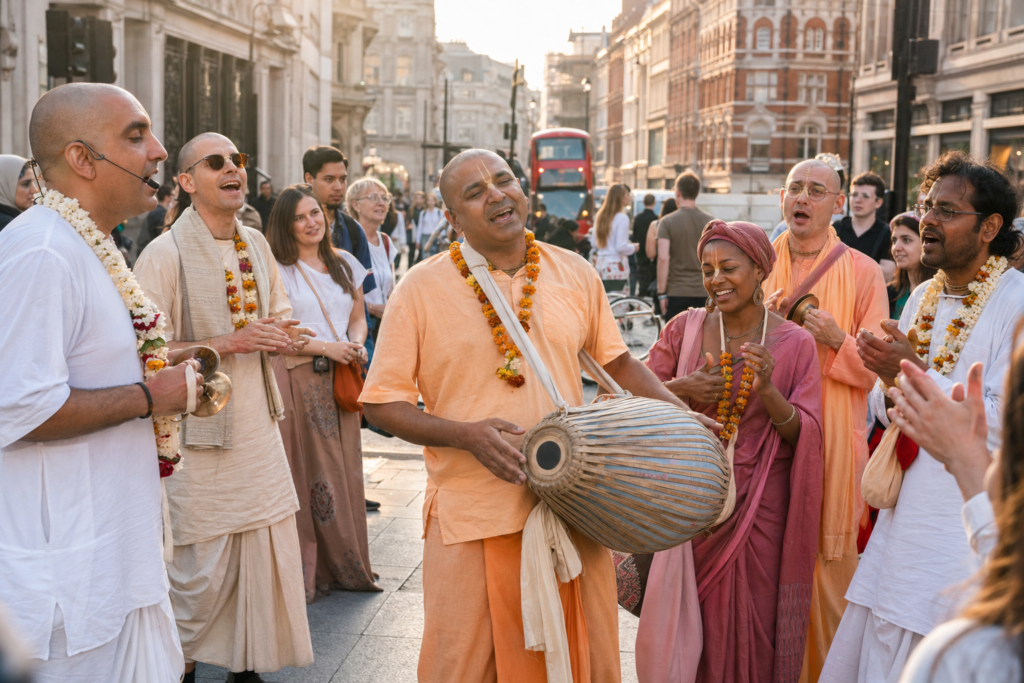
The Maharashtra Mandir Mahasangh adopted a phased, peace-building approach that began with Naam-Satsang, advanced through facilitated dialogue, and culminated in a district-level convention. Naam-Satsang provided a low-conflict, trust-building environment rooted in shared devotion and ethical restraint, enabling stakeholders to re-engage without reopening old hostilities. Structured dialogues then clarified interests, established common ground, and translated goodwill into actionable next steps.
Stakeholder mapping and mediated sessions brought together hereditary trustees, archaka families, local gram panchayat representatives, devotees, and civil society facilitators. The process emphasized principles recognizably dharmic and broadly applicable across Hindu, Buddhist, Jain, and Sikh traditionssatya (truthfulness), ahimsa (non-violence), dana/seva (service), and self-restraintthereby steering discussion from positions to interests. Clear ground rules, minutes, and follow-up commitments reduced ambiguity and prevented the re-escalation of legacy grievances.
Institutional compliance and governance repair formed the backbone of the reopening. In line with the Bombay Public Trusts Act, 1950 (as applicable in Maharashtra), stakeholders reviewed trust registrations, updated trustee lists, and aligned decision-making with the oversight of the Charity Commissioner where required. Clarifying whether a shrine was a public trust or a private endowment minimized jurisdictional confusion and set a lawful basis for routine administration and audit.
To operationalize stability, the initiative encouraged the formation or revitalization of Temple Management Committees with transparent charters. Practical measures included standardized operating procedures for daily puja and aarti, documented festival calendars, custodial protocols for ornaments and donation boxes, and inventory registers for movable and immovable assets. Financial integrity was strengthened through bank mandates, e-ledgers, receipt controls, and periodic independent verification, while grievance redress channels provided structured, time-bound responses to complaints.
Spiritual life resumed as temples reopened their doors for daily darshan, bell-ringing, and community participation in worship. Elders described a palpable sense of relief at hearing familiar mantras after years of silence, and younger residents encountered living traditions that had been absent for much of their lives. Early observanceswhether modest weekday offerings or the first revived utsavsreinstated a rhythmic cycle of devotion that strengthens ethical life and social trust.
Inclusive measures prioritized broad access and shared responsibility. Volunteer rosters engaged women and youth in non-ritual roles such as cleanliness drives, queue management, and documentation. Accessibility improvements for senior citizens and persons with disabilities, along with plastic-free precincts and basic safety checks, connected spiritual renewal with stewardship of people and place. These steps reinforced that temple protection and cultural preservation can advance together.
Crucially, the ethic animating the process aligned with the unity of dharmic traditions. The emphasis on dialogue, compassion, non-violence, and community service resonates across Hinduism, Buddhism, Jainism, and Sikhism, strengthening inter-community goodwill without altering the distinct ritual identities of the temples themselves. This approach demonstrates that dharmic unity is not uniformity; it is a principled framework that enables institutions to thrive while honoring diversity.
Capacity building supported durable outcomes. Committees received guidance on roles and responsibilities, documentation standards, festival logistics, and volunteer management. Where necessary, expert inputs on conservation basics, risk assessment, and ethics in handling temple assets were introduced, reducing the likelihood of administrative drift or capture.
Heritage-sensitive care framed both the material and intangible dimensions of the temples. Attention to structural upkeep, iconography handling, and archival record-keeping was balanced with safeguarding oral histories, local bhajan repertoires, and regional ritual forms. Coordination with appropriate government departments and adherence to conservation norms avoided hasty alterations that can compromise authenticity or legal compliance.
Early results indicate a credible revival: resumed daily worship, growing footfall, and the successful organization of the first festivals in years. Local vendors, artisans, and service providers benefited from ethical, transparent activity that respected the sanctity of the precincts. More importantly, the community’s confidence in lawful, accountable temple governance has begun to recovera prerequisite for sustainable temple protection.
The method is replicable. A concise pathwayTrust-Build (Naam-Satsang) → Diagnose (stakeholder mapping and documentation) → Resolve (facilitated dialogue and mediated agreements) → Govern (charters, audits, and SOPs) → Nurture (training, inclusion, and conservation)can help other districts address comparable closures without deepening litigation. Where legal contestation is unavoidable, early recourse to Alternative Dispute Resolution and, where appropriate, Lok Adalat mechanisms can limit costs and preserve relationships.
Risks remain and are being actively managed. Safeguards against politicization, institutional capture, or opaque financial practices include periodic third-party review, public-facing summaries of accounts, and independent grievance handling. Clear boundaries between ritual authority and administrative oversight protect both spiritual integrity and procedural fairness under the Charity Commissioner’s regulatory framework.
Looking ahead, the Sindhudurg experience suggests a strategic agenda: codify temple charters in accessible language, schedule regular social audits, expand youth-led documentation and cleanliness drives, and establish a district knowledge network to share templates and checklists. Continued emphasis on dharmic valuesseva, satya, and non-violencewill anchor unity in spiritual diversity and keep governance aligned with the law and the lived needs of devotees.
The reopening of Sindhudurg’s long-shut temples marks a historic revival achieved through disciplined dialogue, lawful institutional repair, and community engagement. By aligning spiritual renewal with accountable management under the Bombay Public Trusts Act, 1950, the Maharashtra Mandir Mahasangh has helped convert aspiration into durable structure. The model strengthens cultural heritage, restores trust, and offers a replicable path for temple protection across Maharashtra and beyond.
Inspired by this post on Hindu Jagruti Samiti.