-
Temple Lands at Risk? Why Maharashtra’s 2026 Devasthan Inams Draft Act Alarms Dharmic Bodies

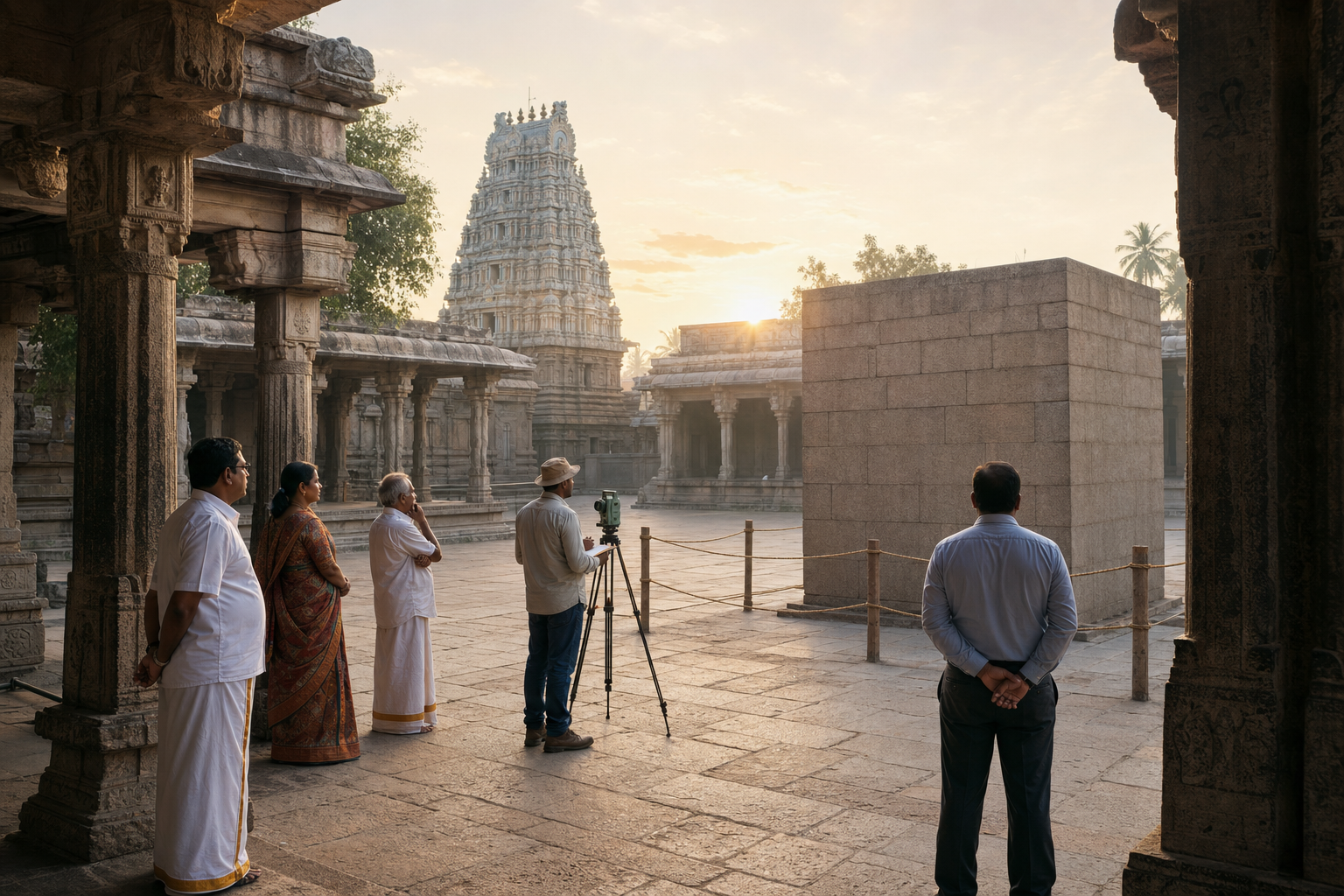
Maharashtra’s proposed Devasthan Inams Abolition Draft Act, 2026 has raised alarms among temple trusts and dharmic institutions that rely on endowment-backed revenues for worship, welfare, and heritage conservation. This analysis clarifies what devasthan inams are, why they matter to community life across Hindu, Buddhist, Jain, and Sikh traditions, and how constitutional safeguards under Articles 25,…
-
Maharashtra’s Devasthan Inam Abolition Draft Act 2026: Why Temple Lands Must Be Protected Now

Maharashtra’s Devasthan Inam Abolition Draft Act 2026 seeks to alter how temple and other dharmic institutions sustain religious and charitable work by targeting endowed lands. Devasthan inams historically funded daily worship, festivals, and social services; abolishing them risks fragmenting sacred endowments and destabilizing predictable income. The constitutional framework—particularly Article 26—protects denominational autonomy to own and…
-
Stop Neglecting Karnataka’s Temples: Bagalkot Mandir Mahasangh Seeks Bold Budget Action

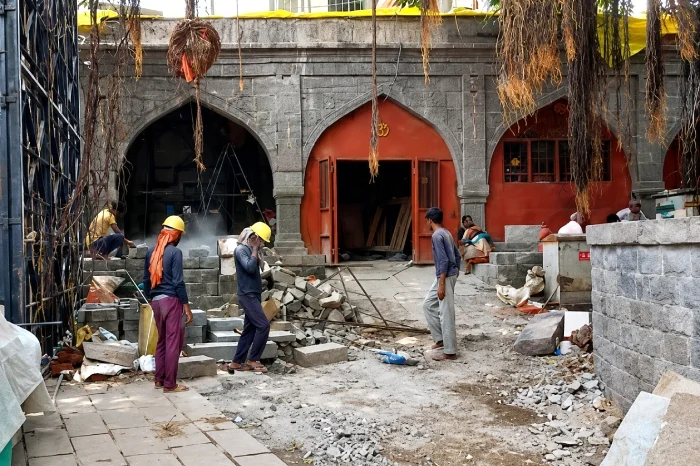
A regional convention of the Karnataka Mandir Mahasangh in Bagalkot has urged the state to create a ring-fenced budget for temple renovation, preventive maintenance, and professional management. The appeal frames temples as living heritage—sacred spaces that sustain ritual continuity, artisans’ livelihoods, and local economies—requiring predictable funding and technical rigor. The analysis outlines a pragmatic roadmap:…
-
Miraj Temple Trust Land Encroachment Halted: Authorities Seal Site, 30‑Day Resolution Sought

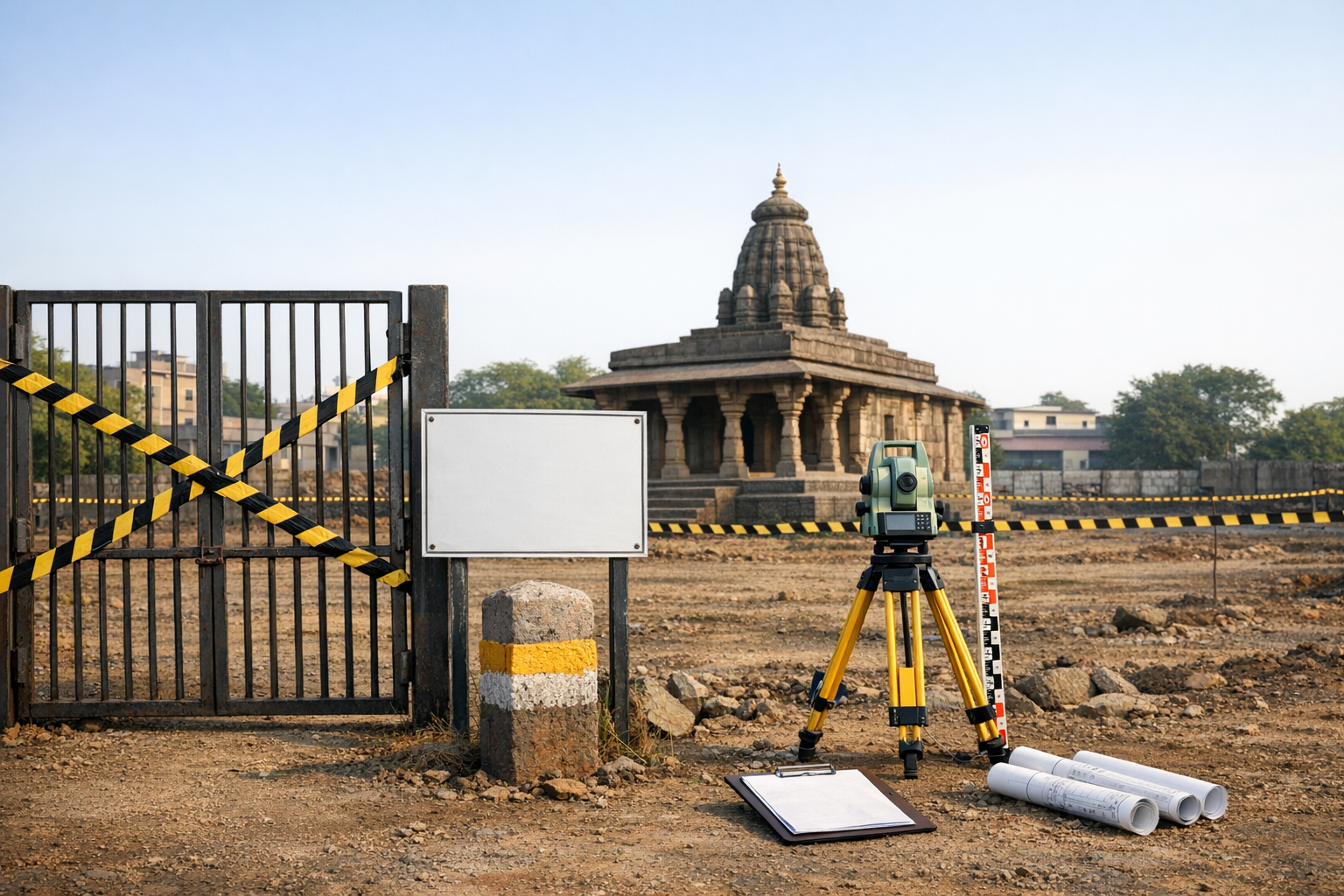
Authorities in Miraj halted unauthorized construction on Shri Dnyangiri Swami Maharaj Trust land and sealed the site, initiating a due-process pathway for resolution. The legal framework—including Article 26 of the Constitution, the Bombay Public Trusts Act, 1950, and the MRTP Act, 1966—supports firm, fair enforcement against encroachment. Community representatives have requested complete removal of the…
-
Mandir Mahasangh’s Statewide Drive Challenges Maharashtra Devasthan Inam Abolition Draft 2026

Mandir Mahasangh has launched a statewide memorandum campaign opposing the Maharashtra Devasthan Inam Abolition Draft Act 2026, bringing temple autonomy and dharmic heritage to the forefront of policy debate. This analysis explains what Devasthan inams are, why abolition frameworks can affect core religious and charitable functions, and how Articles 25 and 26 shape constitutional limits…
-
Maharashtra’s Devasthan Land Transfer Row: Legal Risks, Community Fears, and a Sensible Way Forward

The Maharashtra Mandir Mahasangh has warned of a statewide agitation against a proposed law enabling transfers of Devasthan lands, citing fears of land mafia capture and erosion of sacred trusts. This analysis maps the constitutional guardrails (Articles 25, 26, and 300A), the statutory framework of the Maharashtra Public Trusts Act, 1950, and key Supreme Court…
-
Sindhudurg Memorandum: HJS, Mandir Mahasangh urge funding transparency to safeguard temple autonomy

A joint memorandum in Sindhudurg by Hindu Janajagruti Samiti (HJS) and the Maharashtra Mandir Mahasangh urges the state to improve funding transparency for religious education, proportionately address illicit financial flows into extremism, and protect Hindu temple autonomy. The submission frames these as constitutional, administrative, and cultural priorities that build public trust. It recommends neutral, parity-based…
-
Saptashrungi Gad Shock: 22.5 kg of Sacred Silver Missing, Criminal Probe Targets Ex-Trustees

An audit at Shri Saptashrungi Gad Temple in Vani, Nashik, has reported that about 22.5 kg of silver used in carvings and cladding is unaccounted for, prompting a criminal case against former trustees. The investigation is ongoing and no judicial finding has been reached, underscoring the importance of due process. The incident highlights the cultural…
-
Historic Revival in Sindhudurg: Decades-Closed Temples Reopen via Maharashtra Mandir Mahasangh

Several long-closed temples in Sindhudurg have reopened after a structured, non-confrontational intervention by the Maharashtra Mandir Mahasangh. The initiative combined Naam-Satsang, facilitated dialogue, and a district convention to rebuild trust and identify actionable solutions. Governance was restored through compliance with the Bombay Public Trusts Act, 1950, transparent Temple Management Committees, and clear operating procedures. Daily…
-
Chhattisgarh Mandir Mahasangh: A Bold Plan to Protect Temples and Renew Dharmic Heritage

Temple trustees and priests in Chhattisgarh have resolved to establish a Mandir Mahasangh to professionalize temple management, protect temple lands from encroachment, and renew Dharmic heritage. The proposed federation emphasizes legal compliance, financial transparency, and standard operating procedures while respecting local traditions. It recommends GIS-based land protection, conservation-grade heritage care, and robust safety and crowd…
-
LeT Handler Arrested Near Delhi; Kolkata Hub Exposed, ‘Kalkaji Temple Among Targets’ Reported

A reported arrest near Delhi of LeT-linked Shabbir Ahmed Lone has drawn attention to a suspected Kolkata facilitation hub and the Bangladesh–Kolkata–Delhi corridor, with ‘Kalkaji Temple Among Targets’ cited in public narratives. This analysis explains how handlers segment recruitment, logistics, and reconnaissance while relying on encrypted communications to evade detection. It outlines how Delhi Police,…
-
A Revered Endorsement: Param Pujya Vijayendra Saraswati Hails Mandir Mahasangh’s Unifying Vision

Param Pujya Vijayendra Saraswati ji praised the Mandir Mahasangh initiative as “highly commendable,” affirming that unifying and organizing temples is “the pressing need of the present time.” The analysis outlines why a federated approach—preserving local autonomy while sharing standards—best fits today’s complex operational and cultural landscape for Hindu temples. It proposes practical steps: digital registries,…
-
Historic Opening After 48 Years: Puri Ratna Bhandar Inventory to Protect Sacred Heritage

After 48 years, the Ratna Bhandar inventory at Puri Jagannath Temple begins as a carefully choreographed effort to protect sacred heritage while honoring ritual sanctity. The process integrates SJTA administration, ASI conservation practice, servitor participation, and multi-agency oversight to ensure chain-of-custody and transparency. High-resolution imaging, meticulous metadata, and read-only digital ledgers anchor the documentation, while…
-
1,100+ Temple Leaders Unite in Satara as Maharashtra Pledges Bold Crackdown on Encroachments

Over 1,100 temple representatives met in Satara on 22 March for the Fourth Maharashtra Mandir Nyas Parishad, where the state pledged decisive action on land encroachments and administrative reforms. The convening underscored how secure temple lands and transparent governance sustain cultural heritage and social services across Hindu, Buddhist, Jain, and Sikh communities. A coordinated approach—linking…
-
Maharashtra Temples Adopt Dress Code Boards to Uphold Sanctity and Respectful Darshan

Temple trustees from Savarde and Sarand in Maharashtra’s Ratnagiri district have resolved to install dress code boards, a move intended to preserve sanctity while improving clarity and comfort for devotees. The initiative aligns with long-standing dharmic norms of modesty and decorum, and parallels practices witnessed across Hindu, Buddhist, Jain, and Sikh spaces. Clear, inclusive, and…
-
Delhi Temple Attack Foiled: ISI-Linked Lashkar Cell Dismantled; Bangladesh Handler Traced

Indian security agencies reportedly foiled an ISI-linked Lashkar-e-Taiba plot targeting a Delhi temple on 23 February 2026, with a handler traced to Bangladesh. The case underscores the need for intelligence-led policing, cross-border cooperation, and rights-respecting counterterrorism. It highlights how layered protection of sacred sites—concentric perimeters, intelligent CCTV, and trained volunteer stewards—can materially reduce risk. Analysts…
-
Kotavde, Ratnagiri: Protests, Panchayat Action Close Halal Outlet Near Shri Mahalakshmi Temple

A Halal Chicken Centre near the Shri Mahalakshmi Temple in Kotavde, Ratnagiri closed after peaceful community protests and prompt Gram Panchayat intervention. The action, taken to maintain temple sanctity, showcases how local governance can defuse tension through due process. The episode highlights the value of clear planning norms around places of worship and transparent licensing.…
-
Protect Tuljapur’s Legacy: HJS Demands Probe into Damage of Ancient Brahmadev Idol

HJS has urged the Guardian Minister of Dharashiv to order an impartial probe into damage caused to the ancient Shri Brahmadev idol at Shri Kshetra Tuljapur, citing negligence and seeking criminal accountability where due. The call emphasizes transparent, time-bound investigation and adherence to conservation best practices. The incident underscores the urgent need for robust heritage…
-
Maharashtra Mandir Mahasangh seeks stamp duty waiver to safeguard sacred temple lands; CM positive

The Maharashtra Mandir Mahasangh has requested a stamp duty and registration fee waiver for temple lands and a new anti–land grabbing law to protect religious properties. The Chief Minister has responded positively, indicating a readiness to evaluate the proposals. A waiver could lower compliance costs, accelerate title regularization, and channel more resources toward heritage protection…
-
Kashi and Mathura in Focus: Yogi Adityanath Hints Temple Campaigns, Heritage Unity Push

Public remarks by Uttar Pradesh Chief Minister Yogi Adityanath in December 2025 appeared to hint at potential temple-related campaigns in Kashi and Mathura. The cities’ layered heritage—Hindu, Buddhist, Jain, and Sikh—demands measured, conservation-led approaches grounded in law and community dialogue. Framing heritage as inclusive stewardship can lower friction, enhance pilgrim amenities, and deepen interfaith respect.…