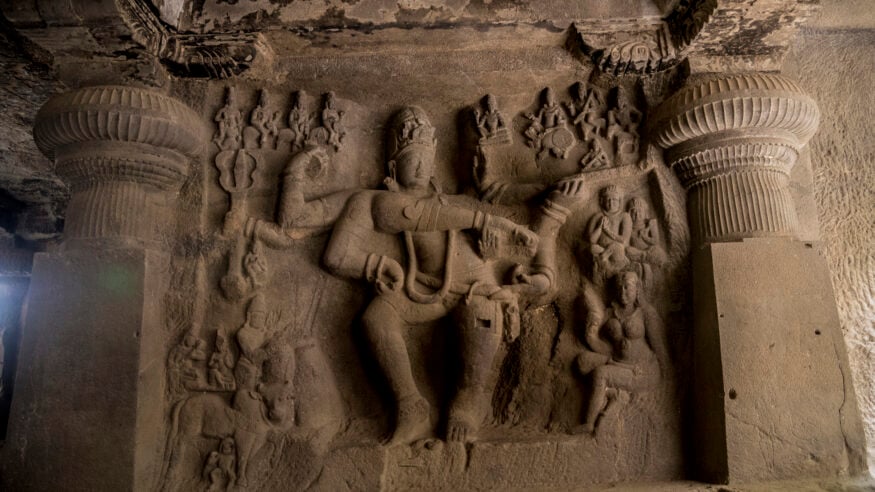
Every time I step through the ornately carved gateways of a Hindu temple, my eyes instinctively trace the figures that flank the doorwaytwo serene, watchful guardians. Over the years, I learned to greet them by name: Sankhanidhi (Shankha Nidhi) and Padmanidhi (Padma Nidhi). Standing there with the shankha (conch) and padma (lotus), they feel like celestial friends who quietly usher me from the outer world into a sacred space of inner abundance.
As I deepened my understanding of Hindu temple architecture and symbolism, I discovered that Sankhanidhi and Padmanidhi are revered attendants of Kubera, the divine treasurer. In temple iconography, they often appear near thresholds and on doorframes, gently reminding us that true wealth is both material and spiritual. Their presence signals auspiciousness, prosperity, and the ethical stewardship of resourcesvalues that have guided Hindu traditions for centuries.
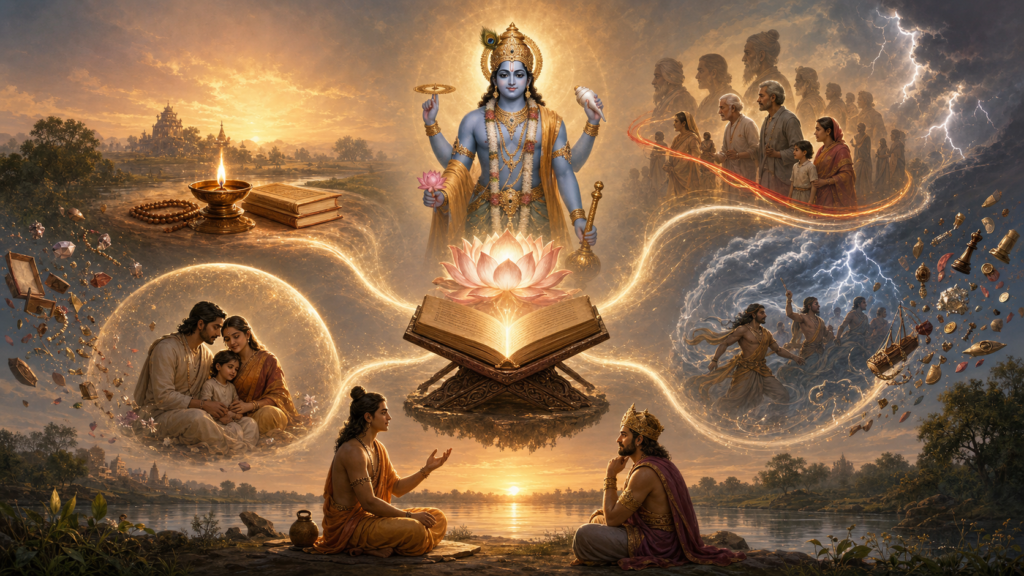
For me, the conch of Sankhanidhi symbolizes more than wealth. The shankha carries the sound of order and righteousnessit’s a call to live by dharma, to act with clarity and courage. In many Vishnu temples, that connection feels palpable: Vishnu’s conch is the vibration of protection and moral resolve, and Sankhanidhi channels that same protective, purifying energy into our lives.
Padmanidhi, holding the lotus, evokes a different quality of abundancepurity, grace, and unfolding wisdom. The padma blossoms unstained from the mud, just as our minds can rise above attachments. I often see Padmanidhi as a gentle reminder that prosperity is not merely accumulation; it’s the blossoming of generosity, balance, and inner peace. The lotus also whispers a truth I return to often: real success opens quietly, petal by petal.
When I pause before these guardians at a temple threshold, I feel the power of liminalitythe crossing from everyday concerns into sacred awareness. Placed at the doorway, Sankhanidhi and Padmanidhi invite me to leave behind scarcity thinking and step into a mindset of gratitude and responsibility. In that moment, I’m reminded that wealth without ethics is restless, and ethics without sufficiency can feel strained. Together, they hold the balance.
In my own practice, I’ve found simple ways to bring their symbolism into daily life. Reflecting on the shankha helps me cultivate clarity in decisionsespecially around finances and workwhile the padma encourages calm detachment and wise generosity (dāna). Even keeping art or small icons of the conch and lotus near my workspace nudges me toward steadiness, integrity, and a fuller definition of prosperity.
Ultimately, Sankhanidhi and Padmanidhi teach me that wealth is sacred stewardship. They aren’t just temple figures from a distant pastthey are living guides in Hindu temple iconography, showing us how to align material success with spiritual insight. Every darśan feels more complete when I remember their quiet lesson: abundance flows best when anchored in purity, purpose, and compassion.