-
From ‘Responsibly Broke’ to Financial Freedom: Healing Money Trauma with Dharma and Data

This evidence-based reflection traces the path from being “responsibly broke” to sustainable financial freedom by healing money trauma, building literacy, and aligning prosperity with Dharma. It explains how early experiences of financial control and shame hardwire the nervous system, shaping money scripts that drive avoidance or overspending. It then details actionable frameworks—zero-based budgeting or 50/30/20,…
-
Wealth, Karma, and Krishna: Evidence‑Based Dharmic Guidance to Earn, Spend, and Give with Peace

This long-form analysis explains how money reflects inner consciousness and how Krishna’s sanction, karma, and purushartha interact to shape financial outcomes. It integrates Hindu philosophy with Buddhist Right Livelihood, Jain aparigraha, and Sikh principles of kirat karo, vand chhako, and seva to offer a unified ethic. Drawing on Srila Prabhupada’s reminders about destiny and greed,…
-
Kubera and Mammon Unveiled: How Icons of Wealth Shape Ethics, Society, and Spiritual Life

Wealth has long stirred both aspiration and anxiety. This comparative study of Kubera in Hinduism and Mammon in the Aramaic and Christian traditions clarifies how cultures transform riches into ethical guidance. It shows how Hindu texts situate prosperity within dharma and community welfare, while biblical teachings personify Mammon to warn against greed. Readers gain practical…
-
Beyond Gold and Fortune: How Goddess Lakshmi Cultivates Inner Peace and Lasting Prosperity

Goddess Lakshmi in Hinduism signifies far more than financial gain. Traditional imagery and the Ashta Lakshmi forms reveal a complete vision of prosperity that unites outer wealth with inner qualities like compassion, courage, and wisdom. Aligning artha with dharma transforms money into responsible stewardship that benefits families and communities. This integrated approach resonates across Buddhism,…
-
Kubera and Plutus Compared: Timeless Lessons on Ethical Wealth Across Hindu and Greek Traditions

A cross-cultural comparison of Kubera in Hinduism and Plutus (Ploutos) in Greek mythology reveals how civilizations frame wealth as a moral responsibility. Kubera represents ritualized stewardship and the dharmic integration of artha with generosity and social duty. Plutus, by contrast, functions primarily as an allegory in Greek literature, symbolizing the capricious distribution of riches and…
-
Timeless Vedic Discipline: Living Below Your Means for True Wealth and Inner Freedom

Living below one’s means is presented as a disciplined, dharmic path to true wealth, rooted in Vedic wisdom and reinforced across Buddhism, Jainism, and Sikhism. The post explains how artha flourishes under dharma, reframing wealth as stewardship rather than accumulation. It outlines practical steps—ethical earning, mindful spending, consistent saving, and regular giving—that build both financial…
-
Kubera and Pluto Compared: Wealth, Underworld, and Shared Ethics Across Civilizations

This comparative study examines Kubera in Hinduism and Pluto in Roman mythology to show how both embody wealth rooted in the earth and bounded by moral law. It clarifies their distinct roles—Kubera as lord of prosperity and guardian of the north, Pluto as ruler of the underworld—and explains how each tradition links abundance with duty.…
-
Divine Economics Unveiled: Why Lakshmi Chooses Vishnu—Eternal Wealth, Preservation, Dharma

The union of Lakshmi and Vishnu is a precise ethical model in Hindu philosophy: prosperity endures only when guided by preservation. Scriptural narratives like Samudra Manthan show wealth choosing the preserver, while the Bhagavad Gita illuminates how stewardship sustains social balance. The insight translates into daily life—families, businesses, and communities flourish when accountability, restraint, and…
-
Unlocking Lakshmi’s Blessing in Kali Yuga: Pure Hearts, Steadfast Faith, and True Prosperity

The teaching that Goddess Lakshmi blesses the pure of heart and the steadfast in faith appears simple yet proves exacting in Kali Yuga. This article clarifies purity as ethical clarity and compassion in action, and faith as disciplined steadiness under pressure. It shows how these virtues, affirmed across Hinduism, Buddhism, Jainism, and Sikhism, align individuals…
-
The Complete Renaissance Breakthrough: Discover the Proven Forces that Transformed Italy

This analysis identifies the twin engines of Italy’s Renaissance: financial innovation and the rediscovery of Roman antiquity. It shows how Cosimo de’ Medici, the Medici Bank, and expanding commerce enabled patronage that fueled art, education, and architecture. It explains why the 14th-century revival surpassed earlier rediscoveries through urbanization and higher literacy. It highlights concrete classical…
-
Dhanteras 2025 Date: The Essential Guide to Puja Significance, Auspicious Buying, and Diwali Prep

Dhanteras 2025 date is October 18, inaugurating the Diwali season with a focus on prosperity and wellbeing. Observed on Krishna Paksha Trayodashi, the day blends reverence for Dhanvantari (health) with Lakshmi–Kuber Puja (prosperity). Families light the first diya and perform Yam Deep Daan at dusk, cultivating gratitude and protection. Many choose to buy gold, silver,…
-
Master the Dharmic Wealth Ethic: Proven Panchatantra Secrets to Grow, Protect, and Serve

A dharmic approach to prosperity unites practical niti with the puruṣārthas to grow, protect, and purposefully deploy wealth. The Panchatantra’s Vardhamana story models ethical enterprise, dāna, and civic-minded investment as a complete wealth ethic. Clear maxims—on circulation versus hoarding and on capital as the engine of commerce—translate into modern wealth management and resilient communities. The…
-
Pushya Nakshatra 2025 in Diwali: Essential Shubh Muhurat Guide for Prosperous Purchases

Pushya Nakshatra during Diwali 2025 offers a widely observed shubh muhurat for auspicious actions linked to prosperity and learning. The nakshatra runs from 11.54 AM on 14 October to 12 PM on 15 October (IST), enabling families and businesses to plan purchases, open bahi‑khata, and formalize key agreements. Ethical practices—such as transparent pricing and careful…
-
Proven Dharmic Wisdom: Master the Art of Using Wealth and Power to Transform Character

This article explains a core dharmic principle with modern relevance: wealth (artha), status, and authority are instruments for character formation, service to society, and spiritual progress. Framed within the puruṣārthas, it shows how artha gains meaning when guided by dharma and ethical leadership. Drawing parallels across Hinduism, Buddhism, Jainism, and Sikhism—through practices like dāna, aparigraha,…
-
Discover the Secret Guardians of Wealth: Sankhanidhi & Padmanidhi—Essential Temple Symbolism

I share how Sankhanidhi (Shankha Nidhi) and Padmanidhi (Padma Nidhi) transformed my temple visits into lessons on ethical abundance. As attendants of Kubera, they symbolize the conch’s protective clarity and the lotus’s pure, unfolding prosperity. Placed at temple thresholds, they guide us to balance material wealth with spiritual integrity. By reflecting on the shankha, I…
-
When an Erudite Poet Pledged an Alphabet in his Name to get a Loan

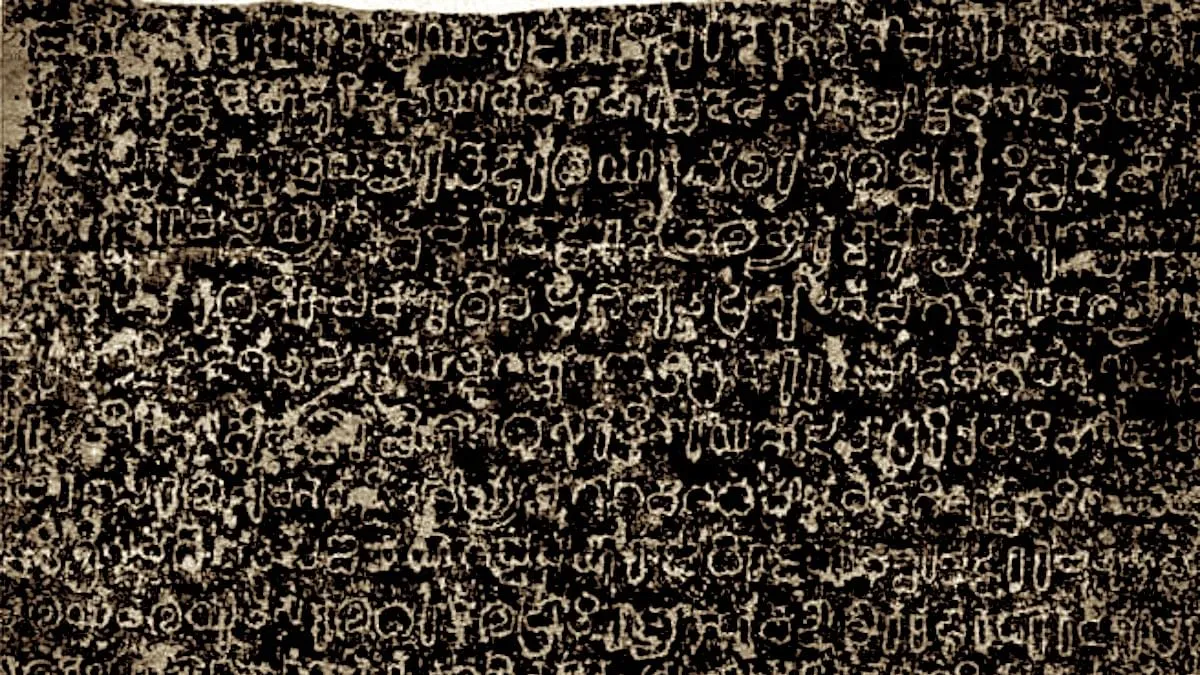
In this extraordinary tale from Saundatti, a town under Ratta dynasty rule, a scholar and poet named Rudrabhatta found himself on the edge of bankruptcy and approached a wealthy moneylender for a loan without any collateral. The moneylender agreed but requested one letter from Rudrabhatta’s name, the letter “Bha,” as collateral. Thus, Rudrabhatta became Rudraṭa…