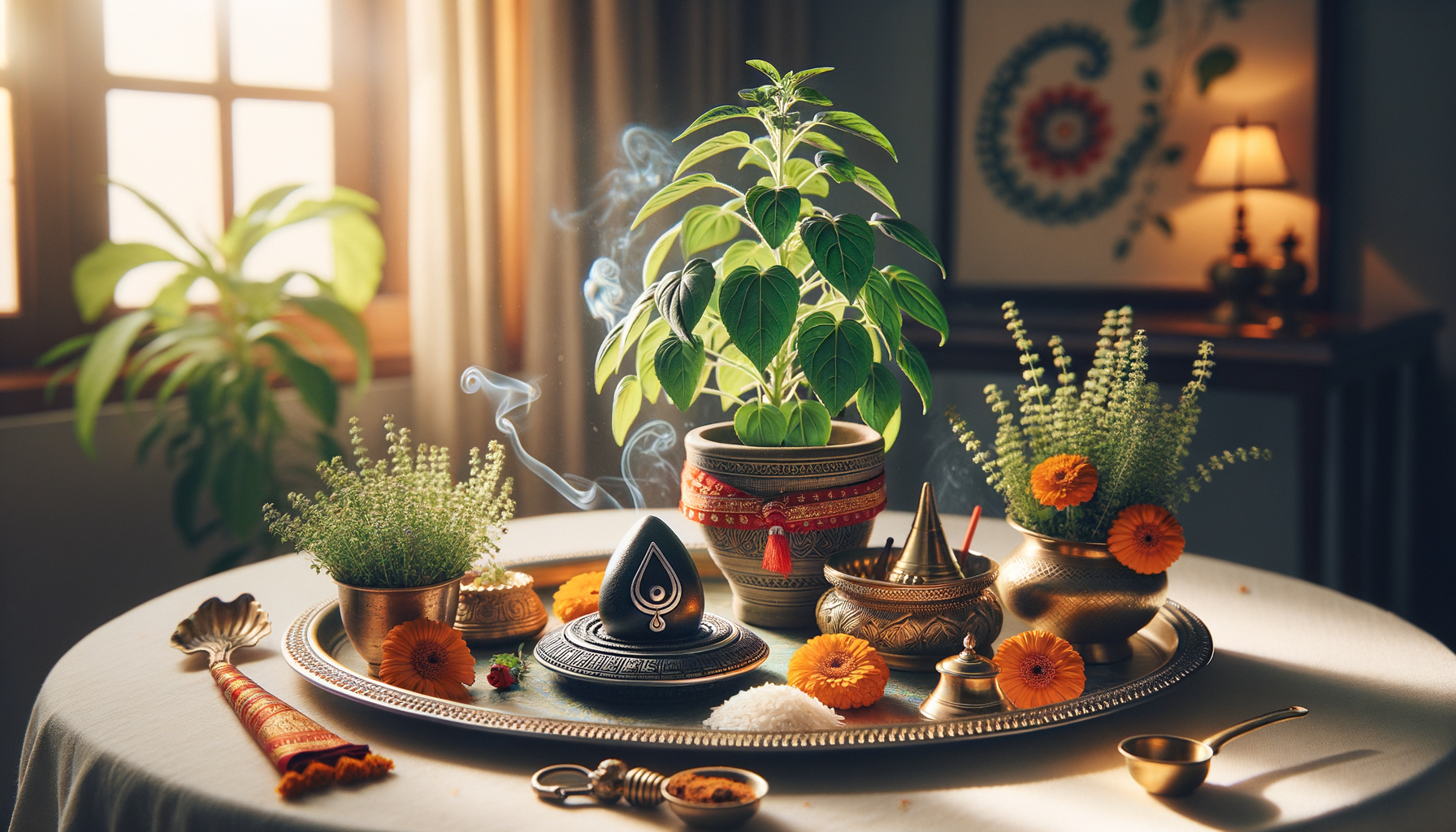
Within Hinduism’s living ritual landscape, the Tulsi Shaligram Puja and Tulsi Vivah occupy a revered place, translating cosmic principles into intimate household worship. These observances honor a sacred union that links the physical and spiritual realms, while nurturing shared valuesdevotion, harmony, and ethical livingthat resonate across dharmic traditions.
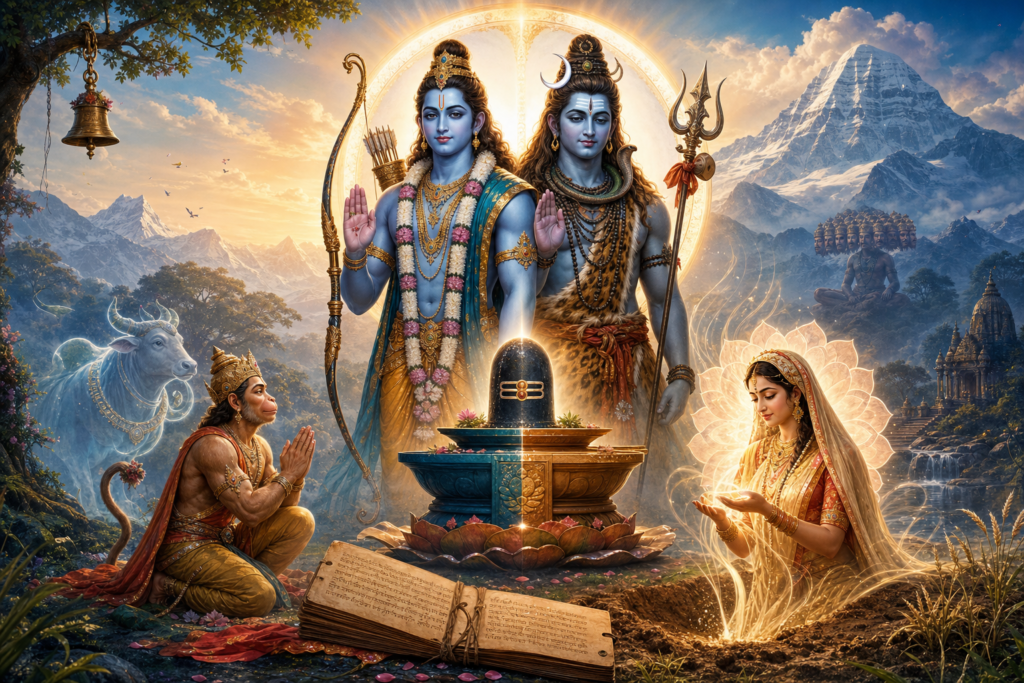
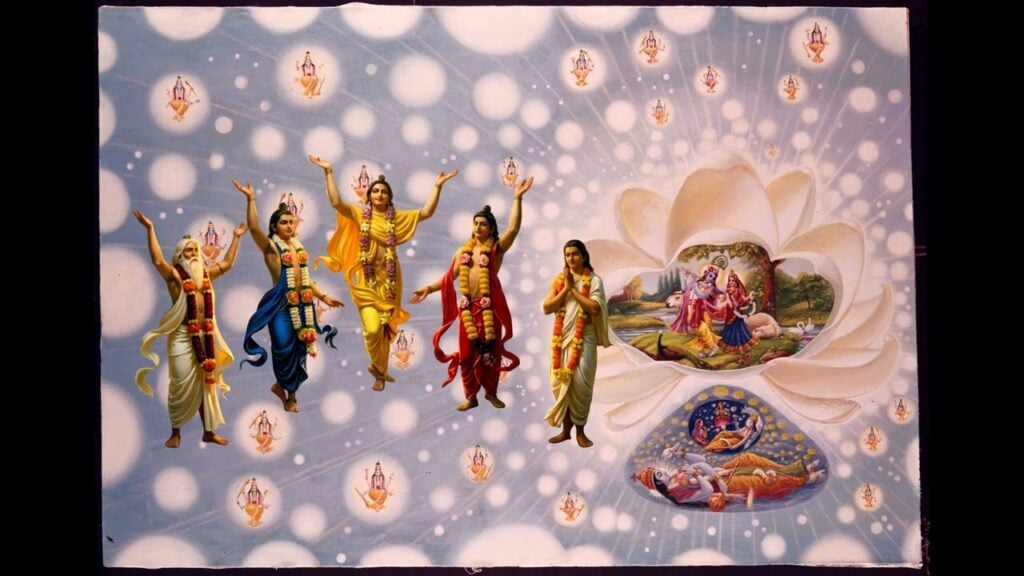
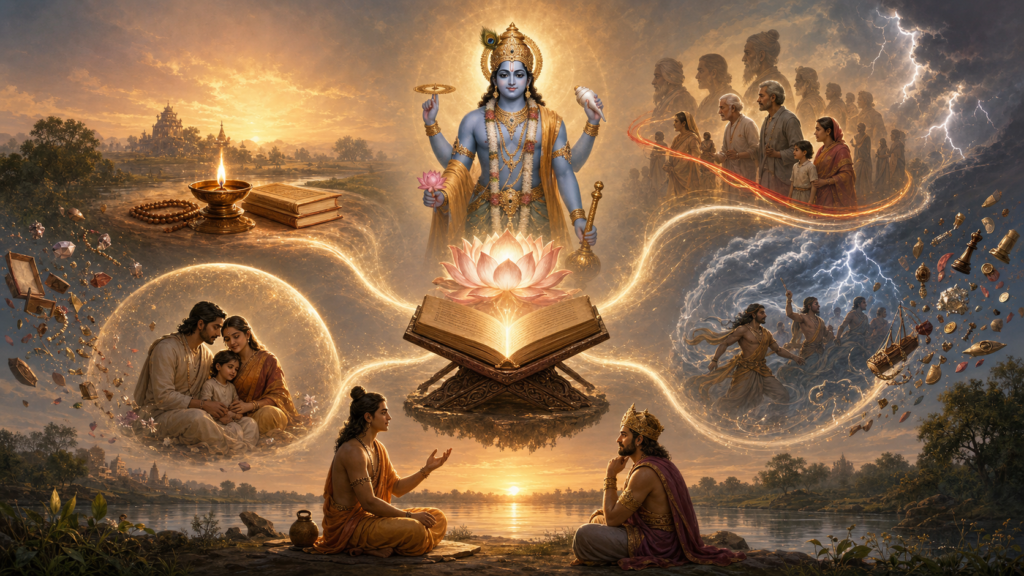
Tulsi (Ocimum sanctum) is venerated as an embodiment of Lakshmi or as Vrinda, while the Shaligram (a sacred ammonite fossil, traditionally from the Gandaki river) is revered as a manifestation of Vishnu. In this pairing, Tulsi is honored as the bride and the Shaligram (or a murti of Sri Krishna) as the groom, a symbolism preserved in Puranic narratives such as the Padma Purana and reaffirmed in household practice.
Typically observed in Kartik Shukla Pakshaon Prabodhini Ekadashi or the following DwadashiTulsi Vivah marks the close of Chaturmas and the auspicious opening of the Hindu wedding season. Regional paramparas vary: some households commence rites on Ekadashi, others on Dwadashi, and community celebrations may extend toward Kartik Purnima. This flexibility reflects the diversity of Hindu traditions while preserving shared devotional intent.
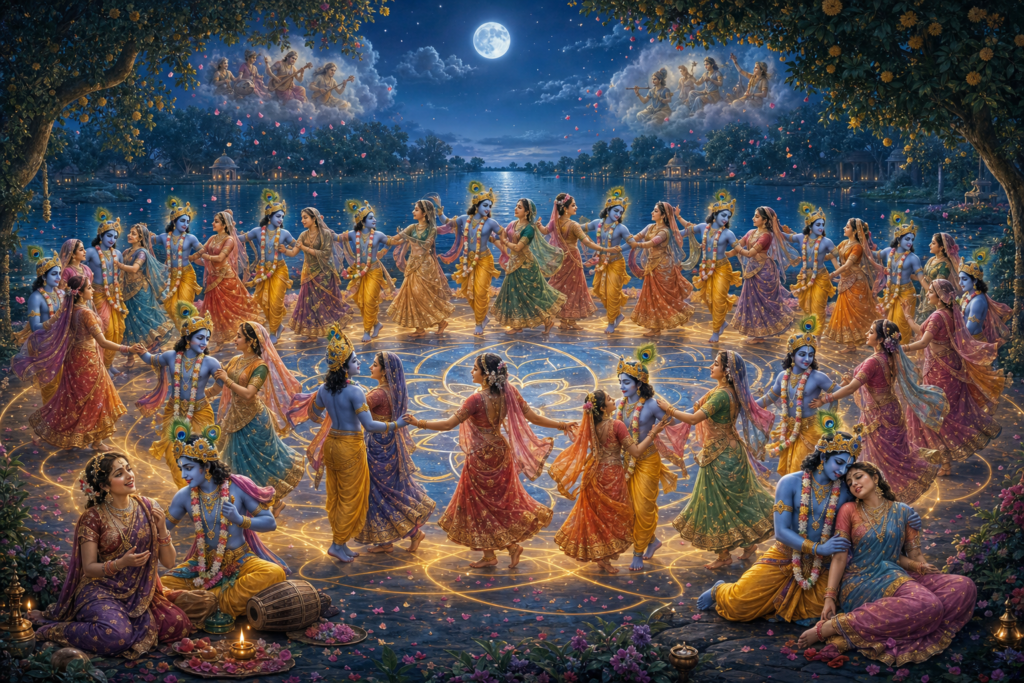
In many homes, the ritual atmosphere is both scholarly and tender: Tulsi is adorned as a bride with a small sari, bangles, and kumkum; the Shaligram is placed on a decorated altar or swung in a tiny cradle as the groom. Vedic mantras, kanyadaan, circumambulation, and aarti are performed as family members sing bhajans. The fragrance of Tulsi, the glow of lamps, and the gentle recitation of prayers foster a sense of household harmony that devotees often recall as profoundly reassuring.
Beyond ceremony, the union communicates layered meanings: the convergence of bhakti and dharma; the sanctification of grihastha life; and the invocation of Lakshmi’s grace for wellbeing, prosperity, and ethical conduct. In this way, Tulsi Vivah becomes a pedagogical ritual that transmits valuesfidelity, care, and responsibilityacross generations.
Mythic accounts narrate Vrinda’s steadfast devotion to her husband Jalandhar and the moral complexities that lead to her transformation into Tulsi, while Vishnu is linked to the Shaligram. Versions vary across texts and regions, yet the enduring teaching is clear: unwavering devotion, moral discernment, and the restorative power of sacred remembrance guide the practitioner toward inner resilience and clarity.
An ecological ethic is inseparable from this rite. Caring for the Tulsi plantwatering, pruning, and daily parikramaembeds reverence for life into household rhythm, supporting pollinators and inviting sattvic living. The emphasis on non-violence and compassion aligns with Jain ahimsa, Buddhist mindfulness of interdependence, and Sikh seva, highlighting shared dharmic commitments to harmonious living and responsibility toward the natural world.
A simple framework for Tulsi Shaligram Puja honors both Panchopachara and Shodashopachara traditions. After preparing a clean altar and taking a sankalpa, devotees purify the space and invite the presence of Vishnu and Lakshmi. Offerings follow a traditional sequencewater, gandha, akshata, flowers, dhupa, deepa, and naivedyawhile Tulsi leaves, dear to Vishnu, are respectfully offered. Circumambulation of the Tulsi plant, recitation of Vishnu Sahasranama or regional stotras, and an aarti conclude the rite, with prasad shared among family and community.
The social dimension is equally vital. Community gatherings, collaborative singing, and intergenerational participation turn the ritual into a cultural classroom, strengthening bonds among neighbors and relatives. In diaspora settings, Tulsi Vivah becomes a focal point for cultural continuity, allowing younger generations to experience the aesthetics and ethics of Hindu rituals.
In essence, Tulsi Vivah and Tulsi Shaligram Puja transmit a unifying vision: devotion expressed through everyday care, symbolism made tangible in the home, and a reverence for nature that bridges households and communities. By celebrating this sacred union, practitioners reaffirm a shared dharmic ethoshonoring diversity in practice while upholding common values of compassion, truthfulness, and unity in spiritual plurality.
Inspired by this post on Hindu Blog.