Dakini-Varnini appears in Hindu stories as a liminal presence often misunderstood through the lens of fear and folklore. While some popular narratives portray such beings as haunting forests and neglected spaces, a careful reading of Tantric traditions reveals a more nuanced picture: these forms serve as protectors at the thresholds of transformation, embodying fierce compassion rather than indiscriminate malice.
Descriptions that associate Ḍākinī with cremation grounds and wild landscapes speak to their role as guardians of the boundary between the known and the unknown. In this context, imagery that seems unsettlingsuch as references to consuming fleshfunctions as symbolic language for transmuting fear, attachment, and ignorance into clarity, courage, and insight. Within dharmic frameworks, these motifs are meant to educate and elevate, not to sensationalize.
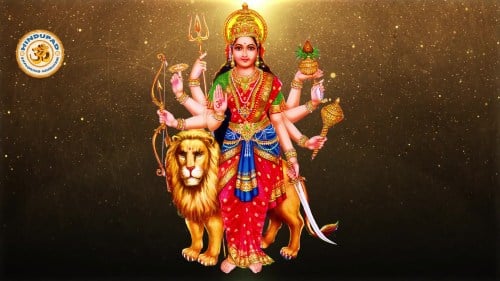
Traditions link the origin of Dakini-Varnini to Goddess Parvati. One revered account situates the moment near Mandakini Lake, where Goddess Parvati descended to bathe and play with her sakhis. In such narratives, the playful, radiant energy (śakti) of Parvati gives rise to protective attendantsfigures later remembered as Dakini-Varniniwho stand as sentinels of sacred order and inner discipline. Variations of this episode exist across texts and regions, yet the thematic current remains consistent: the Divine Mother’s grace manifests guardians who safeguard the path of devotees.
As attendants of the Divine, Dakini-Varnini are frequently associated with the fierce yet benevolent retinues linked to Shiva, Bhairava, and Kali. Their presence highlights a fundamental pedagogical insight of Hindu spirituality: that fear is best met by wisdom, and that the very places society avoidswilderness, cremation grounds, neglected marginsare transformed into sanctuaries of truth when illumined by devotion and discernment.
Mandakini Lake thus functions as more than a picturesque setting; it becomes sacred geography, where cosmic play and compassionate guardianship converge. For many devotees, the image of Parvati among her sakhis evokes serenity and reassurance, while the emergence of Dakini-Varnini signifies steadfast protection on the spiritual journey. The narrative invites readers to perceive the world as layered with meaning, where everyday water, stone, and forest conceal luminous wisdom.
Across the broader dharmic family, this symbolism resonates in different yet complementary ways. In Vajrayana Buddhism, the Ḍākinī often embodies wisdom-in-action, catalyzing insight and liberative energy. In Hindu Shakta traditions, Dakini-Varnini function as attendants of the Devi, channeling fierce compassion for the devotee’s welfare. While Jainism and Sikhism do not share these specific figures, the underlying valuesdiscipline, fearlessness, compassion, and ethical clarityare honored across all four dharmic paths, affirming unity in diversity.
Read with sensitivity, the story reframes “spirits” not as forces of chaos but as emblems of protection and transformation. This perspective supports interrelated dharmic traditions in fostering mutual respect, reducing stigma around sacred-fierce imagery, and strengthening a shared commitment to inner purification and social harmony.
In practical terms, the tale encourages seekers to approach unsettling symbols as invitations to deeper reflection. Cremation grounds evoke impermanence; forests suggest humility before nature; guardians at thresholds remind readers that every transitionemotional, ethical, or spiritualbenefits from vigilance and grace. Such insights remain relevant for contemporary life, where navigating change calls for courage grounded in compassion.
Ultimately, the origin of Dakini-Varnini alongside Goddess Parvati at Mandakini Lake offers a contemplative lens on fear, protection, and spiritual maturation. It affirms that when Divine grace moves through the worldwhether as gentle companionship among sakhis or as the fierce guardianship of Dakini-Varniniseekers find both refuge and resolve, guided toward wisdom that serves the well-being of all.
Inspired by this post on Hindu Blog.