Spiritual thirst is the sustained, whole‑hearted orientation of attention, love, and will toward the Divine or ultimate truthwhether understood as Paramatman, Dharma, Nirvana, or Waheguru. Across the Dharmic traditions of Hinduism, Buddhism, Jainism, and Sikhism, this longing takes practical form as attentive listening to wisdom discourses, devotional singing and remembrance, contemplative inquiry, and ethical living in the spirit of seva.
Unlike passing interest, spiritual thirst matures through consistency and inner discipline. Classical Yoga philosophy names this intensity tivra samvega (Yoga Sutra 1.21), indicating that progress becomes near‑at‑hand when ardor is strong. By contrast, a half‑hearted approach disperses attention and yields tepid results, echoing the time‑tested observation that depth, not dabbling, transforms consciousness.
Equally central is nairantarya abhyase, unbroken practice paired with non‑attachment (vairagya), which stabilizes the mind (Yoga Sutra 1.12). In this light, spiritual thirst is not mere sentiment; it is a cognitive, ethical, and devotional commitment that organizes daily life around the pursuit of Satya and the cultivation of one‑pointedness.
In the Bhakti Tradition, nine modalities of devotion are recommended: śravaṇa, kīrtana, smaraṇa, pāda‑sevana, arcana, vandana, dāsya, sakhya, and ātma‑nivedana (Bhagavata Purana 7.5.23‑24). These translate longing into repeatable actionslistening to sacred teachings, singing the divine name, mindful remembrance, ritual worship, reverent praise, service, friendship with the Divine, and complete self‑offeringmaking devotion measurable and embodied.
Parallels are evident across Dharmic paths. Buddhist pariyatti (study), bhavana (meditation), and metta cultivate the same thirst for liberation. Jain svadhyaya, samayik, and pratikraman refine awareness through non‑violence and introspection. Sikh kirtan, simran, and seva focus longing upon the One while affirming equality through sangat and langar. Unity in diversity thus becomes an operational design for inner transformation, not a mere ideal.
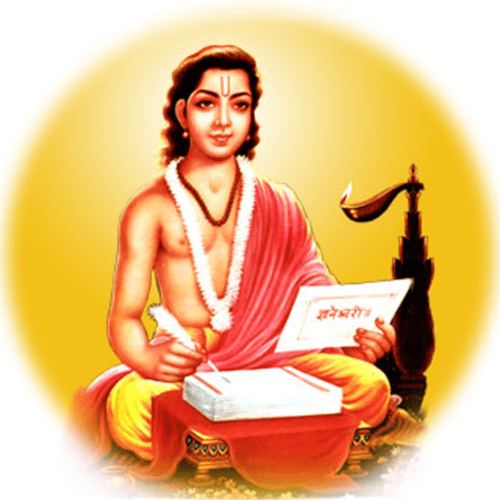
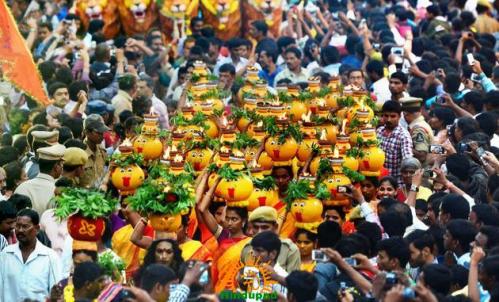
The Varkari saints of western IndiaDnyaneshwar, Tukaram, Namdev, and othersoffer exemplary models of sustained devotion. Their annual Wari to Pandharpur, continuous kirtan, and remembrance of Vithoba demonstrate how ordinary life can be spiritualized through simplicity, humility, and communal song. Their inclusive ethos resonates with Vaishnava Saints elsewhere and aligns with the shared Dharmic emphasis on compassion and service.
A precise understanding of attention deepens this picture. Contemporary cognitive science indicates that sustained contemplative practice strengthens fronto‑parietal attention networks and quiets default‑mode rumination that fuels distraction. Breath awareness and pranayama modulate vagal tone, supporting calm alertness that makes japa, dhyana, and scriptural study more fruitful. In short, devotion and disciplined attention are mutually reinforcing.
To cultivate such steadiness, many practitioners adopt a simple sadhana architecture: morning silence and mantra, midday ethical pause and seva, and evening svadhyaya with reflective journaling. This intentional time‑blocking protects sacred hours from digital noise and builds nairantarya abhyase day by day, transforming aspiration into habit.
Śravaṇa can be structured as focused reading or listening cycles: Bhagavad Gita and Upanishads for Hindu spirituality and Yoga philosophy; Dhammapada and Satipatthana teachings for Buddhist insight; Jain Agamas and Tattvartha Sutra for clarity on karma and ahimsa; and Nitnem selections with Sukhmani Sahib for Sikh devotion. Choosing a single theme per week or month encourages depth over novelty and curates attention for maximum assimilation.
Kīrtana and bhajans channel emotion into reverence. Sikh kirtan similarly elevates the heart through ragas, while Buddhist and Jain chanting stabilize attention with rhythm and breath. Group singing in satsang or sangat multiplies focus and motivation, illustrating why supportive community is a consistent catalyst for inner transformation across Dharmic traditions.
Japa anchors the mind through repetition of bija or nama. Whether employing a mala for the divine name, taking refuge in the Triple Gem, reciting the Jain Namokar Mantra, or practicing Sikh Waheguru simran, the mechanism is convergent: one‑pointedness replaces mental scattering, and remembrance gradually becomes spontaneous amid daily tasks.
Dhyana refines this one‑pointedness by moving from gross to subtle objects of awareness. Practices range from Patanjalian dharana‑dhyana‑samadhi progressions to Buddhist anapanasati and Jain preksha meditation. Mindfulness practices such as satipatthana complement these methods, and even a brief breath awareness session before and after japa measurably improves stability and clarity.
Seva operationalizes love. Karma Yoga, Buddhist dana, Jain jiv‑daya, and Sikh langar embody the same principle: when action is performed without selfish grasping, the heart opens and thirst intensifies in a wholesome, sustainable way. Ethical giving prevents devotion from collapsing into sentimentality and integrates realization with responsibility.
Satsang, sangha, and sangat sustain momentum through accountability, shared joy, and guidance. The Guru‑Shishya Tradition, when approached with discernment, integrates humility, questioning, and service. The Bhagavad Gita recommends respectful inquiry and service to realized teachers in 4.34, framing learning as a living relationship rather than mere information transfer.
Because temperaments vary, the Ishta concept allows personalization without sectarianism. A bhakta may be drawn to Krishna’s sweetness, a yogi to Shiva’s stillness, a seeker to the formless Brahman, or a devotee to the Shabad Guru. This flexibility honors individual samskaras while preserving fidelity to Dharma and to unity in spiritual diversity.
Ethical foundations make attention reliable. The yamas and niyamas of Yoga, the Buddhist sila, the Jain mahavratas and anuvratas, and the Sikh Rehat Maryada converge upon non‑violence, truthfulness, moderation, and purity. When conduct aligns with conscience, inner conflict abates and the mind naturally inclines to remembrance and contemplative absorption.
Pilgrimage, vrata, and festival cycles transform time into a teacher. The Wari of the Varkari, Vesak in Buddhism, Paryushana in Jainism, and Gurpurab commemorations in Sikhism all concentrate communal energy upon gratitude, repentance, and resolve. Properly understood, these occasions renew spiritual thirst rather than replace daily practice.
Common obstacles today include spiritual tourism, information overconsumption, and algorithm‑driven distraction. Simple correctives help: digital fasting before sunrise, a single‑text study rule per month, a defined mala count for japa, and device‑free satsang hours. These guardrails protect one‑pointedness from fragmentation and make space for inner transformation.
Experiences reported across communities are remarkably consonant. A young professional managing heavy workloads finds that 15 minutes of breath awareness and simran before commuting resets the day. A student balancing exams and family duties experiences steadier focus after adopting a weekly kirtan hour and nightly Gita reading. An elder deepens serenity through Jain pratikraman and gentle seva in a clinic. In each case, thirst is nourished by consistency, not volume.
Progress benefits from measurement. Journaling after practice reinforces learning and reveals patterns. A 40‑day vrata with clear inputsmala counts, minutes of meditation, pages of svadhyaya, seva tasksbuilds confidence and makes the intangible tangible. Many extend this to a 90‑day nairantarya abhyase cycle to stabilize habits at a trait level.
Spiritual thirst matures from emotion into vision. What begins as a longing to feel close to the Divine ripens into an unconditional commitment to truth, compassion, and wisdom for the benefit of all beings. This maturity is mirrored in traditions that reconcile bhakti with jnana, devotion with insight, and love with discernment.
When approached with sincerity, inclusivity, and disciplined joy, spiritual thirst becomes inexhaustible. It is quenched not by satiation but by transformation: attention grows steady, the heart grows spacious, and life itself becomes an offering. Across Dharmic traditions, this is the shared promise and practice of an unshakable, heartfelt devotion.
Inspired by this post on Hindu Pad.