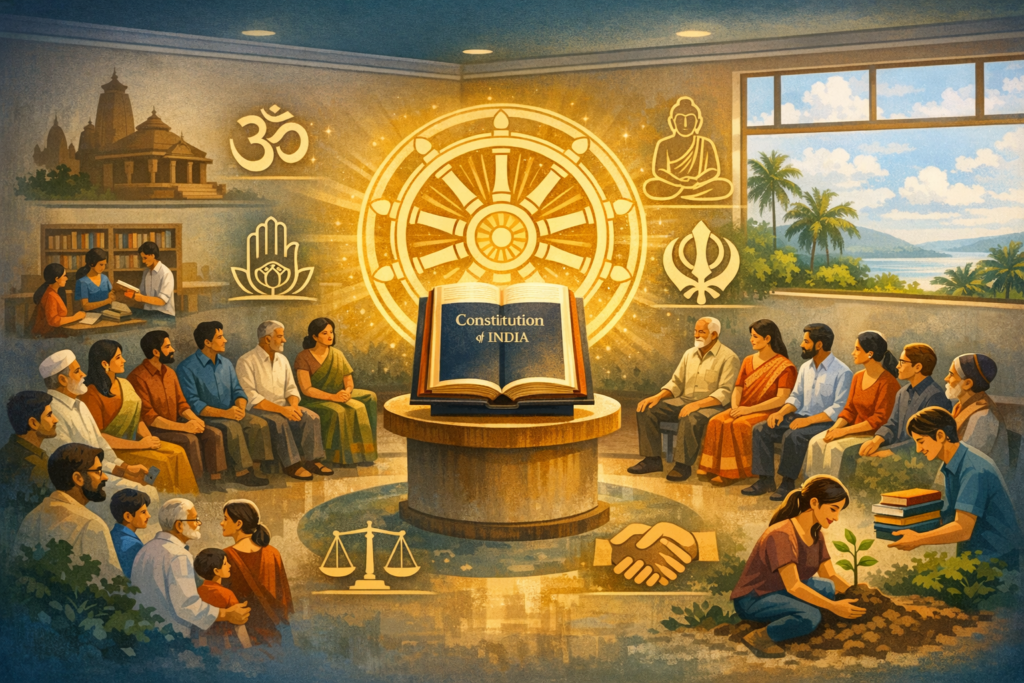
Ugadi in 2026 falls on Thursday, 19 March, and with its sunrise the Parabhava Nama Samvatsara commences in the 60-year cyclical reckoning preserved in Telugu and Kannada Panchangam traditions. The transition is not merely calendrical; it marks a collective sankalpa to align conduct, sadhana, and community life with dharmic ideals. This guide assembles time-tested, scripturally grounded remedial measures (parihara) that are widely observed across Bharatiya traditions, presented in an inclusive spirit that honors the shared ethical core of Hinduism, Buddhism, Jainism, and Sikhism—dharma, ahimsa, maitri, seva, and satya.
In Sanskrit, “Parabhava” denotes defeat or decline; classical sources also use the term to signify the spiritual fallout of ignorance until self-inquiry begins. Within the Samvatsara context, Parabhava encourages humility, course-correction, and disciplined renewal rather than fear. Traditional almanacs describe such a year as one that rewards steadiness, ethical restraint, and collective service, while cautioning against impulsive expenditure, pride, and neglect of elders and teachers. The remedial architecture below is framed to enhance auspiciousness for households and communities while recognizing that individual horoscopes (janma-rashi, lagna, and ongoing dashas) modulate personal outcomes.
Five pillars organize effective yearly remedies: mantra (sound), vrata (observance), dāna (charity), upāsana (worship/contemplation), and seva (service). These correspond to well-known modes of spiritual practice across dharmic lineages—devotional recitation, mindful discipline, generous giving, inward reflection, and compassionate action. Together, they stabilize Aaya–Vyaya (income–expenditure) tendencies at the household and community level, encourage mental clarity, and prevent avoidable losses during Parabhava Nama Samvatsara.
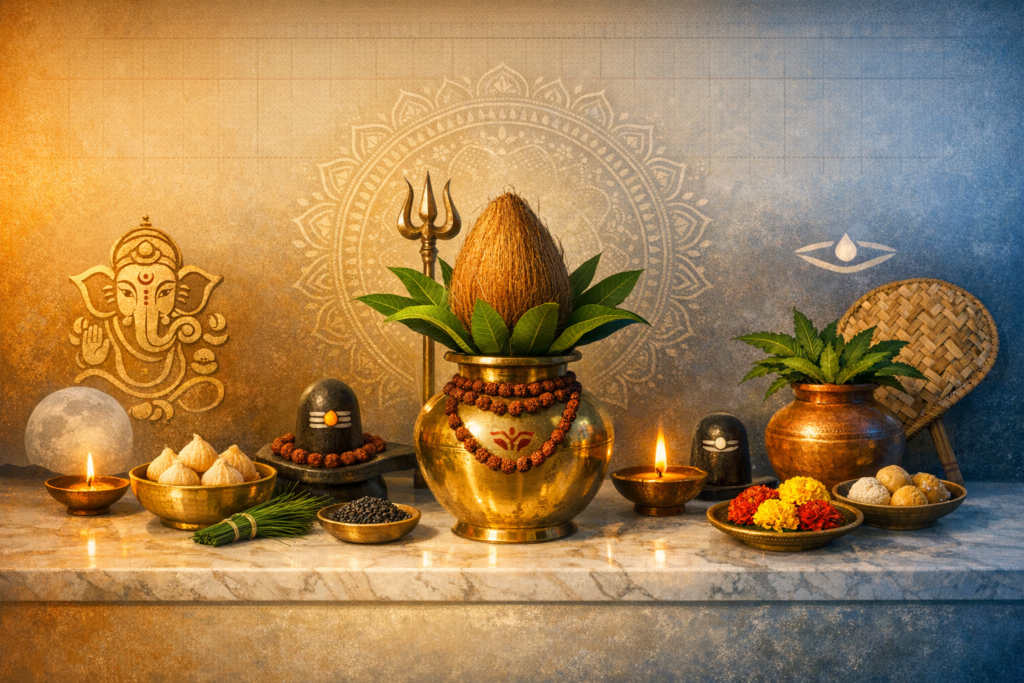
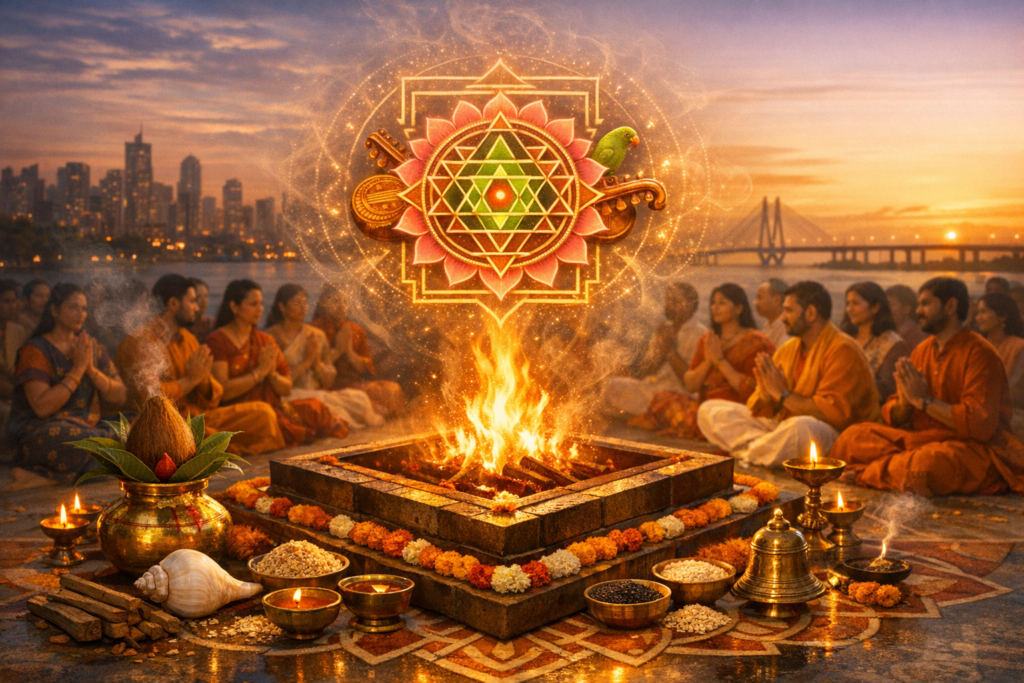
Ugadi observances establish the tone of the year. Customarily, homes are cleansed, entrances adorned, and a simple kalasha or lamp is installed. After an early bath and sankalpa—“Parabhava-nāma-samvatsare … vrataṁ kariṣye”—households perform puja to Kuladevata and Ishta, offer respects to parents and elders, and, in Telugu and Kannada regions, partake of Ugadi pachadi/Bevu-Bella, symbolizing equanimity toward life’s mixed flavors. Reading the local Panchang, noting Tithi–Vāra–Nakshatra–Yoga–Karana for the day, and setting a realistic Aaya–Vyaya plan for the year are considered prudent.
Because the Samvatsara interacts with planetary transits, tradition recommends a gentle Navagraha orientation throughout the year. The following graha-aligned remedies are widely practiced, simple, and safe, focusing on inner steadiness and ethical alignment rather than ritual complexity. Wherever possible, remedies are paired with seva and dāna, reflecting a dharmic unity shared by Hindu, Buddhist, Jain, and Sikh ethos—compassion, restraint, and service to society.
Surya (Sun): Offer a small arghya of clean water at sunrise on Sundays, recite Aditya Hridayam or “Om Sūryāya Namaḥ,” and practice Surya Namaskar within personal capacity. Donate wheat or jaggery as available, honor time discipline, and cultivate integrity in public dealings. Such steadiness counters lethargy and strengthens leadership qualities in a year that otherwise cautions against complacency.
Chandra (Moon): On Mondays, maintain gentle routines that cool the mind—short evening meditation, kindness in speech, and early rest. Recite “Om Somāya Namaḥ,” perform simple Shiva abhisheka with water where appropriate, and donate rice or milk products mindfully, avoiding waste. Emotional balance mitigates reaction-driven choices that often precipitate “defeats” implied by Parabhava.
Mangala (Mars): On Tuesdays, channel initiative into constructive protection and service—support community safety, first-aid awareness, or blood donation camps organized responsibly. Recite “Om Angārakāya Namaḥ” or Hanuman Chalisa; donate red lentils; avoid needless confrontation. Directed courage reduces impulsive losses and repairs strained relationships.
Budha (Mercury): Wednesdays favor study, listening, and clear documentation. Recite “Om Budhāya Namaḥ,” read a portion of Vishnu Sahasranama, and support a child’s education through books or fees. Donate whole green gram; keep financial records organized. Sound counsel and transparent communication protect Aaya–Vyaya balance during Parabhava Nama Samvatsara.
Guru (Jupiter): On Thursdays, honor teachers—living mentors and scriptural Gurus alike. Recite “Om Brīṁ Bṛhaspataye Namaḥ,” read one chapter from the Bhagavad Gita or a dharmic text, and practice anna-dāna as feasible. Donate chana dal or turmeric; commit to one steady act of weekly seva. Guidance and gratitude fortify judgment and long-horizon prosperity.
Shukra (Venus): Fridays invite harmony in home and aesthetics without indulgence. Recite Sri Sukta or “Om Shukrāya Namaḥ,” support arts or artisans ethically, and donate white clothing or sweets. Courtesy toward partners and colleagues, together with ahimsa in choices, refines relationships—a frequent source of hidden “expenditure” in challenging years.
Shani (Saturn): Saturdays prioritize discipline, humility, and care for those who toil. Light a sesame oil lamp at dusk, recite “Om Śaṁ Śanaiścarāya Namaḥ,” and serve elders, workers, and persons in hardship. Donate black sesame or footwear; keep promises precisely. Patient, consistent effort transforms the “defeat” motif of Parabhava into durable growth.
Rahu: Periodic recitation of Durga Saptashati sections or “Om Rāhave Namaḥ,” mindful media consumption, and fasting from gossip reduce confusion. Donate blankets or assist persons navigating uncertainty (migrants, job seekers) via skill-sharing. Clear boundaries and sattvic habits keep strategy sharp.
Ketu: Ganesha upasana—Ganesha Atharvashirsha or “Om Ketave Namaḥ”—cultivates detachment and incisive insight. Sponsor animal care where ethically run, or plant a neem, peepal, or banyan sapling with follow-up watering. Minimalism in a Parabhava year curbs scattered effort and protects spiritual focus.
Monthly cadences further stabilize the year. On Amavasya, honor ancestors with simple tarpana where customary and practice quiet contemplation; on Purnima, many households perform Satyanarayana puja or collective satsang. Pradosha evenings foster Shiva upasana; Sankranti days encourage food sharing. Each observance is adaptable within dharmic diversity—Jain pratikraman, Buddhist metta meditation, Sikh seva and langar—all reinforce the same ethical spine.
Vaastu-samskara at home can remain simple: a clean threshold, a lamp at dusk, a Tulasi plant where feasible, and uncluttered study spaces. Such material order mirrors inner order and complements Panchang-aware planning. In Aaya–Vyaya terms, it supports lower frictional loss—misplaced bills, missed deadlines, and impulsive buying—common triggers during a year that demands sobriety.
Ayurveda and yoga provide practical, nonsectarian support. A consistent dinacharya (wake, meals, and sleep at steady times), gentle pranayama (especially nadi shodhana), and a weekly digital sabbath calm rajasic overreach and tamasic drift. When aligned with ethical vows—truthful speech, mindful consumption, and restraint—these habits convert Parabhava’s cautionary undertone into a springboard for resilience.
Community-facing remedies are especially potent in Parabhava Nama Samvatsara. Organize or contribute to tree-planting, water-body cleanups, book drives, or skill-building circles. Such seva expresses the shared heart of Hindu, Buddhist, Jain, and Sikh traditions, turns individual anxiety into collective purpose, and, in the language of Aaya–Vyaya, creates “merit surplus” that communities tangibly feel—lower conflict, higher trust, better outcomes.
Regionally rooted customs deserve care. In Telugu homes, Ugadi pachadi’s six rasas rehearse equanimity for the year; in Kannada households, Bevu-Bella conveys similar wisdom. Keeping these practices unchanged in language and method preserves cultural memory while embodying universal lessons: accept change, maintain equipoise, and act with compassion.
A practical yearly plan helps. List fixed observances (Ugadi, Amavasya–Purnima, Sankranti, Navratri), choose one or two manageable weekly graha remedies, set a household budget that earmarks a steady dāna portion, and track outcomes quarterly. Panchang awareness paired with accountable routines anchors prosperity and reduces volatility that Parabhava symbolism cautions about.
In summary, Parabhava Nama Samvatsara (2026–2027) invites humility, clarity, and service. With Ugadi on 19 March 2026 as the threshold, households and communities can cultivate auspiciousness through mantra, vrata, dāna, upāsana, and seva—expressed in ways authentic to Hindu, Buddhist, Jain, and Sikh lineages. When remedies are coupled with ethical living, disciplined planning, and care for one another, the year’s challenges transform into catalysts for inner strength and shared wellbeing.
Inspired by this post on Hindu Pad.