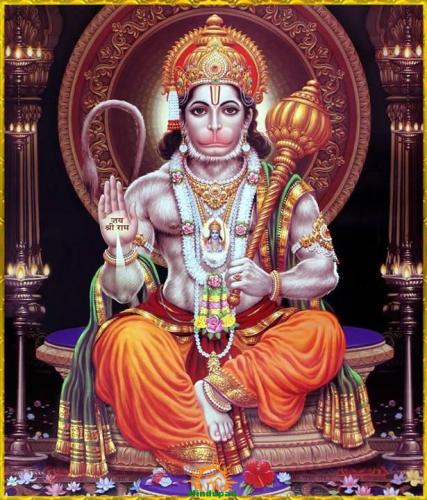
Panchamukhi Hanuman occupies a singular place in the spiritual imagination of the subcontinent, embodying devotion, courage, and disciplined self-mastery. Within Hindu traditionsand in dialogue with related dharmic streamsthis five-faced manifestation becomes a sophisticated guide to regulating the five senses (indriyas) and channeling awareness toward higher purpose. Read as symbolism and as sadhana, Panchamukhi Hanuman offers an integrative pathway that is devotional, contemplative, and ethical at once.
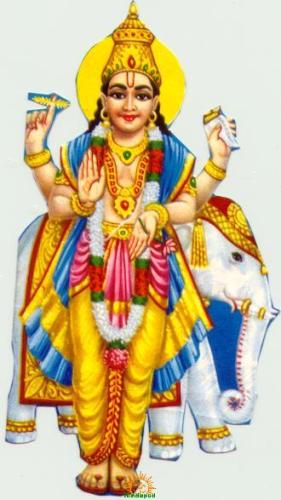
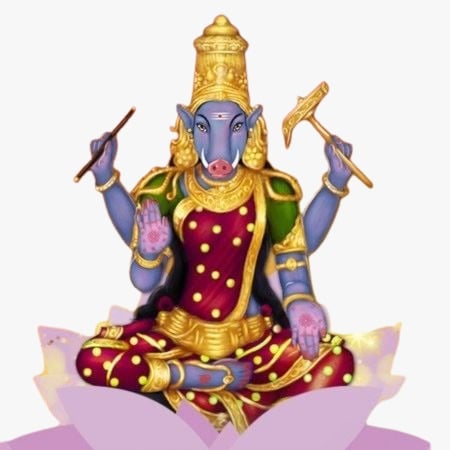
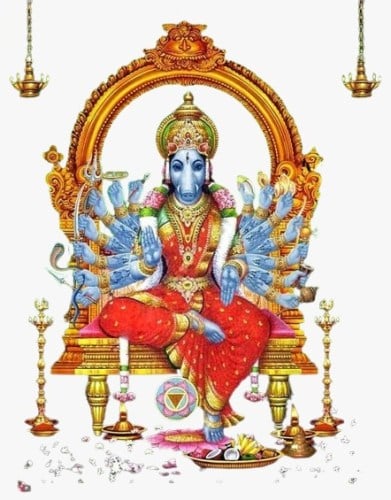
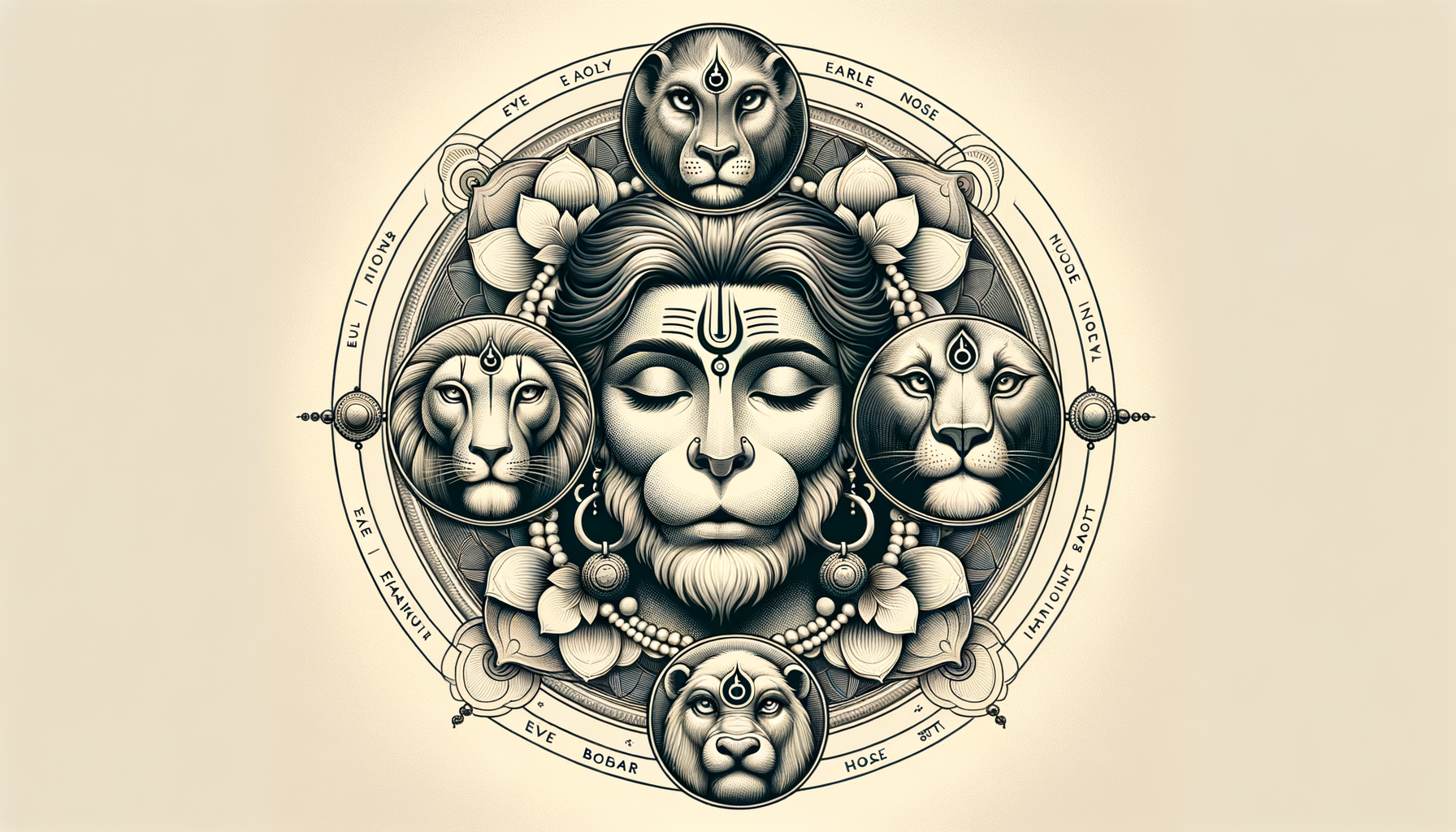
Classical iconography presents five faces oriented to the cardinal directions and the zenith: Hanuman (east), Narasimha (south), Garuda (west), Varaha (north), and Hayagriva (upward). Each face communicates a distinctive qualityunwavering service, protective strength, vigilant discernment, restorative stability, and luminous knowledge. Together they constitute a holistic map of inner governance, reminding practitioners that sense-restraint is not suppression but intelligent redirection of energy.
Interpreted through the lens of yoga and vedanta, the five faces parallel the five sensessight, sound, smell, taste, and touchand their subtle pull on attention. The teaching emphasizes pratyahara, the conscious turning inward, as a key to mastery. Rather than allowing perception to scatter awareness, pratyahara recollects the mind, making it available for focus (dharana), meditation (dhyana), and insight (jnana). In this way, Panchamukhi Hanuman becomes a living metaphor for disciplined perception that serves dharma.
Breath regulation (pranayama) supports this inward turn. Even-paced breathing, gentle lengthening of the exhale, and attentive pauses cultivate steadiness, downregulate reactivity, and refine sensory intake. Mantra recitation associated with Hanuman, undertaken with sincerity and ethical intent, further stabilizes the mind. Over time, the senses shift from being drivers of distraction to instruments of clarity.
Devotion (bhakti) deepens the process by aligning personal will with a larger moral center. In the Hanuman tradition, service (seva), humility, and fearlessness are not sentimental ideals but practical disciplines that reshape habits of perception. When actions are anchored in truthfulness and compassion, the senses participate in, rather than oppose, inner equilibrium.
Comparable ideals appear across dharmic traditions, reinforcing a shared civilizational ethic. Buddhism speaks of indriya-samvara (guarding the sense faculties) as mindfulness-in-action; Jainism cultivates gupti and samiti (governance of mind, speech, and body) to reduce harm and purify intent; Sikh teachings caution against the ‘five thieves’ (kama, krodha, lobha, moha, ahankara) and encourage remembrance (simran) and righteous conduct. Read together, these frameworks affirm a common aspiration: to refine sensory life into a vehicle for wisdom and harmonious living.
A practical framework emerges from this shared wisdom: observe, regulate, and redirect. Observation notes the first stirrings of sensory craving or aversion; regulation introduces gentle boundaries through breath, posture, and attention; redirection channels energy into constructive aimsstudy, seva, contemplative inquiry, and ethical speech. Practiced consistently, this sequence strengthens agency and fosters emotional balance.
Psychologically, mastery over the senses supports focus, resilience, and measured response under pressure. Ethically, it nurtures non-harming, reliability, and respectqualities that stabilize families and communities. Spiritually, it prepares the ground for steady meditation, allowing subtle insights to arise without the turbulence of unexamined impulses.
Ritual engagement with Panchamukhi Hanumanthrough darshana, simple home worship, or temple observancescan be integrated with contemplative practice. The ritual form evokes reverence, while the contemplative disciplines refine perception; together they bridge outer devotion and inner transformation. For many in the diaspora and at home, this synthesis offers a coherent, culturally rooted path to well-being amid modern sensory overload.
Ultimately, Panchamukhi Hanuman symbolizes an inclusive, dharmic pedagogy: the senses are educated, not denied; devotion is active, not passive; knowledge is embodied, not abstract. In honoring this symbol alongside parallel teachings in Buddhism, Jainism, and Sikhism, a unifying message becomes clearsteady awareness, ethical strength, and compassionate service are the hallmarks of true mastery over the indriyas.
Inspired by this post on Hindu Blog.