
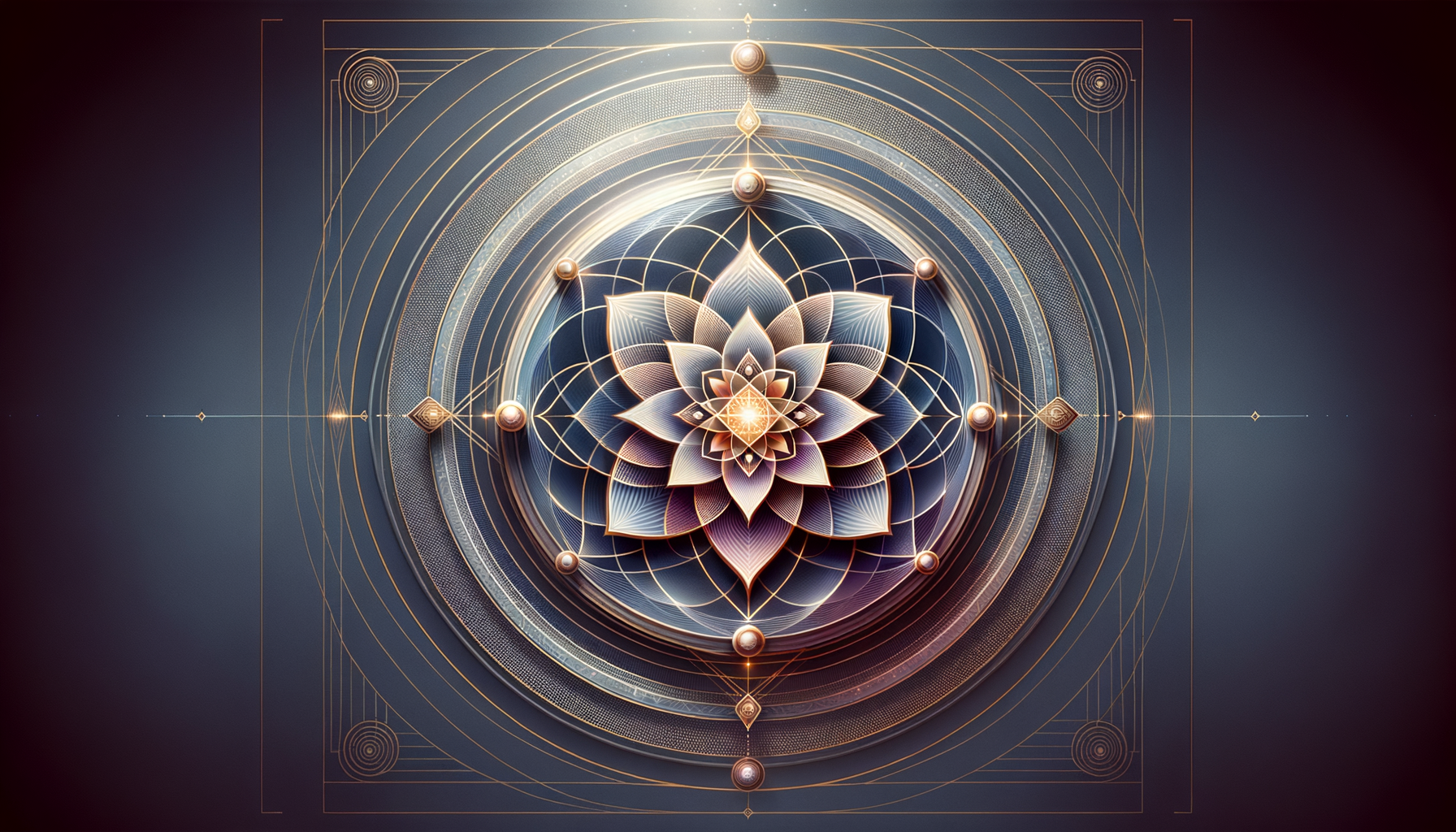
The Kali Yantra is a profound expression of sacred geometry, traditionally composed of a bhupura (square enclosure), interlacing triangles, concentric circles, lotus petals, and, at its heart, a bindu or central dot. Each element contributes to a layered map of consciousness that guides contemplation from multiplicity to unity. In meditative and ritual settings, the diagram functions as both symbol and practice, aligning attention with the rhythm of creation, preservation, and dissolution associated with the dynamic presence of Shakti.
At the center, the bindu symbolizes the source of all existencethe still point from which everything emerges and to which everything returns. As a focal point, it cultivates one-pointedness and inner clarity, inviting the practitioner to rest attention in undivided awareness. Many practitioners describe an experience of grounded calm and expansive compassion when resting the gaze on the bindu, a felt sense that the personal and the cosmic are not separate. Such contemplative recognition resonates across dharmic traditions, where a still center is honored as a gateway to insight and release from fragmentation.
The outer square, or bhupura, marks a threshold between the sacred space of the yantra and the shifting conditions of everyday life. It represents stability, protection, and ethical boundaries, much like a temple precinct that prepares the mind for deeper focus. Progressing inward, concentric circles evoke cyclical time, the turn of cosmic rhythms, and the protective wholeness of completeness. Moving from circle to circle mirrors an inner journey from peripheral distractions toward the coherence of centered awareness.
Triangles in the Kali Yantra convey the interplay of transformative energies. Downward-facing forms often signify receptive, nurturing power, while upward-facing forms emphasize dynamic, ascending force. Their patterning gestures toward harmonious union within polarityheat and coolness, movement and stillness, action and contemplation. This equilibrium is not abstract; it can be perceived in practice as the mind balances steadiness with alertness, allowing insight to arise without strain.
Lotus petals frame the inner design, symbolizing purity and unfolding consciousness. Like a lotus that blossoms unstained from the water, awareness can open in the midst of complexity without losing clarity. For many, tracing the petals inward while synchronizing with the breath helps soften mental turbulence and deepen concentration. The lotus motif, familiar across Hindu, Buddhist, and Jain art, underscores a shared dharmic appreciation for wisdom that emerges through compassion and resilient presence.
Engaging the Kali Yantra as a contemplative practice often follows a simple movement: begin at the square’s threshold, travel through circles and petals, attune to the geometry of triangles, and arrive at the bindu. This inward progression supports meditation, anchoring attention and harmonizing breath, sensation, and insight. Practitioners frequently report improved focus, emotional balance, and a felt connection to the divine feminineShaktias the yantra becomes a living mirror of inner transformation.
As a sacred symbol, the Kali Yantra is also encountered in ritual settings, temple art, and mindful home altars. When approached respectfully, it embodies a non-sectarian invitation to contemplative depth. Across dharmic lineagesHindu, Buddhist, Jain, and Sikh communitiesthe principles of disciplined attention, ethical grounding, and compassionate action are valued. Sacred geometry serves as a unifying language for these shared values, offering a contemplative bridge that honors diversity while affirming common spiritual aspirations.
In essence, the Kali Yantra is not only an image to observe but a process to inhabit. Its symbolism refines perception; its structure trains attention; its center reminds that unity quietly holds all forms. For those drawn to meditation, Hindu symbols, and the wisdom of sacred geometry, the yantra offers a clear, accessible path: move inward, meet the bindu, and recognize the quiet wholeness that informs a meaningful, compassionate life.
Inspired by this post on Hindu Blog.
