According to the Panchang (Hindu Calendar), Sunday, January 18, 2026, observes Amavasya tithi (the no-moon day) in most regions. This daily Hindu calendar update offers concise tithi timings alongside context that helps readers plan observances and reflections with clarity.
Amavasya tithi prevails for the entire day on January 18 and continues until 1:08 AM on January 19. Thereafter, Shukla Paksha Pratipada (the first lunar day of the waxing or light phase of the Moon) begins and remains in effect until 1:59 AM on January 20.
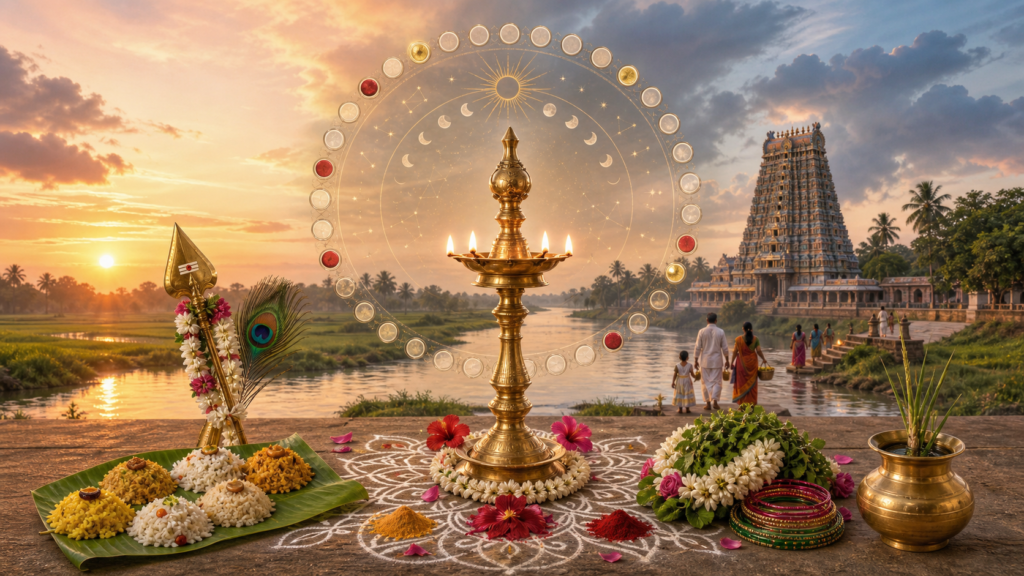
Amavasya traditionally invites quietude, introspection, and gentle renewal. Many households find that simple practiceslighting a lamp at dusk, quiet meditation, or acts of sevabring a sense of calm and alignment. Such reflective rhythms resonate across dharmic traditions, where stillness, compassion, and mindful living are held in common esteem.
With the onset of Shukla Paksha Pratipada after 1:08 AM on January 19, the lunar cycle turns toward growth. This waxing phase is often associated with steady beginnings, learning, and constructive momentum. Readers who align personal routines or spiritual disciplines with the lunar rhythm may find this transition a meaningful moment to set clear, balanced intentions.
While this note highlights the tithi, details such as Nakshatra, Rashi, and any region-specific “Good Time” (Shubh Muhurat) can vary depending on local calculations and time zones. For precision, it is advisable to consult a regional Panchang or a trusted temple notice board for Nakshatra, Rashi, and muhurta information relevant to one’s location.
Readers often observe that Amavasya supports clearing and organizingspiritual journaling, uncluttering a space, or completing small pending tasksso that Shukla Paksha can begin on a composed, purposeful note. Such mindful planning helps translate calendar awareness into daily wellbeing without haste or excess ritualization.
Given that Panchang computations may differ by tradition and locale (e.g., sunrise-based adjustments), small variations in reported timings can occur. Cross-checking with a local almanac ensures alignment with community practice, especially when coordinating family observances or temple visits.
Across the dharmic spectrumHinduism, Buddhism, Jainism, and Sikhismvalues of inner discipline, compassion, and service underscore the spirit of days like Amavasya and the fresh arc of Shukla Paksha. Approached with humility and inclusivity, the calendar becomes a shared guide to contemplation, harmony, and collective uplift.
Inspired by this post on Hindu Blog.