This overview presents a clear, practical lens for identifying auspicious days for Makara Rashi in 2026, offering step-by-step guidance rooted in Vedic astrology and the Hindu calendar. It highlights how mindful alignment with Tithi, Nakshatra, Yoga, and Karana can support timely decisions while honoring shared dharmic values across Hinduism, Buddhism, Jainism, and Sikhism through reverence for cosmic rhythms.
Makara Rashi is the tenth sign (Rashi) in Vedic astrology. It encompasses Uttarashada Nakshatra (2, 3 & 4 quarters), Shravana Nakshatra (1, 2, 3 & 4 quarters), and Dhanishta Nakshatra (1 and 2 padas). In Vedic practice, auspiciousness is determined by the Moon sign (Chandra Rashi) and Janma Nakshatra rather than the Western Sun-sign framework; consequently, broad references to December–January are only approximate and should not replace a personalized Panchang-based assessment.
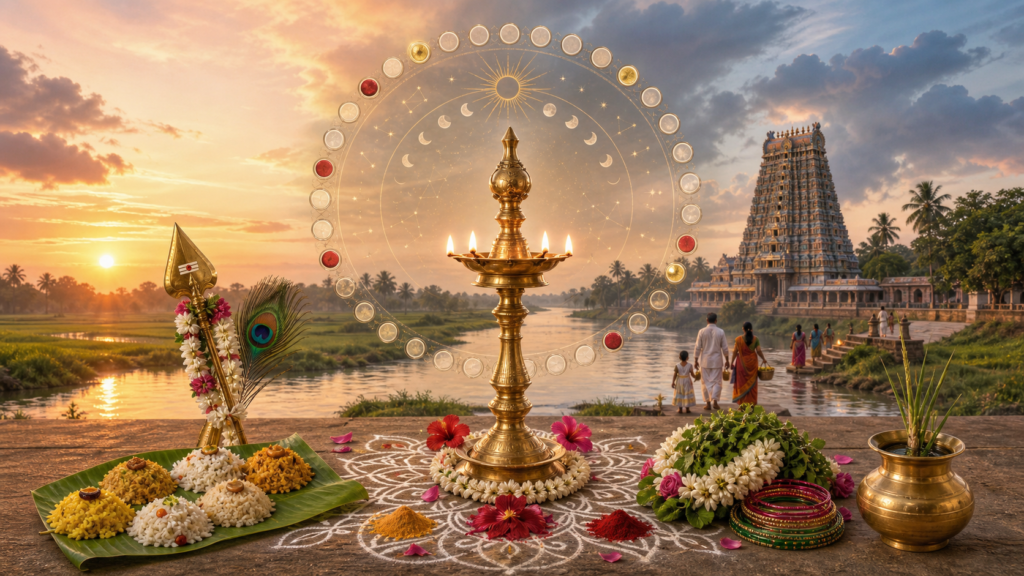
In 2026, auspicious days (shubha muhurat) for Makara Rashi are identified by synthesizing the five limbs of the PanchangTithi (lunar day), Vara (weekday), Nakshatra (lunar mansion), Yoga, and Karanaalong with the native’s Janma Nakshatra. Days featuring supportive Tithis, a favorable ruling Nakshatra, and Shubha Yogas generally strengthen clarity and steadiness for new undertakings, travel, study, and sacred observances.
A practical approach serves best. First, confirm the Janma Nakshatra: for Makara Rashi this will fall within Uttarashada (quarters 2–4), Shravana (all four quarters), or Dhanishta (padas 1–2). Next, consult a reliable 2026 Panchang to locate dates when the ruling Nakshatra aligns with Janma Nakshatra or its friendly counterparts. Then, prefer inherently auspicious Tithis for new beginnings while exercising care around Rikta Tithis (Chaturthi, Navami, Chaturdashi) for sensitive ventures. Finally, prioritize days featuring Shubha Yogas and favorable Karanas, adjusting to the purpose at hand (education, travel, finance, ceremonies).
Makara Rashi, governed by Shani (Saturn), often benefits from days that encourage discipline, longevity, and steady effort. Many practitioners find Saturdays meaningful for resolve-building commitments, reflective sadhana, and acts of seva, aligning the day’s temperament with Makara’s grounded ethos. This is not a rigid rule, but a lived observation that complements Panchang-based selection.
Major observances can serve as spiritual anchors. Makara Sankranti 2026 naturally resonates with Makara symbolism and seasonal transition. Likewise, periods when Shravana Nakshatra prevails invite contemplative worship (notably of Shri Vishnu or Mahadeva, per family tradition). Such observances, observed with sincerity, offer psychological centering that many devotees describe as calm, focused, and purposeful.
Across dharmic traditions, attention to lunar cycles cultivates mindfulness and unity. Hindu, Buddhist, and Jain communities share a respect for sacred timings tied to the Moon; Sikh practice, while primarily solar today, also carries a deep heritage of rhythm, discipline, and remembrance. Aligning with these cycles in 2026 can deepen personal practice while honoring the shared civilizational ethos of reverence, compassion, and responsibility.
For everyday planning, the following simple discipline is effective: keep a 2026 Panchang at hand; mark dates featuring one’s Janma Nakshatra; note supportive Tithis and Shubha Yogas; and avoid time windows traditionally reserved for rest or remediation. After key actions, reflect on outcomes and inner steadiness to refine personal timing. Over the year, this iterative approach builds confidence without superstition, uniting reason with reverence.
A complete calendar of “one-size-fits-all” auspicious days cannot replace personal charts and local Panchang details, which account for regional sunrise times and observance conventions. When decisions carry greater weightmarriage, house entry, business incorporationconsultation with a qualified astrologer and region-specific Panchang enhances precision. For most routine milestones, the framework above offers a balanced, Makara-aligned method to plan 2026 with clarity, restraint, and grace.
Inspired by this post on Hindu Pad.