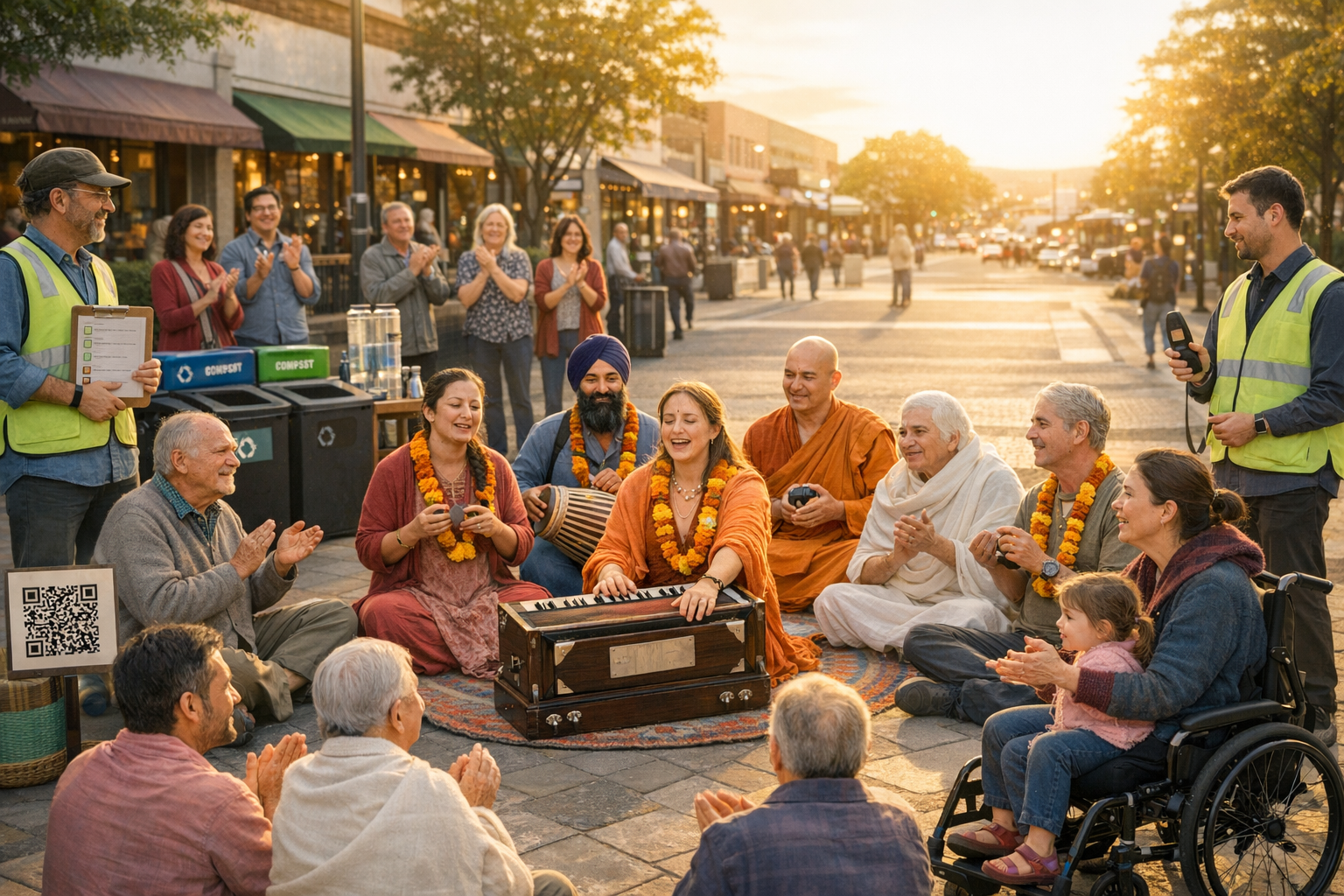
Across cities and small towns worldwide, groups gather to chant sacred names in publicoften with kartals, mridangas, and voices raised in kirtan. For many onlookers, the immediate question is practical and sincere: why chant on public streets? A clear, respectful, and well-researched explanation affirms that public Harinama Sankirtana functions both as mantra meditation for personal transformation and as a community-centered practice that promotes compassion, inclusion, and well-being.
Within Gaudiya Vaishnavism, the holy name of Krishna is held to be non-different from the divine, making naam-sankirtana a direct engagement with transcendence. Historical accounts describe Sri Chaitanya Mahaprabhu leading processions in Navadvipa and Puri, framing kirtan as a social and spiritual renaissance. In the modern era, Srila Prabhupada revitalized this public expression through ISKCON (International Society For Krishna Consciousness), emphasizing that congregational chanting fosters personal purification while uplifting the broader social climate.
This rationale resonates beyond one lineage and speaks to shared Dharmic sensibilities. Sikh traditions celebrate Nagar Kirtan and naam simran as living, public remembrance. Jain communities chant the Namokar Mantra with a universal ethic of non-violence at its heart. Buddhist communitiesfrom Pali sutta recitation to the compassionate cadence of metta chantingdemonstrate how collective voice nurtures calm and goodwill. Across Hinduism, Buddhism, Jainism, and Sikhism, a common thread emerges: sacred sound as both inner sadhana and a gentle service to society.
Scientific literature increasingly supports these longstanding insights. Studies on group singing indicate synchronized breathing, increased social bonding, and reductions in stress markers such as cortisol. Mantra repetition has been associated with improved attention and vagal tone, aiding emotional regulation. In clinical settings, structured mantra practices like Kirtan Kriya have been explored for cognitive and mood benefits, aligning with traditional claims that rhythmic recitation quiets the mind and opens the heart.
Civically, public chanting intersects with fundamental freedoms and shared responsibilities. In India, for example, constitutional protections related to expression and religion coexist with municipal norms regarding sound, safety, and public order. The healthiest public kirtan culture honors both: it relies on permissions where required, follows time and decibel guidelines, and collaborates with local communities so that the experience remains peacefully integrative.
Socially, bystanders often oscillate between curiosity and delight, and occasionally concern. Clear communicationwhat is being sung, why it is sung, and for whomconverts uncertainty into understanding. When done with care, Harinama Sankirtana becomes intelligible even to those unfamiliar with Sanskrit or devotional music, revealing itself as a practice grounded in kindness, humility, and respect for all paths.
1. Educate with clarity and warmth. A concise public messagespoken gently at intervals, on placards, or via QR codescan explain that chanting is time-tested mantra meditation intended to cultivate inner peace and collective harmony. Framing the practice as both personal sadhana and service for lokasangraha helps onlookers understand that it is not a protest or solicitation, but a gift of sound that invites calm and community without compulsion.
2. Affirm Dharmic unity in practice. Joint processions or sequential segments featuring Hindu kirtan, Sikh shabad kirtan, Jain Namokar Mantra recitation, and Buddhist compassion chants model religious pluralism in action. Rotating facilitation, shared logistical teams, and inter-tradition training underline a simple truth: distinct lineages can stand together for ahimsa, empathy, and mutual uplift.
3. Align with law and local norms. Proactively engage civic bodies and neighborhood associations to secure route permissions, adhere to time windows, and meet decibel standards. Provide marshals to ensure footpaths remain open, emergency lanes are clear, and crowd flow is smooth. A transparent liaison plan with police and municipal officers builds long-term trust.
4. Tune the soundscape thoughtfully. Opt for acoustic balance over amplification when possible; consider ragas and tempos appropriate to time of day and setting. Train kartal and mridanga players in steady, uplifting rhythms that invite rather than overpower. Intentional sound design preserves the anahata quality of the experience, allowing observers to listen comfortably and willingly.
5. Establish a visible code of conduct. Simple cuesgentle smiles, non-obstruction of storefronts, courtesy at crosswalks, and calm responses to questionsconvey maturity. Refrain from aggressive leafleting or debates; let curiosity guide conversations. A brief etiquette sheet shared during volunteer orientation ensures consistent, dignified conduct.
6. Design for inclusion and access. Provide clear pathways for seniors, children, and persons with disabilities; arrange water, shade, and rest points on warmer days. Offer multilingual information so diverse communities understand the purpose. Encourage women-led kirtans and family-friendly participation to reflect the inclusive spirit of bhakti.
7. Prioritize safety and well-being. Equip stewards with basic first aid knowledge and establish check-in points for lost-and-found or assistance. Prepare calm de-escalation protocols for rare instances of misunderstanding. When participants feel safe, the devotional mood naturally remains soft, joyful, and welcoming.
8. Practice environmental stewardship. Minimize single-use plastics; use reusable banners and instruments cases; leave the route cleaner than found. Coordinate with municipal waste services and volunteer cleanup teams. A visibly eco-conscious kirtan reinforces the Dharmic ethic of care for all beings and the Earth.
9. Measure impact with humility. Track participation, note positive community interactions, and invite optional feedback from shopkeepers and residents. Short, anonymous surveys can indicate whether the event reduced stress, increased curiosity about Dharmic traditions, or encouraged interfaith goodwill. Share findings responsibly to refine future events.
10. Communicate across media. Maintain a modest website or social profile explaining the what, why, and how of public chanting, linking to credible resources on mantra meditation and kirtan. Post event details, codes of conduct, and permission acknowledgments. Transparent communication prevents misconceptions and amplifies the message of unity without commercializing the sacred.
11. Invest in training and succession. Offer periodic workshops on kirtan musicianship, Sanskrit pronunciation, crowd care, interfaith sensitivity, and legal basics. Document best practices in a concise volunteer handbook. A steady leadership pipeline ensures that devotional quality and civic sincerity remain high as participation grows.
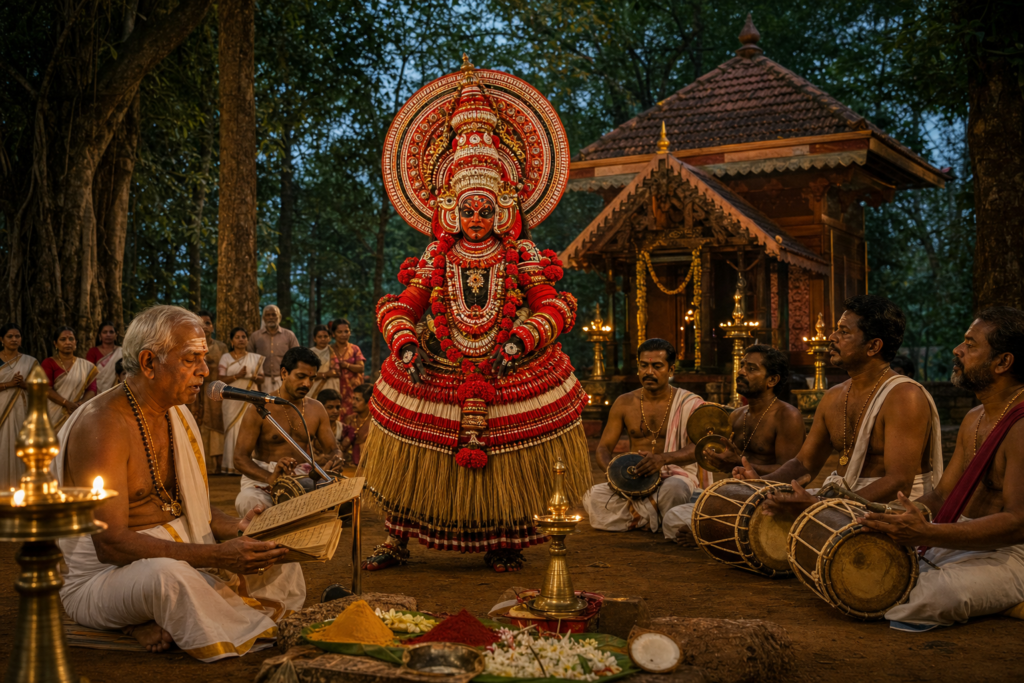
Examples from many regions illustrate the quiet power of such an approach. In multicultural neighborhoods, residents often remark that the rhythmic cadence of the maha-mantra or a gentle shabad temporarily slows the pace of the street and draws smiles from passersby. Parents pause with strollers; elders tap their feet; some close their eyes just long enough to breathe more deeply. These small moments add up, converting sidewalks into brief sanctuaries of shared presence.
For participants, the practice clarifies intent. Public chanting is not a numbers game nor a display of superiority; it is collective sadhana meeting civic friendship. The act of singing togetherHare Krishna Hare Krishna Krishna Krishna Hare Hare / Hare Rama Hare Rama Rama Rama Hare Hare, a Jain Namokar Mantra, a Sikh shabad, or a Buddhist metta chantinvites listeners to rest for a moment in sound that points beyond division.
Ethically, the most resilient public kirtans model religious pluralism by example. They neither compete with nor negate other faiths; instead, they affirm the Dharmic conviction that many sincere paths can lead toward wisdom and compassion. This approach aligns with the spirit of Vasudhaiva Kutumbakamrecognizing one world familywithout erasing the distinctive practices that make each tradition meaningful.
Practically, the discipline of sankirtana complements quieter daily practices such as japa, meditation, and scriptural study. Alternating between silent remembrance and heartfelt song strengthens attention, steadies emotion, and softens interpersonal conduct. Over time, communities that balance inner practice with respectful public witness report deeper cohesion and more constructive engagement with neighbors.
From a governance perspective, kirtan groups that interface regularly with civic institutions become stakeholders in public trust. Sharing route maps in advance, honoring feedback, and demonstrating a reliable safety culture reinforces the perception that sacred gatherings can enhancenot strainurban life. This creates a virtuous cycle in which municipalities feel confident partnering with Dharmic communities for festivals and cultural education.
Ultimately, public Harinama Sankirtana succeeds when it harmonizes three truths: sacred sound transforms individual hearts; compassionate conduct earns social legitimacy; and pluralistic collaboration strengthens the wider Dharmic family. The 11-point framework presented here is designed to be adaptable across contexts while maintaining fidelity to both spiritual depth and civic responsibility.
Moving forward, communities can refine these steps through local feedback, interfaith dialogue, and modest experimentationadjusting soundscapes, routes, and formats to serve neighbors well. In doing so, the practice remains what it has always aspired to be: a melodious offering, a public meditation, and a lived expression of unity in spiritual diversity.
Inspired by this post on Dandavats.