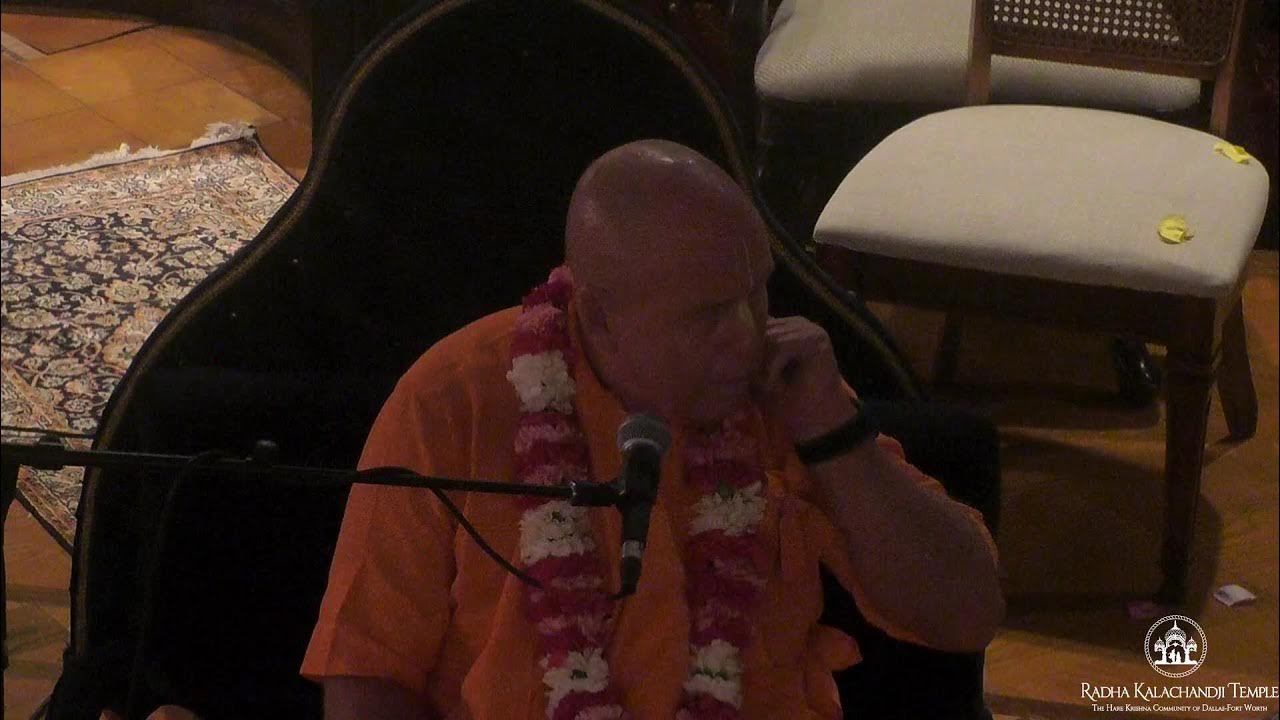
BB Govinda Swami presents a rigorous and inspiring reflection on the extraordinary compassion, humanity, and inclusiveness embodied by Sri Chaitanya Mahaprabhu and Srila Prabhupada. Anchored in the Bhakti Tradition, the discourse illustrates how boundless mercy transforms individuals and communities, providing a living model for plural, harmonious societies and for unity among dharmic traditions.
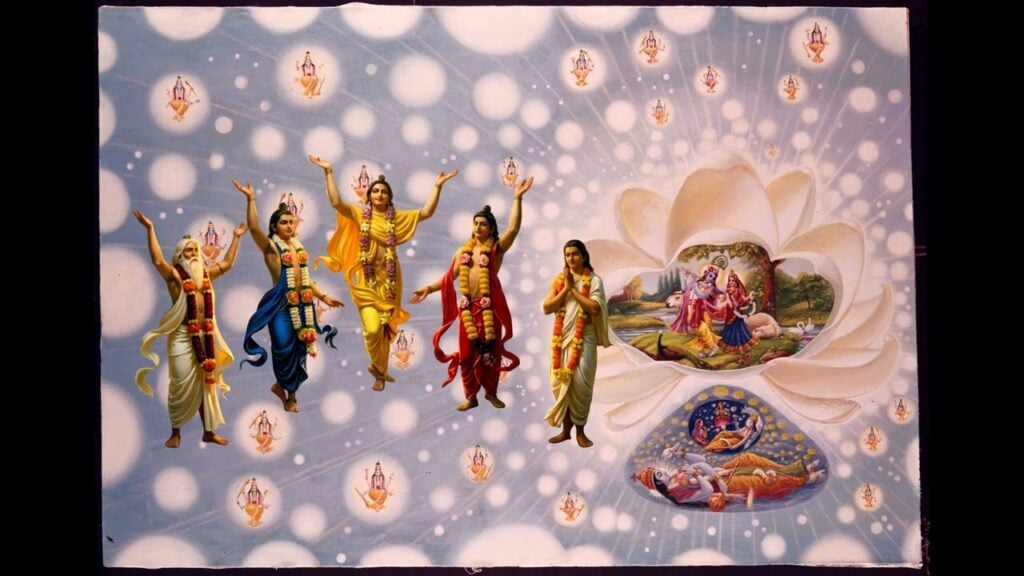
Drawing from revered narratives and devotional practice, the presentation emphasizes that Sri Chaitanya welcomed allregardless of caste, race, social background, or prior conductaffirming spiritual equality and dignity. This open embrace exemplifies religious tolerance in Hinduism and demonstrates how devotion naturally supports unity in spiritual diversity without erasing distinctive paths.
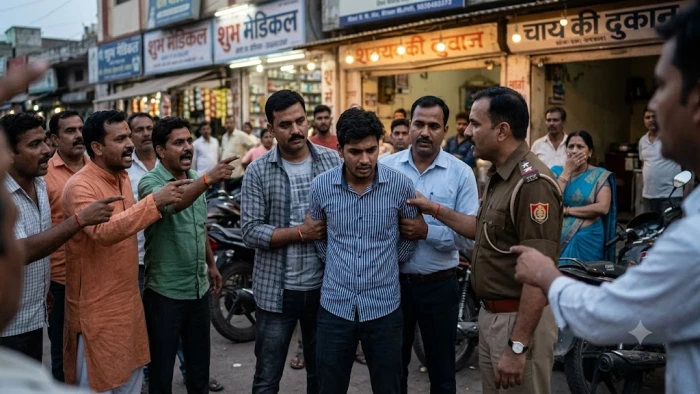
The transformation of Jagai and Madhai, two notorious brothers redeemed through the Lord’s compassion and the restorative power of kirtan, shows that sincere repentance, when met with grace, can redirect even the most troubled lives. Rather than privileging exclusion, the narrative privileges rehabilitation grounded in love, disciplined practice, and sustained devotional engagement.
Equally illuminating is the account of Vasudeva, a leper whose profound humility drew Sri Chaitanya’s affectionate embrace. The moment functions as both literal and symbolic healingdissolving stigma, restoring personhood, and underscoring that spiritual worth is never constrained by bodily condition, social standing, or historical circumstance.
Srila Prabhupada carried this inclusive vision across oceans, establishing ISKCON (International Society for Krishna Consciousness) as a global sangha where seekers from diverse cultures and vocations encountered Krishna-bhakti. The consistent message was clear: devotion is not a privilege reserved for a few but the natural right and capacity of all.
BB Govinda Swami situates compassion as an intentional discipline expressed through kirtan, seva, respectful dialogue, and cultivated humility. Such practices build trust, reduce polarization, and foster interfaith friendship and civic harmonyoutcomes that are not merely idealistic but demonstrably achievable through daily, repeatable habits.
The ethic described resonates across Hinduism, Buddhism, Jainism, and Sikhism, where ahimsa, karuṇā, daya, and seva form a shared moral vocabulary. This convergence supports a coherent framework for social cohesion, enabling diverse communities to affirm common ethical ground while honoring their distinct spiritual lineages.
Practical implications follow naturally: inclusive worship spaces, equitable community service, and attentive listening translate high ideals into lived culture. Inclusiveness becomes measurable in hospitality, participation, and compassionate speechevidence that spiritual principles can and should reshape everyday civic life.
Together, the lives and teachings of Sri Chaitanya Mahaprabhu and Srila Prabhupada provide a clear and gentle roadmap: transform the heart through devotion, extend mercy without discrimination, and organize communities around compassion. In this way, Compassion Without Boundaries moves from a stirring ideal to a sustainable social reality rooted in the Bhakti Tradition and relevant to a plural world.
Inspired by this post on Dandavats.