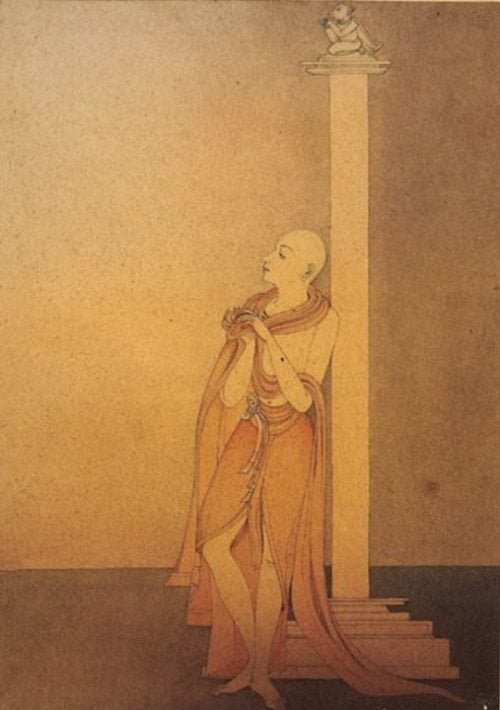
Sage Vishwamitra’s transformation from a formidable Kshatriya ruler to a Brahmarshi stands as a complete reorientation of identity and intent. The pivotal question—why he did not take up arms after once being a warrior king—finds its answer in the dharmic logic of renunciation, mastery of self, and the realization that brahma-tejas surpasses kshatra-tejas. This journey, recorded across Hindu scriptures and remembered in the Ramayana, illustrates how true strength can be rechanneled from external conquest to inner victory.
Tradition recounts that Vishwamitra’s early conflict with Sage Vashistha taught a defining lesson: weapons and royal power are ultimately outshone by spiritual luminosity. When confronted with Vashistha’s brahma-tejas during the episode of Kamadhenu, Vishwamitra recognized that enduring power does not arise from the sword but from self-restraint and tapas. This realization set him on a path of intense austerity and study, leading to a conscious renunciation of his former Kshatriya identity in pursuit of Brahmanical wisdom.
His decision to abstain from wielding arms was therefore not a tactical pause but a complete renunciation of a past self. Having chosen the Brahmana ideal, he committed to ahimsa of intent and to the conservation of tapas-shakti. In the dharmic understanding, anger, vengeance, and habitual resort to violence dissipate spiritual potency. To become a Brahmarshi required indriya-nigraha (mastery of the senses), one-pointed tapas, and the careful guarding of brahma-tejas—conditions incompatible with a return to the battlefield.
Vishwamitra did not forsake kshatra-dharma as a principle; instead, he transformed its expression. The outward valor of the warrior became the inner valor of the ascetic. What once commanded armies now commanded the mind: the redirection of will, the discipline of austerity, and the courage to confront inner enemies—rāga and dveṣa—rather than external foes. In this way, kshatra was not denied; it was sublimated.
The Ramayana preserves this synthesis with clarity. Vishwamitra guided Rāma and Lakṣmaṇa, imparted sacred mantras such as Bala and Atibala, and conferred astravidyā while refraining from taking up arms himself. He requested the rightful Kshatriyas to protect the yajña from adharma, thus honoring both guru-dharma and kshatra-dharma without compromising his renunciate vows. By enabling Rāma to act, he upheld the dharma-yuddha framework while safeguarding his own tapas.
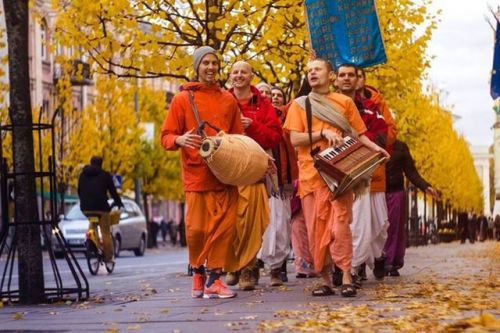
Ethically, his stance expresses ahimsa without absolutism. Vishwamitra did not deny the legitimacy of righteous defense; he affirmed that it belongs to those to whom that duty is properly assigned. This perspective resonates across Dharmic traditions: Buddhism venerates the conquest of self, Jainism elevates ahimsa as a supreme vow, and Sikh teachings balance saintliness with the protective duty of the sant-sipahi. Together, these insights emphasize unity in the Dharmic ethos—self-mastery, duty, and compassion held in dynamic equilibrium.
For readers navigating personal transformation, Vishwamitra’s example offers relatable guidance. Letting go of an old role can be the most courageous act, especially when a higher calling demands conservation of energy, clarity of purpose, and disciplined restraint. Leadership need not always be exercised from the front lines; sometimes it is most powerful when expressed through teaching, mentorship, and the wise delegation of duties.
The core answer is therefore precise and consistent with scripture: Vishwamitra chose not to take up arms because his identity, vows, and spiritual aim had fundamentally changed. Protecting brahma-tejas required non-violence in intent, mastery of anger, and the redirection of kshatra to inner conquest. By guiding rightful protectors rather than fighting himself, he preserved tapas, upheld dharma, and left a model of transformation that continues to inspire seekers across Hinduism, Buddhism, Jainism, and Sikhism.
Inspired by this post on Hindu Blog.