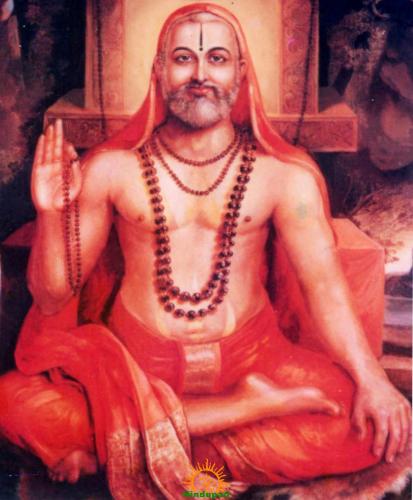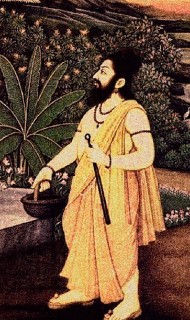
In the Ninth Canto of the Srimad Bhagavatam, the narrative of Shaubhari Muni stands out as a rigorous examination of spiritual power, ethical failure, and divine grace. It is a compact case study of how yogic attainment and ascetic discipline, however formidable, can falter without humility and protection from Krishna. The account remains a touchstone for readers of the Bhagavata Purana because it translates subtle theological principles into a lived drama of aspiration, pride, descent, and restoration.
Shaubhari Muni is portrayed as an accomplished yogi endowed with great mystic powers (siddhis). In terms of material capability, his prowess far exceeded ordinary measures; yet the narrative insists that such power is not synonymous with safety. The central thesis emerges with clarity: spiritual pride breeds vulnerability. When the mind assumes invulnerability, the guard against Maya weakens. In this story, the danger arrives not as an external foe but as the subtle erosion of judgment precipitated by offense to a devotee.
Tradition describes that Shaubhari Muni offended Garuda, the great servant of Vishnu. This single ethical misstepan affront to a saintly beingfunctions as the hinge on which the muni’s fortunes turn. Without Krishna’s protection, the Bhagavata Purana suggests, even one advanced in yoga cannot reliably restrain the senses from gross temptations. The lesson is severe but clear: aparadha toward the saintly clouds discernment and makes even profound ascetics susceptible to the most elementary lapses.
The setting intensifies the paradox. Shaubhari Muni had undertaken sustained austerities within the waters of the Yamuna, a discipline chosen to minimize worldly distractions. From within that liminal retreat, he is said to have developed a protective sympathy for the fish inhabiting those waters. When Garuda, following his nature, preyed upon fish, the muni reacted harshly andaccording to the narrativecursed him. The act, meant to defend the weak, nonetheless crossed the boundary of proper regard toward a great Vaishnava, sowing the seed for later downfall.
The turn is poignant. While practicing underwater tapas, Shaubhari Muni witnessed fish mating and, despite his austerities, desire arose. The text thereby makes a sophisticated point about the psychology of asceticism: repression without grace is fragile. The senses (indriyas) can be calmed by practice, but their root tendencies (vasanas) can remain latent, resurfacing with surprising force when conditions align. The muni’s internal equilibrium, previously maintained by sheer will, collapses under an unanticipated stimulus.
From that moment, the narrative moves swiftly. Shaubhari Muni approaches King Mandhata and requests marriage. In a famous turn, the king allows his daughters to choose their husband; through his mystic powers the muni presents a radiant youthful form, and multiple princesses choose him. Accounts often state that all the daughtersfifty in numberopt for the yogi, and Shaubhari Muni then employs his siddhis to manifest splendid palaces and parallel households to satisfy each bride, establishing a grand life of sense enjoyment.
The technical subtext here is notable. The Bhagavata Purana frequently warns that aṭa-siddhis and related attainments can amplify, rather than purify, unaddressed desires. In this episode, prakamya (the ability to obtain desired objects) and ishitva (lordship) appear to reinforce an illusion of control. The muni constructs a world capable of meeting every wish, but this very capacity conceals the deeper work of purification. What seems like mastery over matter becomes a subtle enslavement to preference.
Over time, disillusionment sets in. The muni recognizes that even perfectly arranged enjoyment produces satiety, not freedom. The narrative then pivots from indulgence to insight: Shaubhari Muni and his wives renounce worldly life and turn wholeheartedly toward bhakti. In humility, he orients himself once again toward Krishna’s protection, and the household shifts from consumption to contemplation, from control to surrender. According to the tradition, this devotional realignment restores clarity and culminates in spiritual fulfillment for all involved.
The theological inferences are exacting. First, devotion (bhakti) is upheld as the surest safeguard against Maya, not because it erases effort, but because it anchors effort in grace. Second, offense to saintly beings (a common Vaishnava teaching regarding aparadha) has systemic consequences; it clouds judgment, invites karmic entanglement, and undermines even exemplary discipline. Third, sense control (indriya-nigraha) proves unstable when driven solely by willpower; only when joined to humility and remembrance of Krishna does restraint become resilience.
Read through a comparative dharmic lens, the insights are strikingly aligned across traditions. Hindu Dharma emphasizes bhakti and humility; Buddhism cautions against mana (conceit) and the kleshas; Jainism diagnoses kashaya (passions) and prescribes samyama with aparigraha; Sikh tradition warns against haumai (ego) and centers life around the Guru, Naam, and seva. All four affirm that pride corrodes practice and that genuine progress requires humility, ethical restraint, and guidance greater than the individual will. This unity in spiritual diversity underscores the episode’s enduring relevance for all dharmic seekers.
From a moral-psychological angle, the narrative anticipates contemporary research on power, temptation, and moral licensing. Accumulated capabilityspiritual or materialcan create cognitive blind spots. The mind rationalizes small transgressions as justified by past austerity or present capacity. In such conditions, humility operates not as self-effacement but as a precision instrument that reintroduces reality-testing, accountability, and reverence.
Practical application for modern practitioners follows naturally. Disciplines such as japa, kirtana, study of the Bhagavad Gita and the Bhagavata Purana, sadhu-sanga (sacred association), seva, and periodic retreats function as guardrails. Each practice recalibrates the inner compass away from control and toward alignment. Many readers may recognize the pattern in everyday life: technical competence, achievements, or social influence expand options; unless intentionally tempered, those options amplify subtle desires rather than resolving them.
The episode also illuminates relational ethics. Offense, even when driven by an ostensibly noble impulse, can incur deep spiritual costs. Respectful engagement with saintly persons and traditions is not mere formality; it is structural. By honoring those who embody and transmit Dharma, practitioners remain connected to the very current that protects against downfall.
In sum, Shaubhari Muni’s journeyascetic discipline, offense, desire, opulence, disenchantment, and devotional returnfunctions as both caution and consolation. It cautions that no level of yogic success insulates one from Maya without divine shelter. It consoles by affirming that sincere reorientation to Krishna through bhakti reopens the path, uplifts companions, and turns even failure into instruction. As a living parable within Srimad Bhagavatam, the story offers a unified, dharmic blueprint: pursue excellence, guard against pride, honor saintly beings, and rely on grace for enduring sense control and spiritual freedom.
Inspired by this post on Dandavats.