When Divine Law Meets Natural Order: The Jatayu Question in the Ramayana has long stirred thoughtful debate within Indic traditions. A recurring query in northern Kerala folklore asks: Was Rama wrong in cremating Jatayu? The question, grounded in local oral traditions and cultural norms, invites a re-examination of dharma, ritual propriety, and the ethical horizon of compassion in the Ramayana.
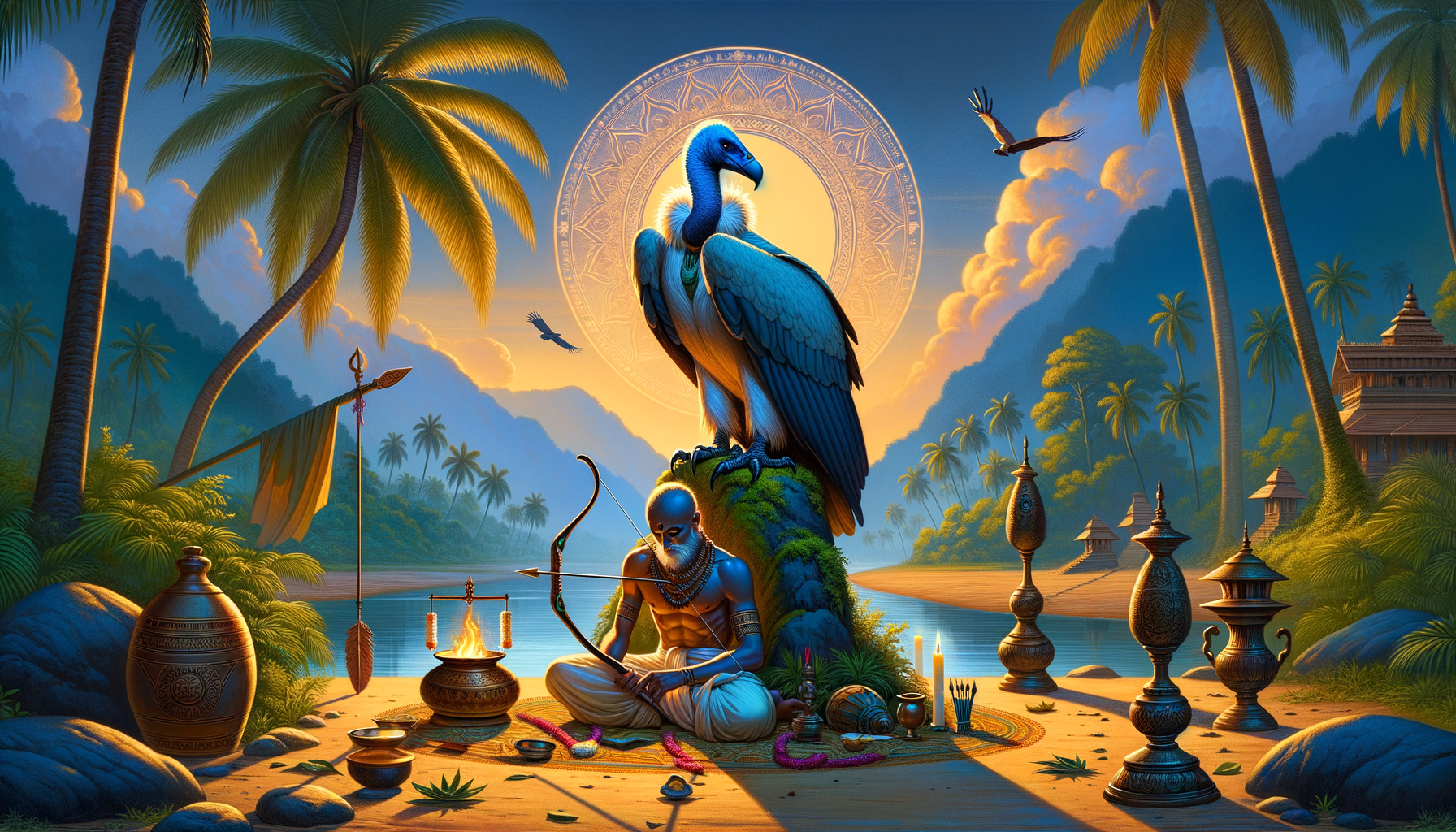
In the Valmiki Ramayana, Jatayu—an aged vulture-king—confronts Ravana to protect Sita and falls mortally wounded. Upon finding him, Rama mourns with deep affection, addresses Jatayu as a father, and performs antyeṣṭi (last rites). This narrative moment is both intimate and profound: it portrays grief, gratitude, and duty converging in a single act that elevates ethical intention over rigid ritual categories.
The concern behind the Kerala folk question rests on a generally recognized norm: formal cremation rites are typically reserved for humans in many Dharmashastra frameworks, while animals follow their own svabhāva (natural order). From this perspective, cremating a bird might seem to contravene customary boundaries distinguishing human funerary rites from the natural cycle governing other beings.
Yet the Ramayana frames Jatayu as more than an animal within a taxonomic sense. Jatayu exemplifies dharma through courage, loyalty, and sacrifice, and is explicitly treated as a father-figure by Rama. The epic’s portrayal indicates that the moral status of the act derives from the ethical stature of the recipient and the intention behind the rite. Rama’s performance of the rites, akin to a son’s duty, reflects ṛṇa (debt of gratitude) and dayā (compassion) rather than a mere ritual transgression.
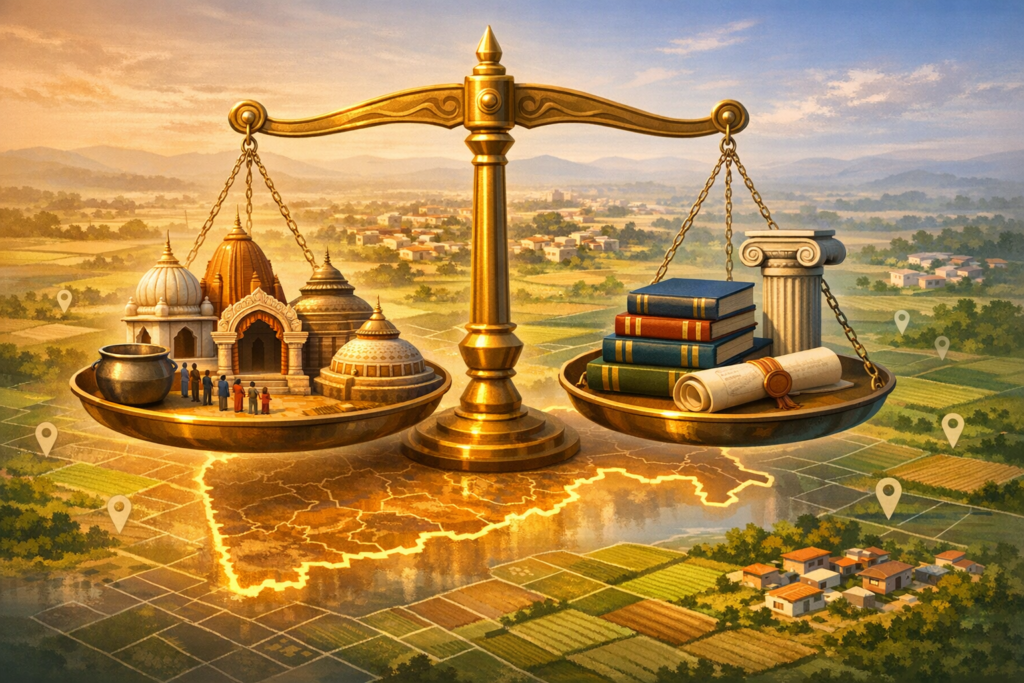
From a philosophical standpoint, the question juxtaposes two principles: adherence to ritual boundary (natural order) and realization of higher dharma through compassionate justice (divine law). The Ramayana repeatedly demonstrates that when rules and compassion intersect, intention aligned with righteousness can refine the application of norms. In Jatayu’s case, the epic witnesses not a dismissal of tradition, but a dharmic expansion of its moral ambit to honor extraordinary virtue.
This interpretation also resonates across the broader Dharmic family. In Buddhism, karuṇā emphasizes boundless compassion. Jainism’s ahimsa extends moral regard to all living beings. Sikh seva enshrines service with dignity and reverence. Read together, these perspectives affirm that dignity, gratitude, and moral courage transcend species boundaries—guiding ethical action toward unity in spiritual diversity.
Northern Kerala’s oral traditions add valuable nuance by preserving the memory of local norms and questioning how they interact with epic exemplars. Rather than negating scripture, such reflections deepen understanding of the Ramayana’s ethical texture. Folk discourse, scriptural testimony, and philosophical reasoning together show how living traditions negotiate between maryādā (convention) and dharma (righteous purpose).
Viewed through this integrated lens, cremating Jatayu emerges not as a breach but as a dharmic affirmation: honoring a protector who acted as kin, acknowledging sacrifice, and recognizing the universal presence of the ātman. The Ramayana thus invites contemporary readers—from Hindu, Buddhist, Jain, and Sikh backgrounds alike—to see compassion as a unifying moral principle capable of guiding action when rules and realities collide.
Consequently, the question “Was Rama wrong?” becomes an occasion to clarify a deeper insight: dharma is not static legalism but living wisdom. In Jatayu’s cremation, the epic elevates ethical intention, filial gratitude, and respect for valor—showing how Sanatana Dharma harmonizes ritual with compassion to uphold justice and unity.
Inspired by this post on Hindu Blog.