Within the Gaudiya Vaishnava tradition, as preserved in narratives attributed to Krishna Dasa Kaviraja Goswami, an episode from Navadvipa illuminates the transformative power of compassion. It centers on Lord Caitanya’s merciful outreach and the ethical responsibilities that accompany spiritual acceptance—a model of Bhakti Tradition that remains compelling for contemporary seekers.
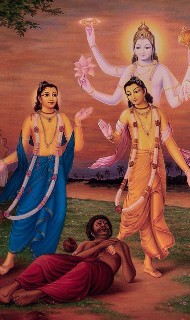
While Lord Caitanya was disseminating devotional teachings in Navadvipa, close associates Nityananda Prabhu and Haridasa Thakura encountered a tumultuous crowd. Passers-by explained that two brothers—Jagai and Madhai—were once again disturbing public order in a state of intoxication. Though born into a respected brahmana family, the brothers had fallen into vice through corrosive association, becoming notorious for drunken violence, harassment, and theft.
The narrative underscores a candid observation about the present age: few can genuinely claim to be free from fault. Yet Lord Caitanya’s response offers a balanced synthesis of grace and responsibility. He welcomes any person—regardless of prior wrongdoing—who sincerely resolves to abandon harmful behavior and seek disciplined guidance under a qualified spiritual mentor. In this way, forgiveness and redemption are not passive absolutions but active commitments to inner reform, devotional practice, and ethical living.
Beyond its historical setting, the account communicates themes that resonate across dharmic traditions. Hinduism’s bhakti emphasizes loving surrender; Buddhism elevates compassion (karuna) and mindful transformation; Jainism upholds ahimsa and self-restraint; Sikhism centers seva and moral courage. Read together, these principles affirm unity in spiritual diversity: genuine spiritual acceptance invites reform, fosters non-violence, and restores community well-being without exclusion.
For contemporary society, the story of Jagai and Madhai functions as a practical framework for rehabilitation and social harmony. It recommends dignifying individuals despite their past, inviting clear ethical vows, and ensuring supportive mentorship. Such an approach can de-escalate conflict, reduce cycles of addiction or abuse, and cultivate trust—outcomes that serve families, neighborhoods, and wider communities alike.
Ultimately, the redemption of Jagai and Madhai illustrates how radical compassion, when paired with steadfast ethical commitment, catalyzes enduring change. In the Bhakti Tradition of Lord Caitanya, mercy does not minimize accountability; it empowers it. This synthesis remains a living guide for those seeking forgiveness, spiritual growth, and a more harmonious society across the shared landscape of dharmic wisdom.
Inspired by this post on Dandavats.