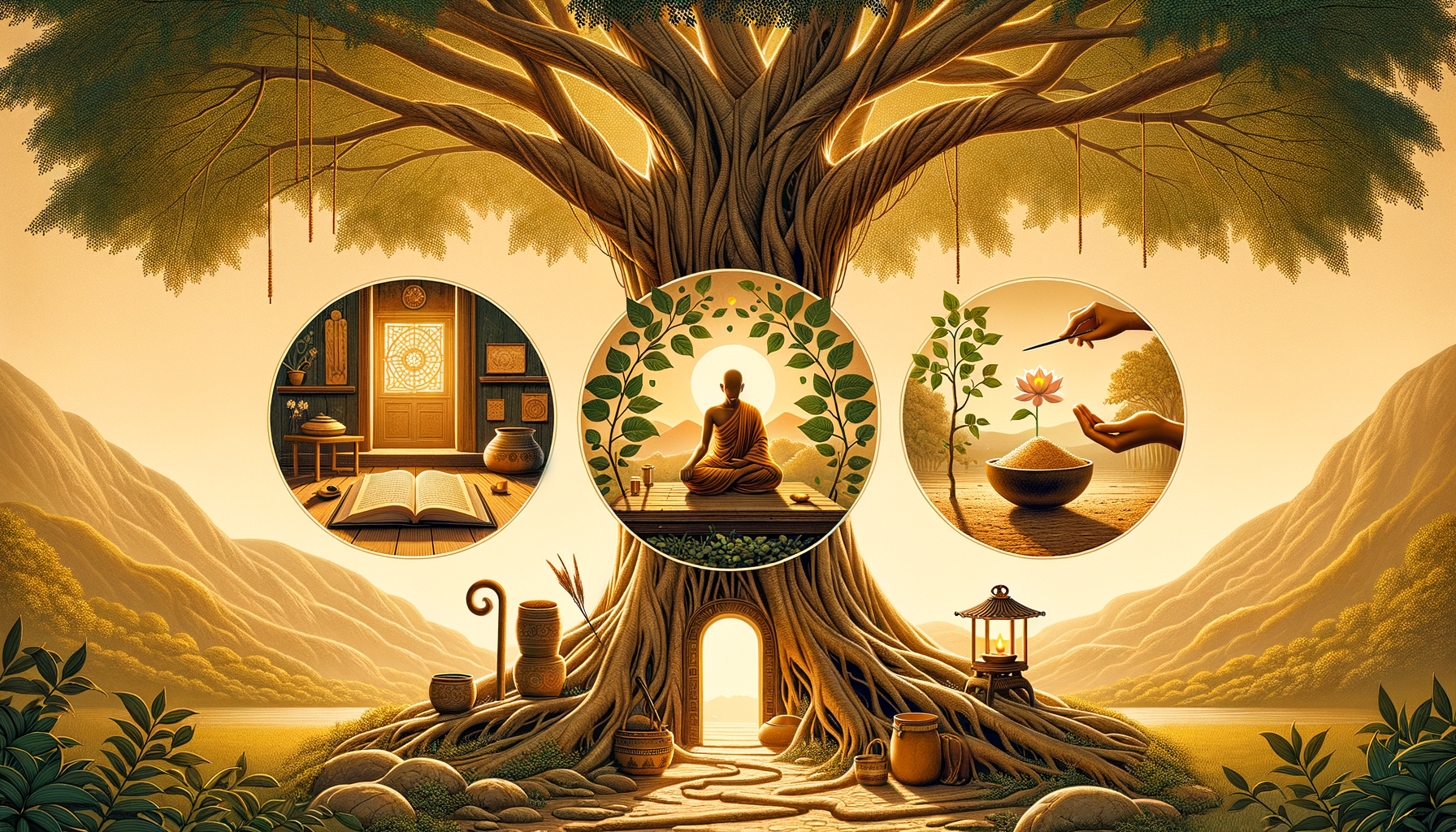
Dharmaskandha, referenced in the Chandogya Upanishad (2.23.1), denotes three interrelated “branches” or divisions (skandha) of a righteous way of life (dharma) within the Vedic tradition. This triad articulates the vocations of the Vedic student, the householder, and the forest-dweller, presenting a cohesive framework in which individual discipline, social responsibility, and contemplative withdrawal function as complementary pillars of ethical living.
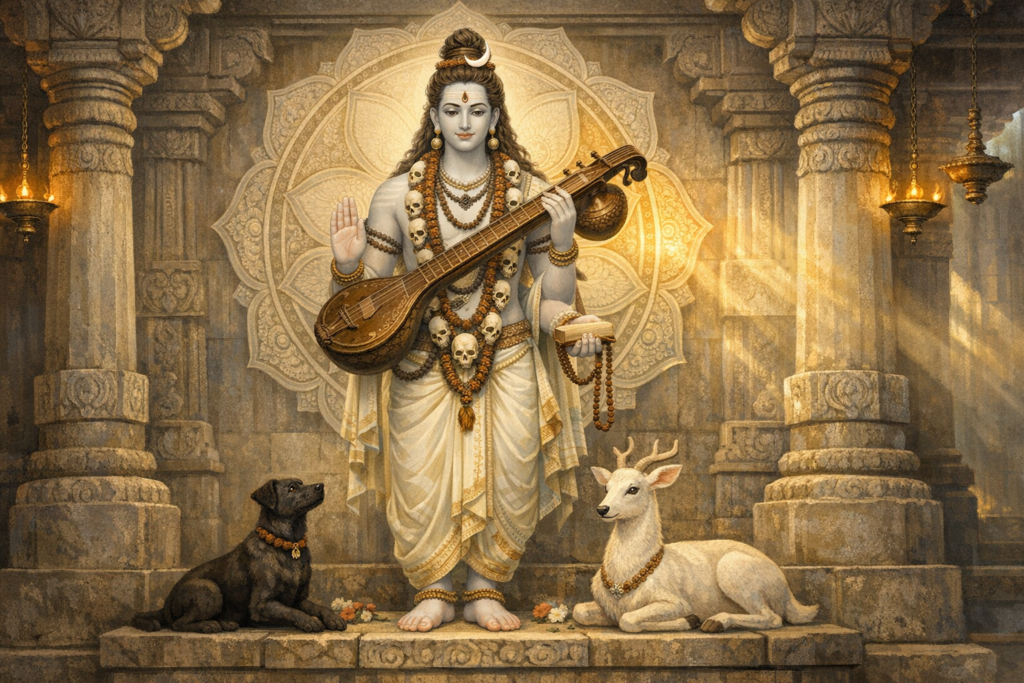
The Vedic student (brahmacharin) embodies disciplined study (svādhyāya), service, and character formation. Through learning, restraint, and reverence for knowledge, this stage nurtures clarity, humility, and purpose. Many readers recognize in this path the familiar rhythm of formative years dedicated to education and skill-building—habits that continue to guide thoughtful decision-making in adulthood.
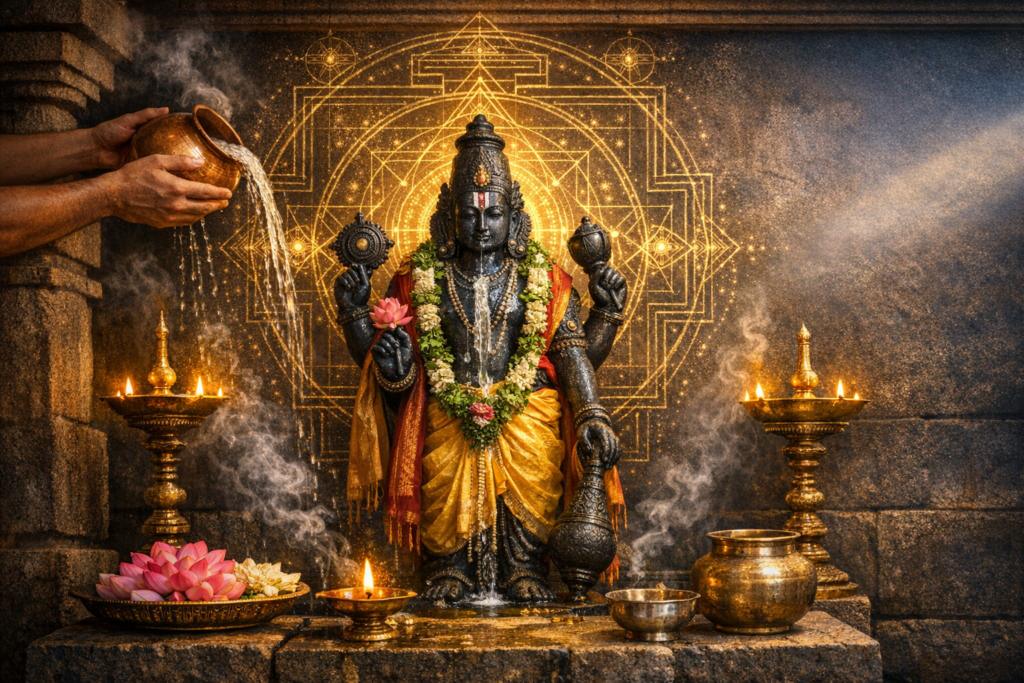
The householder (grihastha) sustains society through family stewardship, livelihood, and generosity (dāna). As the fulcrum of economic and social life, the householder’s duties extend to hospitality, care for elders, and support of community and sacred institutions. This way of life illustrates how everyday responsibilities—nurturing relationships, honest work, and civic participation—become expressions of dharma in action.
The forest-dweller (vanaprastha) represents a gradual turning toward contemplation, counsel, and ecological and ethical restraint. Without abandoning concern for society, this stage deepens inner quietude and reflective wisdom. Contemporary seekers often find resonance here in practices such as periodic retreats, simplified living, and service-oriented mentorship that balance action with introspection.
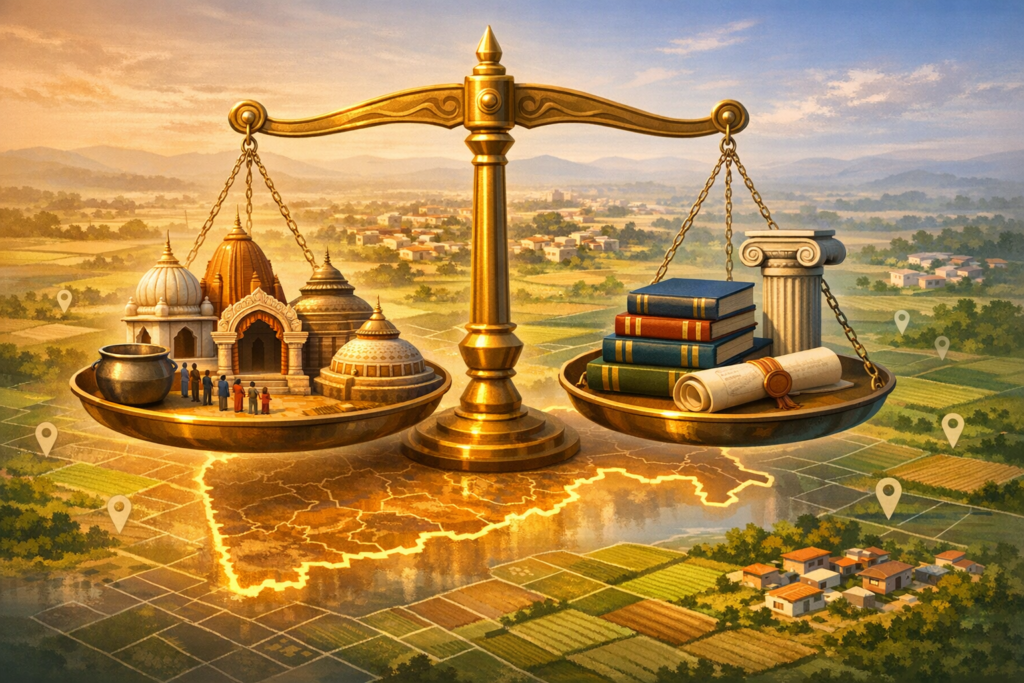
Taken together, these three paths comprise Dharmaskandha as a unified vision rather than a rigid sequence. They offer complementary modes—learning, engagement, and contemplation—that can overlap across a lifetime. The Chandogya Upanishad thus frames ethical life as multidimensional, where knowledge, responsibility, and inner freedom reinforce one another for individual and social well-being.
This vision aligns with wider Dharmic traditions. In Buddhism and Jainism, the harmony between lay and monastic vocations reflects a similar balance of ethical action and disciplined insight. In Sikhism, the affirmation of grihastha (householder life) coupled with seva (selfless service) echoes the integration of responsibility and spirituality. Across these traditions, the shared impulse is clear: a life grounded in moral clarity, compassionate action, and inner cultivation serves both the person and the community.
For present-day application, Dharmaskandha maps naturally onto common life choices: focused learning (brahmacharya) as continuous education and integrity; family and civic stewardship (grihastha) as ethical work, charity, and social trust; and reflective withdrawal (vanaprastha) as mindful simplicity, environmental care, and wise counsel. Readers often find that these three “pillars” provide a stable compass for decision-making, helping align personal growth with the common good.
By situating study, service, and contemplation within one integrated ethic, the Chandogya Upanishad (2.23.1) offers a timeless guide to living well. Dharmaskandha invites a balanced life in which knowledge is lived, duties are ennobled by compassion, and inner freedom illuminates action—an ideal that strengthens unity across Hinduism, Buddhism, Jainism, and Sikhism, and remains deeply relevant for ethical living today.
Inspired by this post on Hindu Blog.