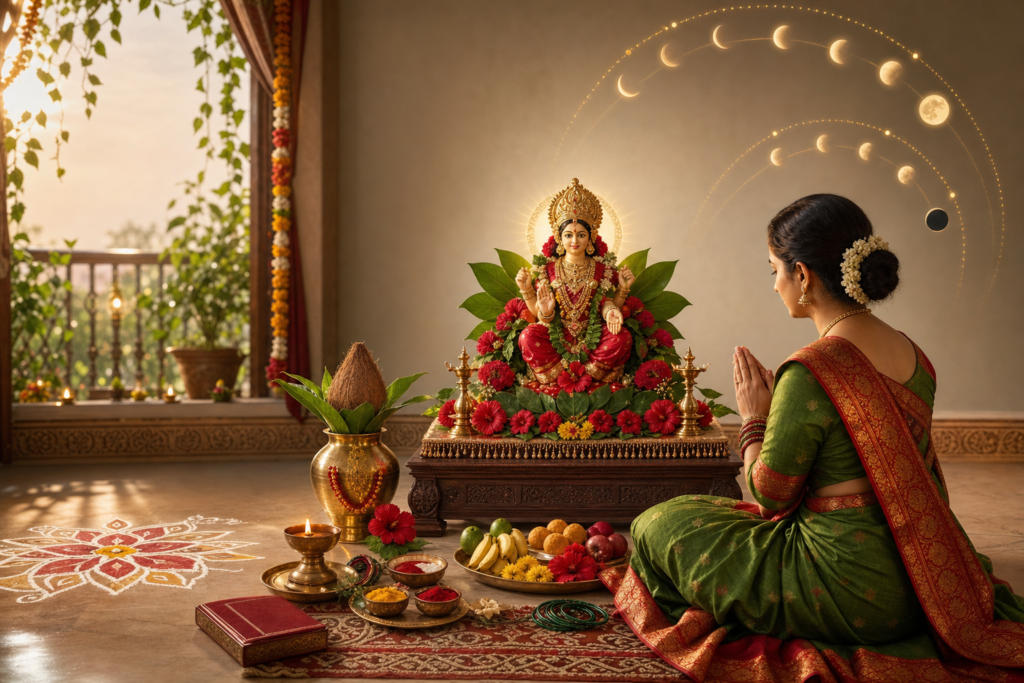
Caitanya-caritāmṛta (CC) Adi-līlā 4.181 highlights a central principle of bhakti: the selfless love of Godhead embodied by the gopīs is without parallel. Their careful personal adornment is not vanity but an offering of joy to Kṛṣṇa. In this vision, beauty functions as devotionan intentional, conscious aesthetic aligned with prema rather than self-display.
Within this devotional aesthetics, the gopīs’ actions are motivated solely by sevā. Attire, fragrance, and ornamentation become forms of worship when oriented to delight the Divine. The result is a spiritualization of the ordinary, where the body, mind, and daily choices are dedicated to Kṛṣṇa, free from ulterior motives.
Misreadings often arise when modern frameworks interpret such care as self-regard. Gaudiya thought instead frames it as self-forgetfulnessan inward resolution in which the devotee offers every faculty and possession in loving service. The gopīs’ example illustrates how intention converts external form into inner substance.
This principle resonates across dharmic traditions. Hinduism’s bhakti valorizes sevā and surrender; Buddhism nurtures mettā and karuṇā; Jainism refines ahiṃsā and restraint; Sikhism centers sevā and remembrance of the Divine. Each tradition affirms the transformative power of pure intention, revealing unity in spiritual diversity while honoring distinct paths.
Practically, this teaching invites a reorientation of daily life. Clothing, speech, work, and hospitality can be undertaken with the sankalpa to please the Divine and uplift living beings. Such mindfulness converts routine acts into sacred participation, aligning conduct with compassion, humility, and joy.
Emotionally, the gopīs’ love communicates a timeless insight: when the heart seeks only the Beloved’s happiness, self-consciousness fades and generosity flowers. Beauty becomes hospitality, and care becomes communion. This is the inner grammar of devotion, where external refinement serves an interior surrender.
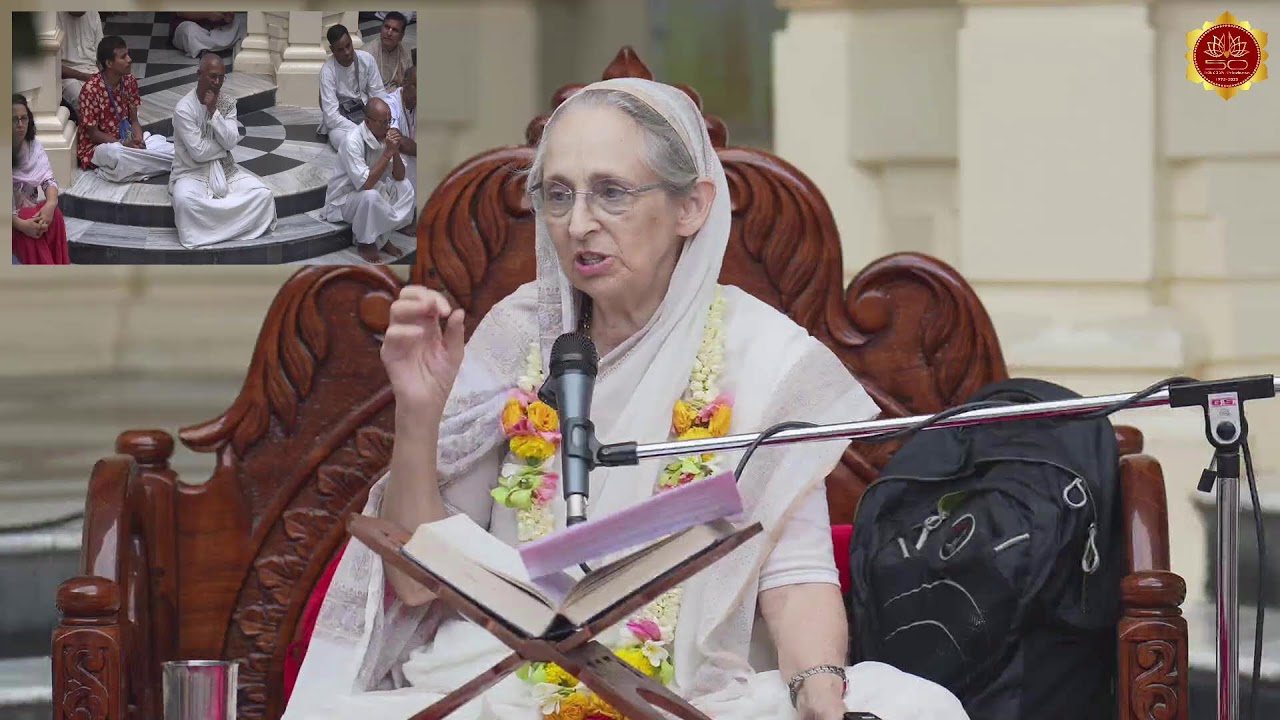
Contextual reflections shared within ISKCON Vrindavan on 27.10.2025 affirm the contemporary relevance of CC Adi-līlā 4.181. The gopīs’ model clarifies how devotion integrates motive, conduct, and aesthetics, offering seekers a clear, compassionate, and inclusive path that strengthens harmony among dharmic traditions.
Inspired by this post on Dandavats.