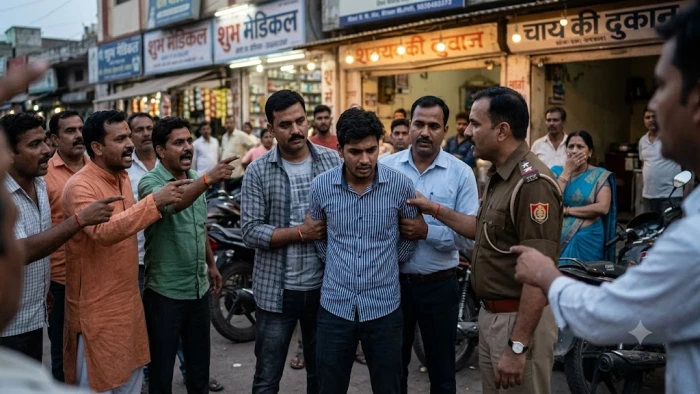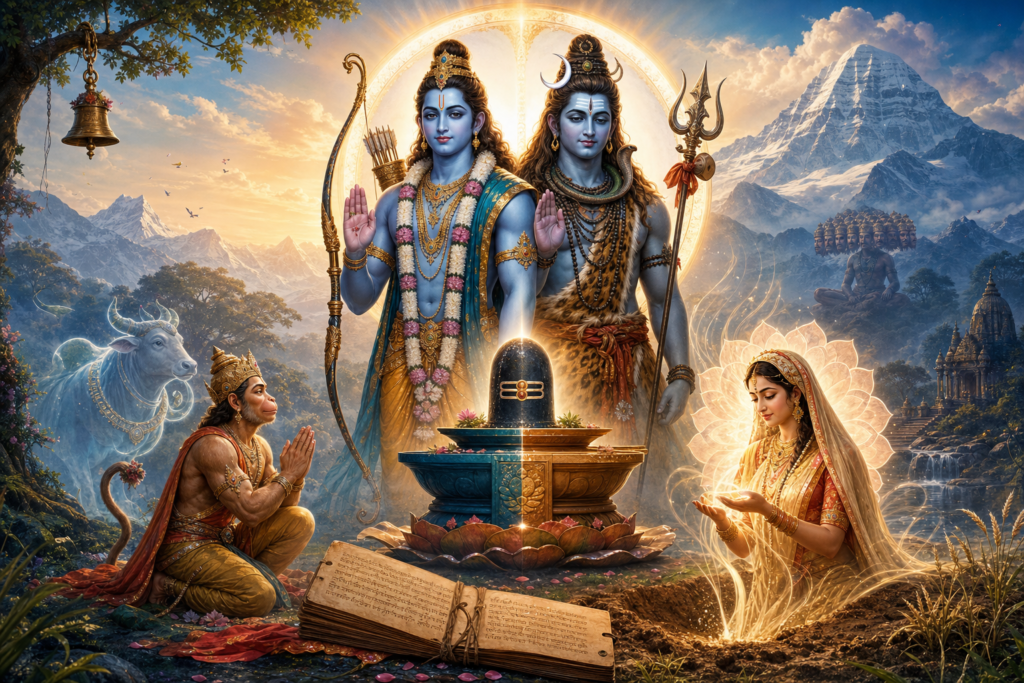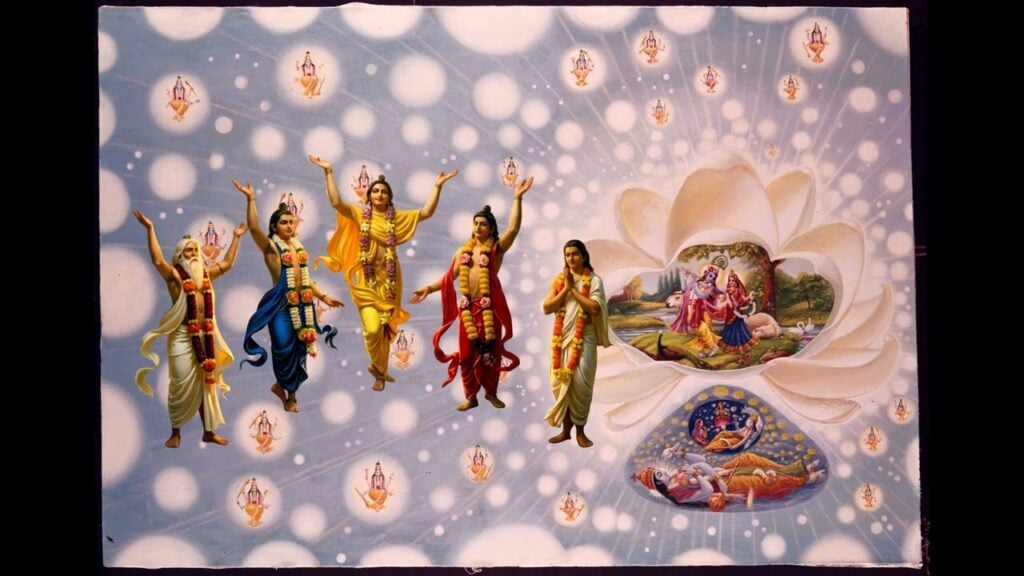
“For various reasons, common people do not easily develop faith in exalted persons who are still living, whereas they tend to develop great faith in the activities of mahajanas who have passed away.” (Jaiva Dharma, chapter 22)
This observation illuminates a persistent challenge in Hindu spirituality: reverence often flows more readily to departed mahajanas than to living sadhus. Social habits, cultural memory, and the limitations of the senses make it easier to sanctify the past while questioning the present. Yet within the broader Dharma traditionencompassing Hinduism, Buddhism, Jainism, and Sikhismwisdom is meant to be living, relational, and embodied. When discernment relies solely on the external, it becomes precarious; when it is guided by humility, scripture, and lived transformation, it aligns with the spirit of the Guru-Shishya Tradition.
The tendency to judge who is a sadhu through the lens of “what one sees” with dull material senses is particularly fragile. Reducing discernment to a chain of negations”neti neti” (not this, not this)risks misapplying a profound contemplative method of interior realization to the external evaluation of persons. Within Hindu philosophy, neti neti helps disentangle consciousness from transient phenomena; it is not a checklist for dismissing living exemplars. When a sense-bound approach is used to appraise realized practitioners, it often confuses depth with doubt and clarity with cynicism, making accurate judgment virtually impossible.
A more constructive framework for discernment emerges from shared dharmic principles. In the Bhakti Tradition, one looks to shastra (scripture), sadhu (saintly association), and guru (spiritual guide), along with visible transformation in conduct. Analogous modes of verification exist across dharmic paths: Dharma-Vinaya and the sangha in Buddhism; right knowledge, right faith, and right conduct in Jainism; and the guidance of satguru and sangat in Sikhism. These parallel structures encourage a respectful, evidence-based approach that harmonizes critical inquiry with devotion, reason with reverence, and tradition with personal growth.
Practically, this means allowing time to reveal character, examining alignment with scriptural wisdom, observing consistency in compassion and service, and seeking the corroboration of thoughtful communities. It also means resisting rumor and character assassination, which fracture the social fabric and undermine spiritual trust. When discernment is grounded in humility rather than sensational judgment, both living sadhus and past mahajanas can be honored without tension.
Viewed in this light, the message of Jaiva Dharma is less a dismissal of contemporary guides and more a call to mature discernment. The heart of Dharma is unity in spiritual diversity, where varied pathsdevotional, contemplative, ethical, and communalsupport the same quest for truth. By moving beyond sense-bound evaluations and appreciating the role of living exemplars, seekers can cultivate faith that is intelligent, compassionate, and harmonized with the pluralistic ethos of the dharmic world.
Inspired by this post on Dandavats.