Poverty is often defined by the absence of material possessions, yet Hinduism reframes wealth through love (prema), devotion (bhakti), purpose (dharma), and wisdom (jnana). Within Sanatan Dharma, abundance is a quality of the heart, not a tally of assets. This perspective, echoed across dharmic traditions, holds that inner wealth matures through compassion, self-discipline, and service to all beings.
Hindu scriptures and lived practice describe a life of simplicity as a path to profound fulfillment. The Upanishadic counsel—tena tyaktena bhunjitha—invites contentment through restraint, aligning well-being with ethical responsibility. The Bhagavad Gita deepens this vision through karma yoga and bhakti, where purposeful action and loving devotion reveal an inexhaustible inner richness.
These insights resonate across the broader dharmic family. In Buddhism, dana (generosity) and metta (loving-kindness) cultivate spaciousness of heart. In Jainism, aparigraha (non-possessiveness) and ahimsa (non-violence) refine character and community. In Sikhism, seva (selfless service) and the practice of langar transform food into shared dignity. Together, these traditions illuminate a unity in diversity, demonstrating that simple living and compassionate action generate true abundance.
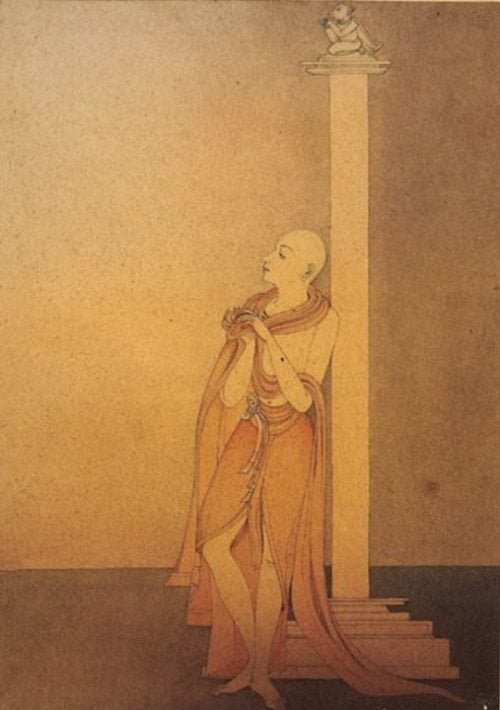
Accounts of saints and sages across the Bhakti Tradition further clarify this ethos. Lives such as those of Andal, Mirabai, and Tukaram reveal how love and surrender can outshine poverty’s constraints. Jain munis model disciplined simplicity, Buddhist mendicants embody mindful sufficiency, and the Sikh tradition centers communal care. These examples suggest that inner wealth is measured by the capacity to love, serve, and uplift.
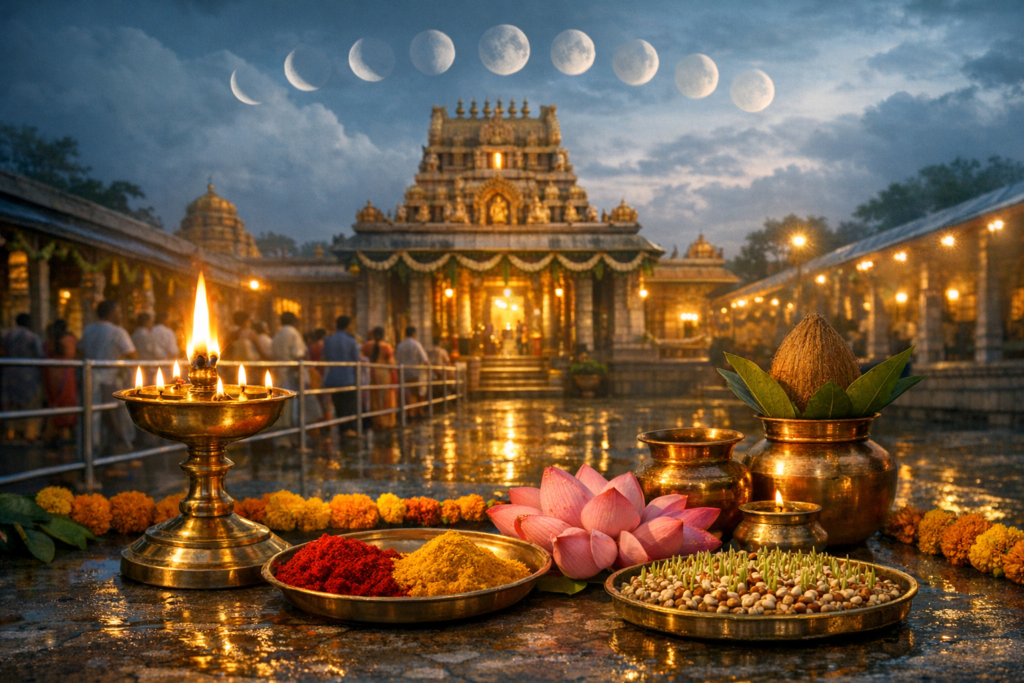
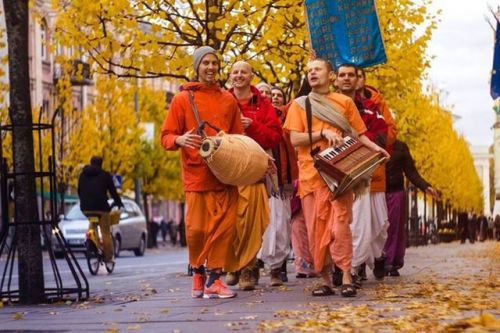
Everyday experiences attest to this truth. A shared bhajan at dusk, a warm meal in a langar line, or prasada offered with sincerity can feel richer than luxury. Such moments, grounded in devotion and community, open the anahata—heart-centered awareness—where connection, gratitude, and meaning converge.
Practical pathways to abundance through simplicity are accessible and universal: cultivate daily sadhana (prayer, japa, meditation), practice dana and seva in local communities, and choose mindful consumption guided by dharma. Small, consistent acts—visiting a temple, volunteering in a kitchen, or setting aside resources for those in need—create a widening circle of care that benefits households and neighborhoods alike.
Hindu thought also integrates ethics with livelihood. Artha (material prosperity) gains depth when aligned with dharma, reinforcing fairness, stewardship, and social responsibility. This orientation reframes wealth as a trust to be shared, thereby transforming economic pursuits into opportunities for compassion and community resilience.
Contemporary reflections converge with classical teachings: gratitude, service, and devotion correlate with emotional balance and social cohesion. Practices like aparigraha reduce anxiety, while bhakti and seva strengthen bonds of belonging. In this way, spiritual insight and simple living support holistic well-being for individuals and society.
Pluralism remains central to Sanatan Dharma’s vision. The idea of Ishta honors diverse spiritual temperaments and practices, affirming that multiple paths can lead to the same summit. This inclusive spirit—shared across Hinduism, Buddhism, Jainism, and Sikhism—builds unity without uniformity, allowing each tradition’s strengths to enrich the others.
Ultimately, abundance in Hinduism is the wealth of the heart: devotion that steadies purpose, compassion that widens community, and simplicity that clarifies what truly matters. When love and dharma guide life, even modest means can reveal a life overflowing with meaning and joy.
Inspired by this post on Hindu Blog.