Happiness is not a one-size-fits-all formula; it is an intimate, evolving inquiry into what brings meaning and Inner peace. Across dharmic traditions, happiness emerges when individuals exercise the sovereign freedom to define joy for themselves rather than inherit it from social expectations. When this autonomy is honored, contentment becomes sustainable, grounded, and deeply aligned with Self-awareness and Self-Realization.
Modern life often rewards people-pleasing and conformity to external scriptsthose shaped by parents, peers, institutions, and media. Such conformity may secure approval, yet it frequently leaves an inner hollowness. The pursuit of validation can obscure the quieter work of Mindfulness, values clarification, and compassionate self-understanding that makes happiness genuine rather than performative.
Within the dharmic worldviewspanning Hinduism, buddhism, jainism, and sikhismthere is a shared insight: no single path monopolizes truth. Unity in spiritual diversity is not merely tolerated; it is celebrated. The Hindu way of life, for example, emphasizes plural approaches to dharma and recognizes diverse temperaments and aims. This spirit of Acceptance and compassion is mirrored in the emphasis on insight in buddhism, non-attachment in jainism, and seva and simran in sikhism. Together, these perspectives affirm that happiness is discovered through inward clarity and outward integrity, not through uniformity.
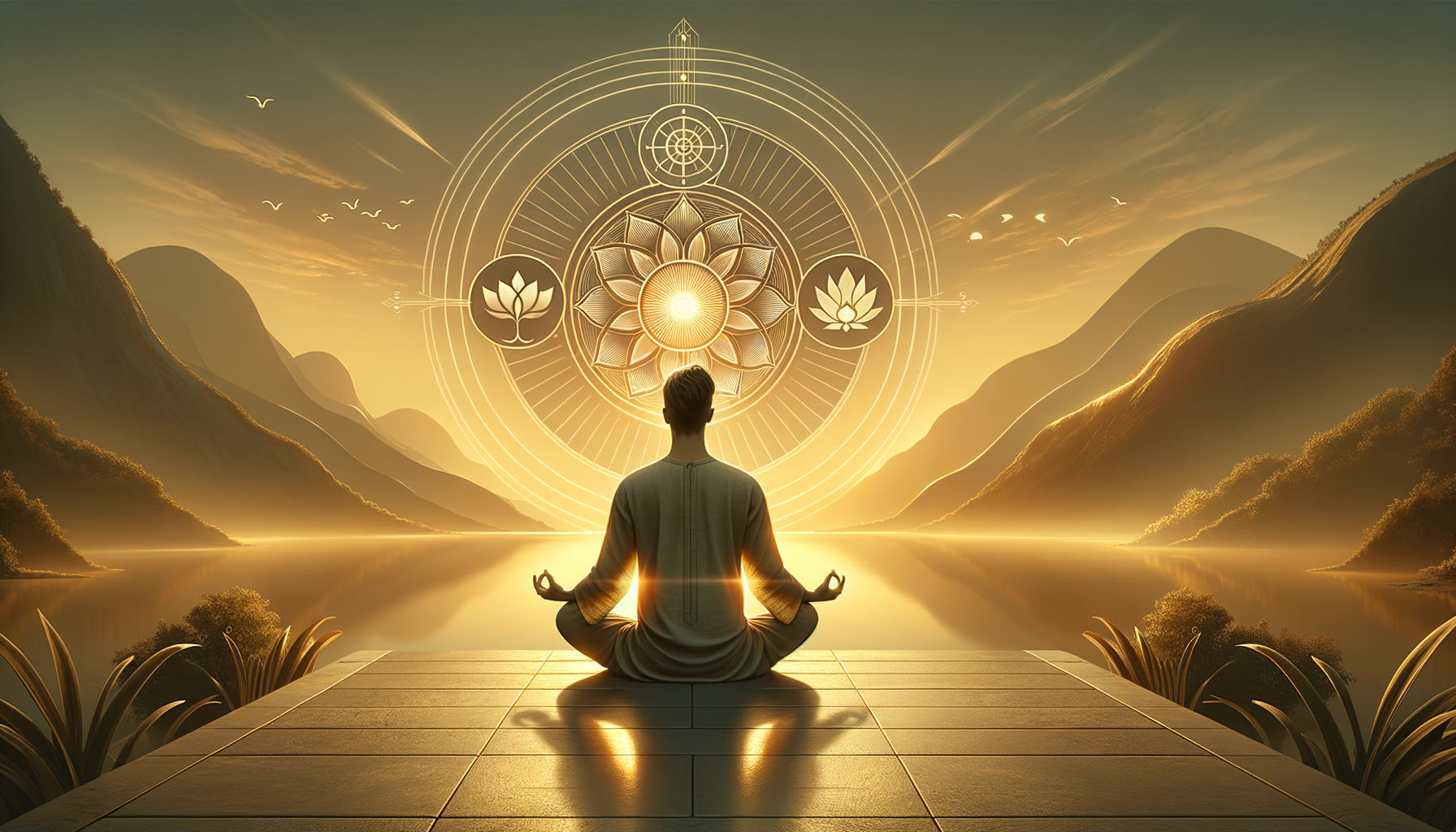
Philosophically, happiness in these traditions is a function of alignment: thoughts, speech, and actions cohering with one’s discerned purpose. Mindfulness cultivates the attentiveness needed to notice what truly nourishes well-being; aparigraha (non-grasping) loosens the hold of comparison and craving; seva (selfless service) and Karma Yoga refine intention by transforming daily work into a path of growth. Such practices turn happiness into a living discipline rather than a distant outcome.
Practical application follows a simple arc. First, clarify values through reflective inquiry: What principles feel non-negotiable when life is quiet and honest? Second, observe emotional patterns with Mindfulness to see where energy expands or contracts; this builds Self-awareness. Third, set compassionate boundaries to reduce people-pleasing and cultivate integrity. Fourth, practice non-attachmenthonoring goals without tying identity to results. Finally, engage in seva or purposeful work that connects personal joy to collective well-being. Each step strengthens autonomy and restores Inner peace.
Common life situations illustrate this dynamic. Pursuits chosen for prestigetitles, metrics, and appearancesoften deliver diminishing returns, whereas pursuits aligned with dharma tend to feel steady, clear, and quietly fulfilling. Relationships guided by mutual respect and truthfulness foster safety and growth; those sustained by image or obligation erode trust and vitality. In each case, the measure of authentic happiness is coherence between inner conviction and outer life.
Seen through a dharmic lens, defining one’s happiness is not isolationist; it deepens connection. When individuals honor their nature responsibly, they extend the same dignity to others. This yields social harmony: communities can hold multiple spiritual languages while sharing ethical groundcompassion, non-harm, truthfulness, and service. Such Unity in spiritual diversity is not only philosophically sound; it is socially stabilizing.
Choosing one’s own definition of happiness, then, is both a right and a responsibility. It asks for disciplined reflection, gentle courage, and steady practice. When cultivated, it aligns personal fulfillment with collective goodan integration at the heart of Dharmic Traditions. In this integration, happiness ceases to be borrowed and becomes, instead, a trustworthy companion.
Inspired by this post on Hindu Blog.