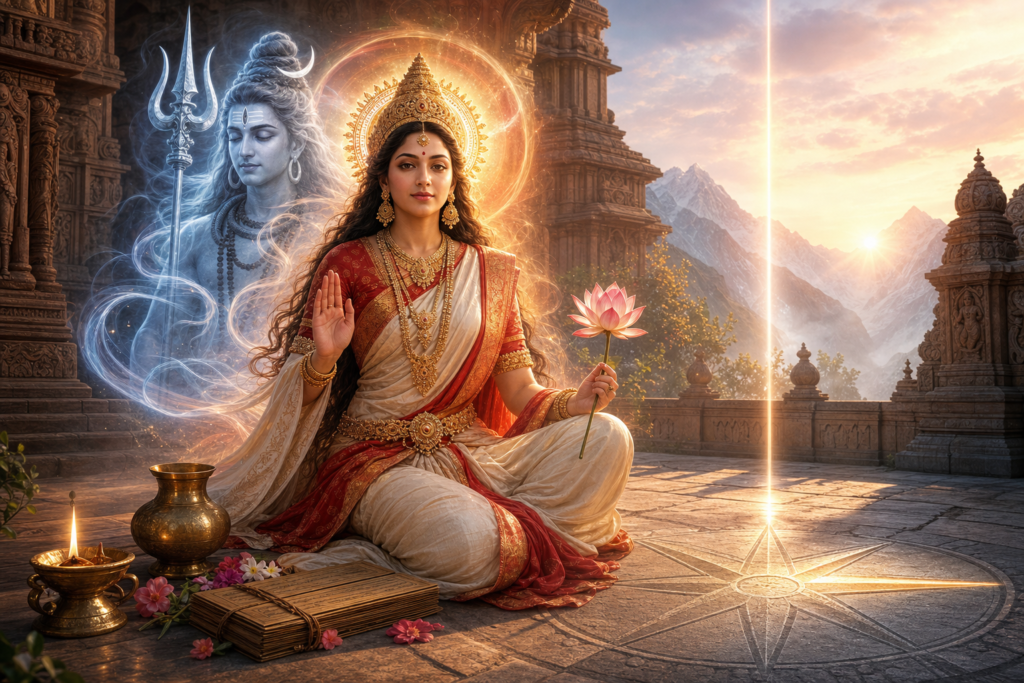
Hindu philosophy approaches consciousness not merely as awareness, but as the very ground of being. The Mandukya Upanishad states, “Ayam atma brahma” (This self is Brahman), affirming that the deepest Self (Atman) is inseparable from ultimate reality (Brahman). This insight offers a clear, contemplative framework for modern seekers facing distraction, anxiety, and information overload, while honoring unity among Hinduism, Buddhism, Jainism, and Sikhism.
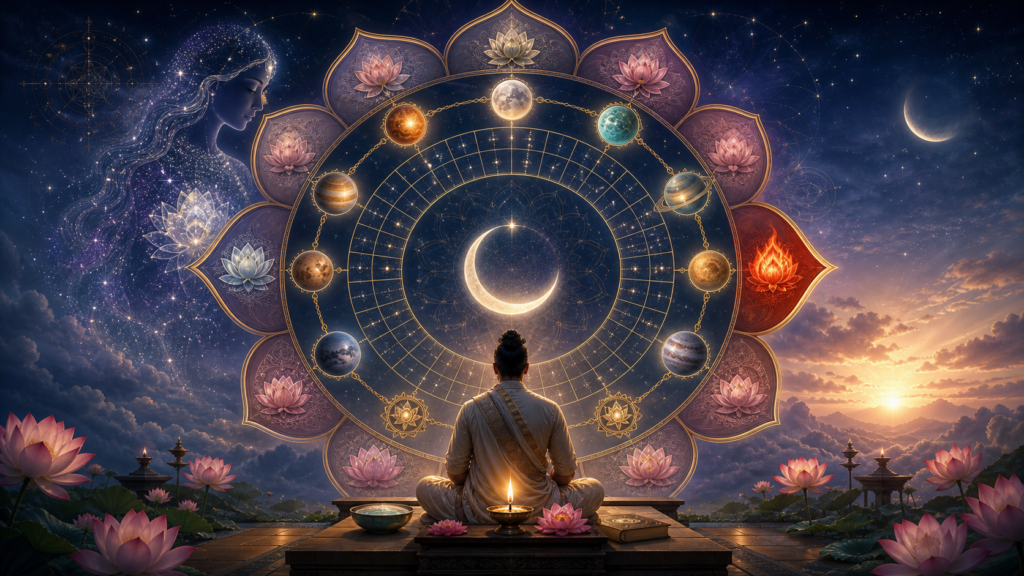
Upanishadic thought maps consciousness across four modalities: waking (jāgrat), dreaming (svapna), deep sleep (suṣupti), and the fourth, turiyathe silent, witnessing awareness beyond fluctuation. Advaita Vedanta describes this as non-dual, ever-present, and unbroken by mental activity. Recognizing this witness (sakshi) becomes the first step in “reclaiming” consciousness: shifting identity from thought-streams to the luminous presence in which thoughts arise and subside.
Practical methods anchor this recognition. Yoga and meditationpratyahara (sensory regulation), dharana (one-pointedness), dhyana (meditation), and samadhi (absorption)progressively refine attention. Breath practices such as pranayama stabilize the nervous system; mantra japa attunes the mind; svadhyaya (self-study) grounds insight in scripture and ethical reflection. Even brief, consistent practice often yields noticeable gains in clarity, emotional balance, and resilience.
Dharmic traditions converge on this reclaiming in complementary ways. Buddhism cultivates mindful awareness (sati) and insight into impermanence and interdependence; Jainism emphasizes self-mastery, ahiṃsa, and samayik for equanimity; Sikhism centers on Ik Onkar and Naam Simran to stabilize consciousness in the One. Hinduism’s principle of Ishta honors diverse temperaments and pathways, enabling unity in spiritual diversity without erasing distinction. Together, these traditions encourage a shared civic ethos of compassion, responsibility, and inner freedom.
Ethical cultivation is integral, not optional. Yama and niyamaahimsa, satya, asteya, brahmacharya, aparigraha, and practices such as tapas, santosha, and ishvara-pranidhanaalign inner realization with outer conduct. When dharma informs choices, consciousness becomes both lucid and beneficent, supporting community cohesion and intercultural harmony.
In contemporary life, attention is the scarce resource. Structured pausesmindful breaths before meetings, silent observation between tasks, or evening reflectionrestore agency over cognition. Many notice that even five minutes of breath awareness reduces reactivity, improves focus, and invites a quiet joy that is not contingent on outcomes. Over time, this steadiness matures into a stable sakshi-bhava, making the calm center available amid complexity.
Study strengthens practice. Texts such as the Upanishads, the Bhagavad Gita, the Dhammapada, Jain Agamas, and the Guru Granth Sahib offer convergent guidance: cultivate awareness, refine ethics, and serve the whole. This shared wisdom points toward a simple discipline: daily meditation, conscious speech, considerate consumption, and dedication to the common good. Such integration turns inner clarity into social harmony.
Ishta deepens inclusion in practical terms. By affirming a chosen ideal or form of the Divine that resonates with one’s nature, it protects freedom of conscience while sustaining unity. Diversity of practice thus becomes a strength: multiple doorways, one sanctum of awareness. The result is a living pluralism that prevents dogma, welcomes dialogue, and nurtures mutual respect.
To reclaim consciousness, then, is to return to what is already present: the unbroken, witnessing awareness described as sat-chit-ananda. Lived earnestly, this recognition shapes kinder families, ethical workplaces, and peaceful neighborhoods. As clarity spreads from the individual to the collective, unity in diversity becomes not a slogan but a social realityan embodiment of dharma in everyday life.
Inspired by this post on Hindu Blog.