
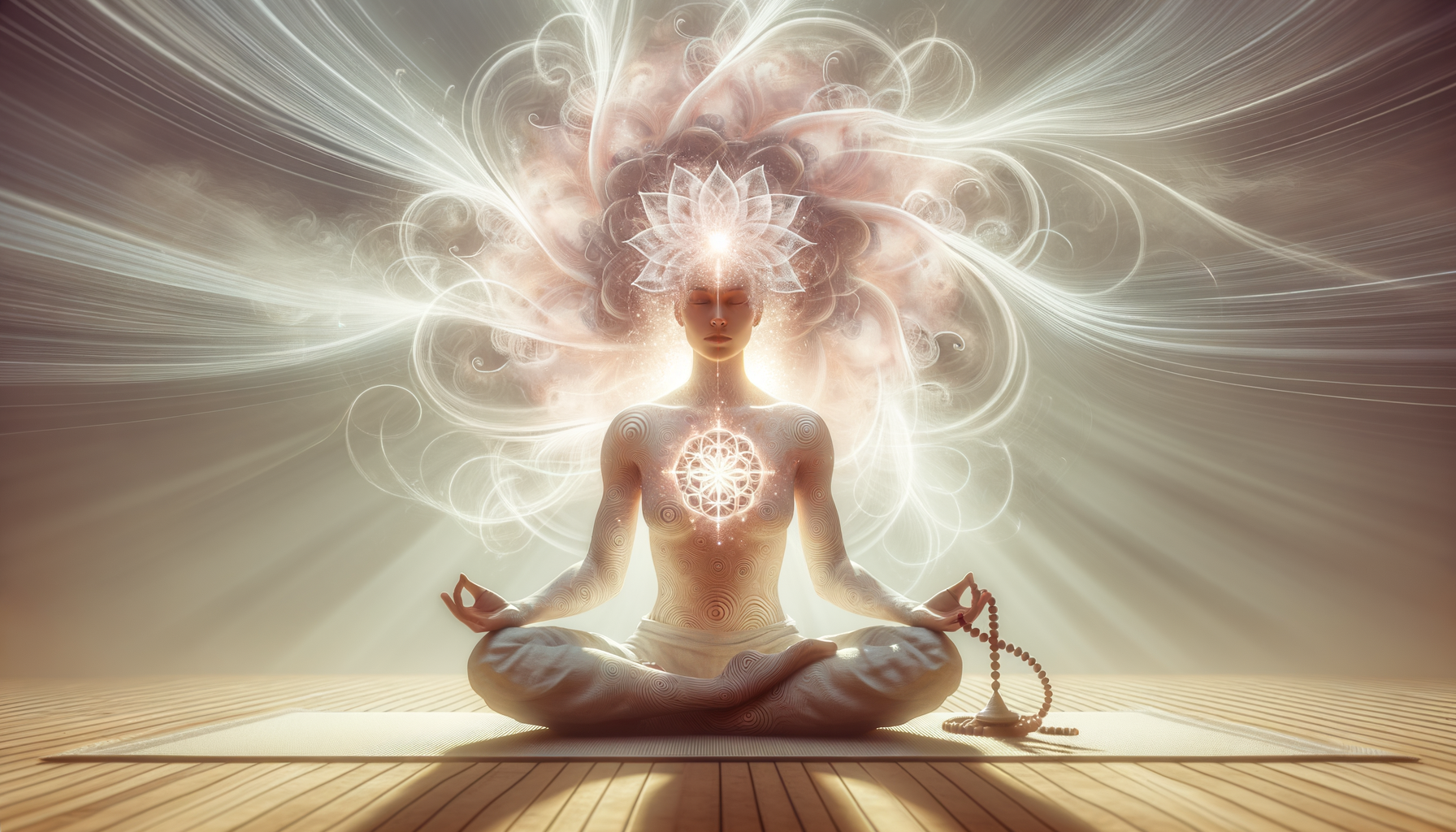
“When your mind creates upheaval, practice self-governance” encapsulates a core insight of Hindu wisdom and, more broadly, the shared ethos of dharmic traditions. It points to a disciplined, mindful response to mental turbulence, emphasizing Self-Discipline, Self-control, and Inner peace as practical, learnable skills within the Hindu way of life. Read through a dharmic lens, the phrase aligns with time-tested practices found in Yoga, Meditation, and Breath awareness that sustain Emotional well-being and Mental clarity.
Self-governance, in this context, signifies regulating attention, emotion, and intention before they harden into speech and action. Hindu Dharma frames this as cultivating steadiness through yama and niyama, supported by pratyahara and the contemplative training of Raja Yoga. Complementary ideas echo through the Upanishads and the Bhagavad Gita, where mastery of the mind is treated not as repression but as stewardshipguiding thought streams toward clarity, compassion, and wise action.
In everyday experience, many encounter moments when thoughts race, the chest tightens, and reactions feel compelled. Here, simple, embodied techniques restore balance: a brief pause, three to six slow breaths (Pranayama), and gentle observation of sensation can downshift reactivity. This sequencepause, breathe, observestabilizes awareness, reduces stress, and opens space for choice. Such practices integrate seamlessly with Mindfulness training and support sustained Mental health without abandoning responsibility or agency.
Dharmic traditions converge on this inner discipline. In Buddhism, sati grounds attention in the present; in Jainism, Samayik formalizes calm equanimity; in Sikhism, Simran centers consciousness in the Nam; in Hindu spirituality, dhyana and japa refine focus. Across these lineages, the shared instruction is clear: cultivate inner steadiness first, then engage the world. This unity in spiritual diversity affirms that self-governance is a common path to Inner Harmony and ethical living.
Ethically, self-governance channels energy toward dharmaaligning intention, word, and deed. The Bhagavad Gita’s counsel on directing the “chanchala” mind toward discernment speaks to this: stabilize attention, clarify values, and then act with courage and compassion. By integrating Meditation, Breath awareness, and mindful inquiry, individuals transform upheaval into insight, making responses more measured, truthful, and beneficial to community.
Viewed practically, this is a repeatable method for resilience: notice the surge, regulate the breath, observe without judgment, and respond in alignment with dharma. Over time, such Self-Discipline becomes a quiet strengthless noise within, more room for wisdom without. In this way, the dharmic commitment to self-governance becomes a proven pathway to peace, clarity, and compassionate action in a complex world.
Inspired by this post on Hindu Blog.










