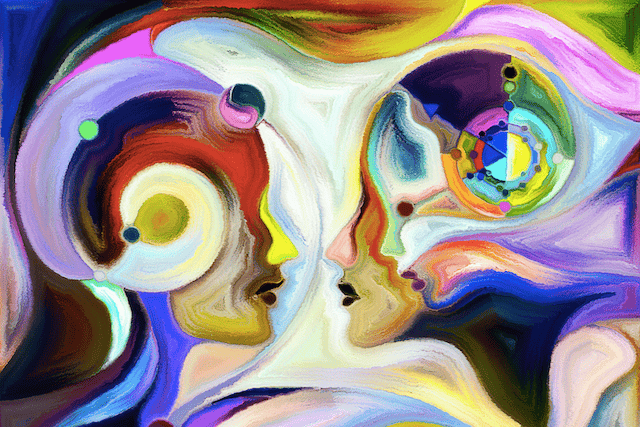
In an era of rapid technological transformation and global interconnectedness, balanced living requires more than efficiency; it calls for a renaissance of values guided by timeless dharmic wisdom. Hindu philosophy offers a rigorous framework for harmonizing the heart (karuṇā, dayā) and the brain (buddhi, viveka), enabling compassionate action informed by clear discernment. This renaissance is not nostalgia for the past; it is a living synthesis that strengthens inner stability, ethical clarity, and social harmony.
Hindu thought understands the mind as layeredmanas (sensory mind), buddhi (discriminative intellect), and chitta (memory)and points toward alignment with dharma so that feeling and reasoning reinforce each other. When buddhi is anchored in satya (truth) and ahimsa (non-violence), and the heart is educated by viveka (discernment), decisions become both humane and wise. The result is a mind-body harmony that improves emotional balance, resilience, and moral clarity.
Consider the familiar moment of interpersonal conflict at home or work. A dharmic approach begins with a brief pause in breath awareness, allowing reactive emotion to settle. Next comes reflection: what choice aligns with satya, and how can ahimsa guide speech and action? Finally, compassionate communication follows, firm yet kind. This simple sequencepause, reflect, responddemonstrates how heart and brain can work together in real time.
Core texts illuminate this synthesis. The Bhagavad Gita integrates jñāna (insight), bhakti (devotion), karma (selfless action), and dhyāna (meditation), showing that inner wisdom and outward duty mature together. Yogic perspectives describe anahata (the Heart Chakra) as a center for empathy and connection, while buddhi provides the stabilizing lens for ethical action. Breath (prāṇa) practices unify the nervous system, creating the physiological steadiness required for value-driven choices.
This integrative ethos is shared across dharmic traditions. Buddhism’s Middle Way cultivates compassion and mindful awareness to temper extremes. Jainism’s Anekantavada encourages many-sided understanding, refining intellectual humility and reducing conflict. Sikh teachings emphasize seva (selfless service) and nām simran (remembrance), translating inner devotion into communal care. Together, these streams affirm unity in spiritual diversity while honoring distinct paths.
Emotional intelligence matures through practices such as maitri (loving-kindness), gratitude, and forgiveness. Physiologically, gentle pranayamasuch as elongated exhalationssupports vagus nerve regulation, calming the stress response. Psychologically, this cultivates steadiness (sthita-prajña) that allows empathy to inform reason without being overwhelmed by sentiment.
Cognitive clarity emerges through viveka (discernment) and svādhyāya (self-study). Reflective inquiry (vichāra) examines assumptions, distinguishes needs from impulses, and aligns goals with dharma. The effect is tangible: decisions grow more proportionate, priorities become coherent, and ethical leadership gains credibility. This is philosophy appliedrobust enough for boardrooms, classrooms, and families alike.
A practical daily sādhanā can be concise and transformative: (1) Breathetwo minutes of slow pranayama to establish calm; (2) Reflectread a short passage from the Gita or a dharmic teaching and journal one actionable insight; (3) Serveperform a small act of seva, such as attentive listening, a helpful task, or a generous gesture. Repeated consistently, these micro-practices rewire habit loops toward clarity, compassion, and purpose.
Within relationships and communities, the heart-brain union models respectful dialogue and shared responsibility. Listening without interruption reflects karuṇā; articulating a principled position embodies viveka. Adopting Anekantavada in conversationacknowledging multiple perspectivesreduces polarization. Collective seva then translates shared values into real-world impact, strengthening social cohesion.
In the digital age, dharmic ethics provide a compass: satya counters misinformation, ahimsa reshapes online conduct, and aparigraha (non-hoarding) encourages mindful media consumption. Technology, guided by values, becomes an instrument of well-being rather than a source of fragmentation. This is the renaissance of values in practice: compassionate intelligence steering modern tools.
Progress can be felt and measured. Internally, there is steadier attention, reduced reactivity, and a deeper baseline of inner peace. Interpersonally, empathy increases and conflicts de-escalate sooner. Socially, decisions reflect long-term responsibility over short-term gain. Such outcomes indicate that the heart and brain are working together, anchored by dharma.
Harmonizing compassion and discernment is the hallmark of a true renaissance of values. Drawing from Hindu philosophy while celebrating the shared wisdom of Buddhism, Jainism, and Sikhism, this approach nurtures personal integrity and collective flourishing. With consistent practicebreath, reflection, and servicebalanced, compassionate living becomes not only possible but repeatable, scalable, and sustaining.
Inspired by this post on Hindu Blog.