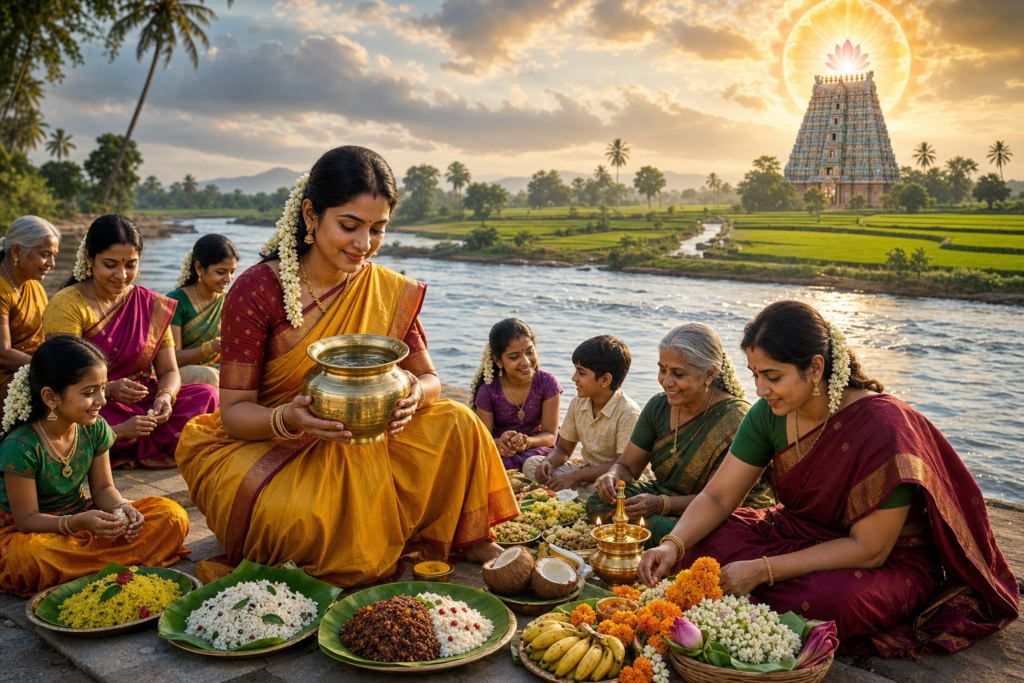
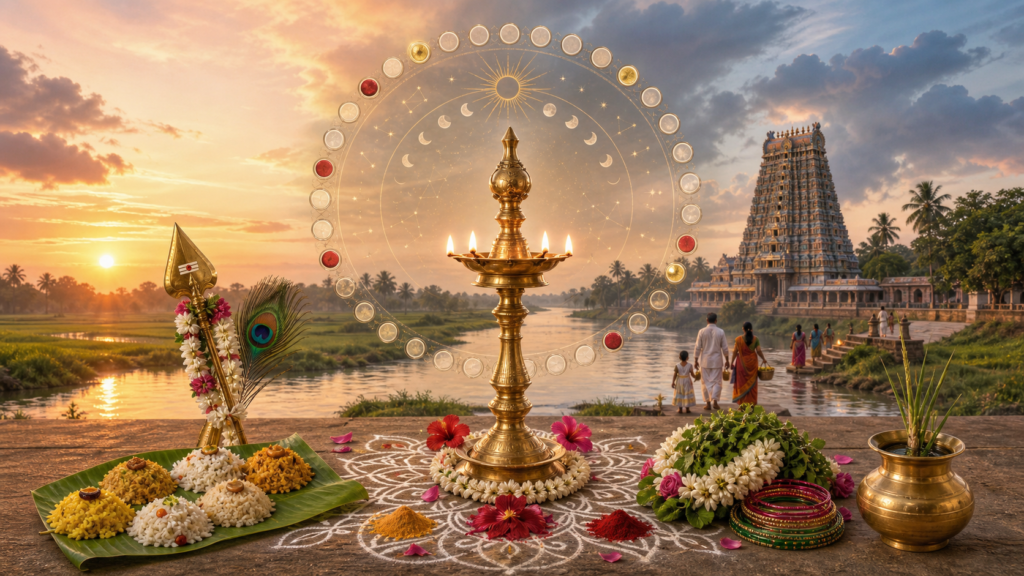
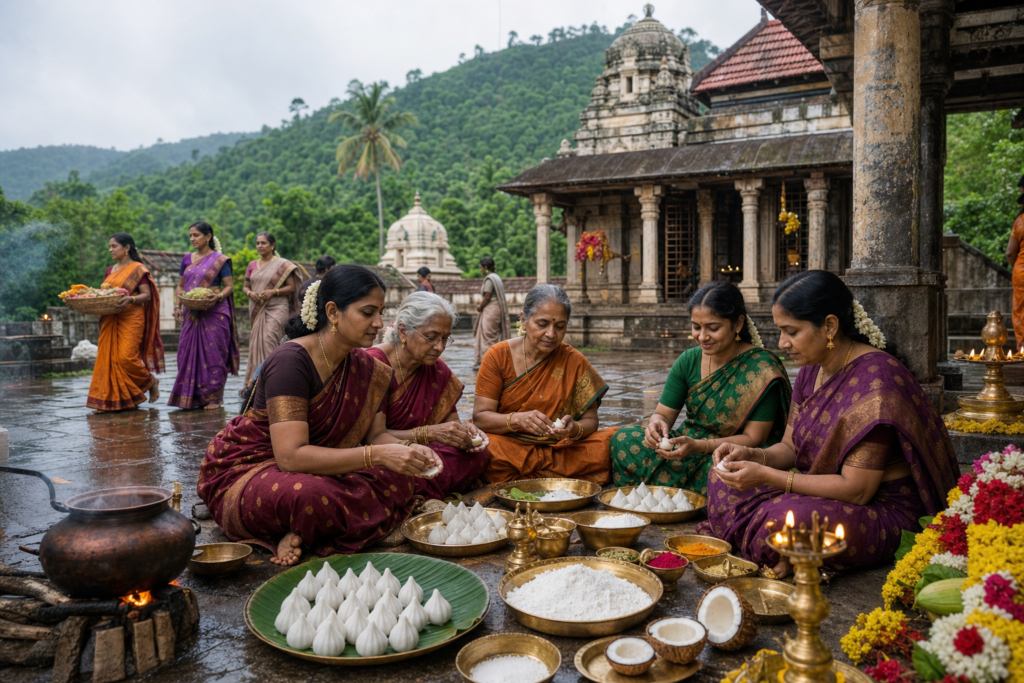
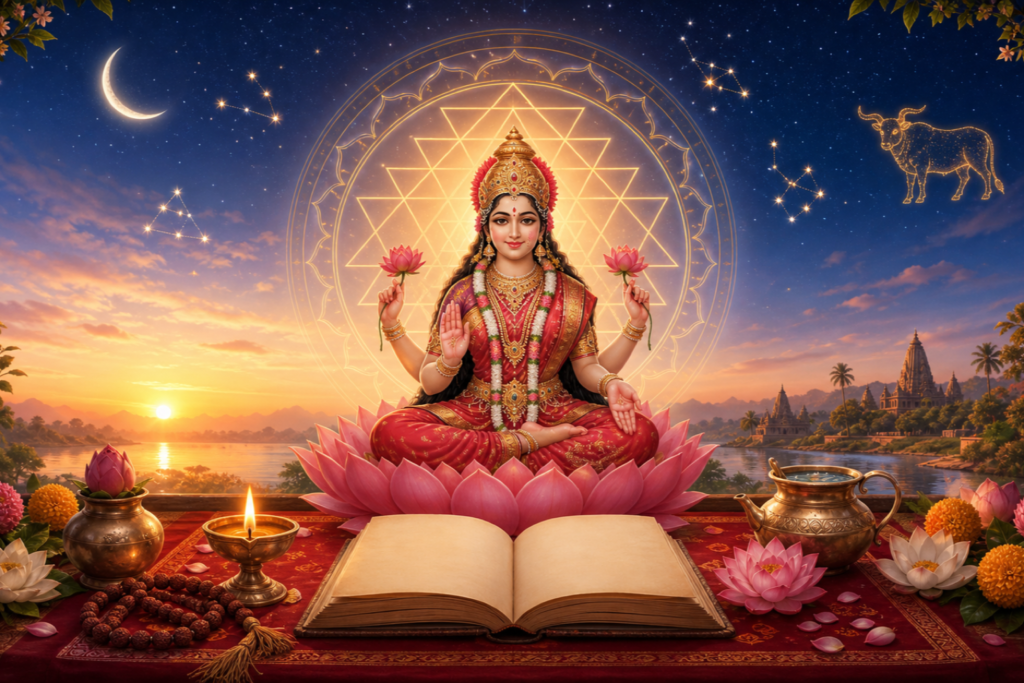
A brief two-week invitation evolved into a sustained engagement as careful reading revealed a coherent philosophy rooted in the ancient Vedas. Practices often associated with devoteessuch as chanting the Hare Krishna mantra and deity worshipemerged not as recent innovations but as disciplined methods grounded in Sanatana Dharma and its scriptural tradition. This recognition shifted initial curiosity into a thoughtful appreciation of how ritual and reflection integrate within a broader Vedic framework.
Vedic cosmology presents an expansive account of reality, describing cyclical creation and dissolution of material universes with methodical time scales and purposeful order. Rather than treating existence as random, the Vedas articulate a structured universe governed by principles that precede material manifestation. Read alongside texts such as the Bhagavad-Gita and related scriptures, these insights contextualize spiritual practice as a means to align conduct, mind, and intention with an intelligible cosmic design.
This perspective reframes contemporary anxieties about technology and human power. Even amid the specter of nuclear weapons, no outcome ultimately overrides divine sanction; the continuity or cessation of worldly conditions remains anchored to higher law. Understanding a benevolent and supreme controller does not dismiss human responsibilityit refines itencouraging humility, ethical restraint, and steady purpose. The realization offers intellectual clarity and emotional steadiness, replacing fear with a reasoned confidence in a moral cosmos.
As a practical discipline, chanting the Hare Krishna mantra cultivates attention, emotional balance, and moral resolve, while deity worship structures daily life around reverence and gratitude. These practices, when viewed through the lens of Vedic wisdom, harmonize with the shared dharmic values of Hinduism, Buddhism, Jainism, and Sikhism, including non-harm, truthfulness, inner discipline, and service. Such alignment underscores unity in spiritual diversity: multiple paths can strengthen a common ethical horizon without erasing their distinctive insights. In this way, Vedic teachings and contemplative practice nurture personal equilibrium and collective harmony, inviting seekers to participate in a plural yet principled spiritual community.
Inspired by this post on Dandavats.