Dakshinachara, the “right-hand path” in Hinduism, denotes a mode of spiritual conduct grounded in dharma, social responsibility, and ritually pure worship. It represents a widely embraced framework in contemporary Hindu society, emphasizing devotion (bhakti), disciplined practice (sadhana), and ethical living as the bedrock of spiritual progress.
Scripturally, Dakshinachara draws from a broad canonincluding the puranas, agamas, and tantraswhile reading these traditions through a lens of harmony and right conduct. Within this spectrum, the tantras hold particular importance for their theological and ritual focus on Shakti, the Sacred Feminine. In Dakshinachara, Shakti worship unfolds through sāttvic forms such as mantra recitation, image and yantra veneration, temple rites, and seasonal observances, all held within the guiding norms of dharma and community well-being.
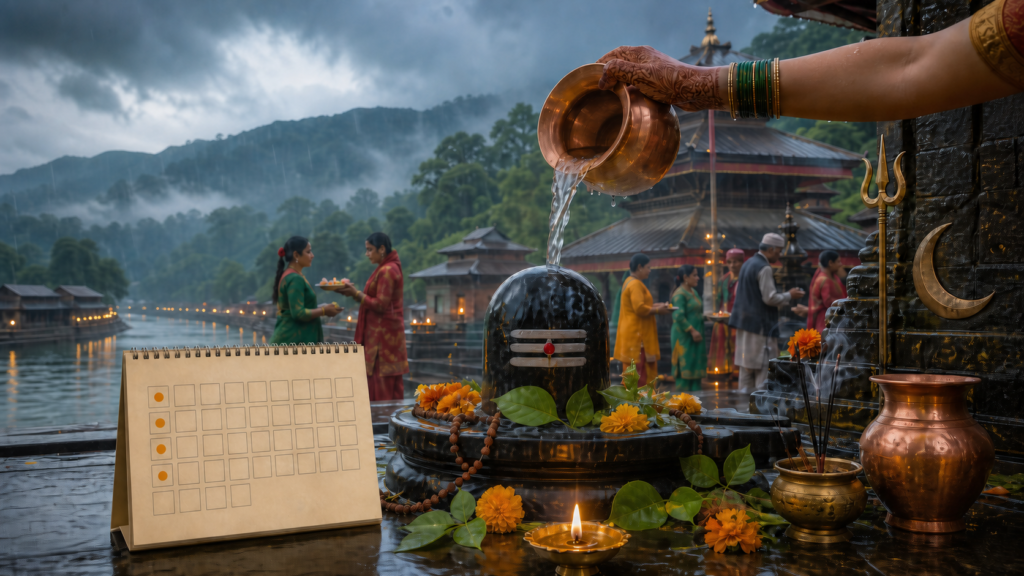
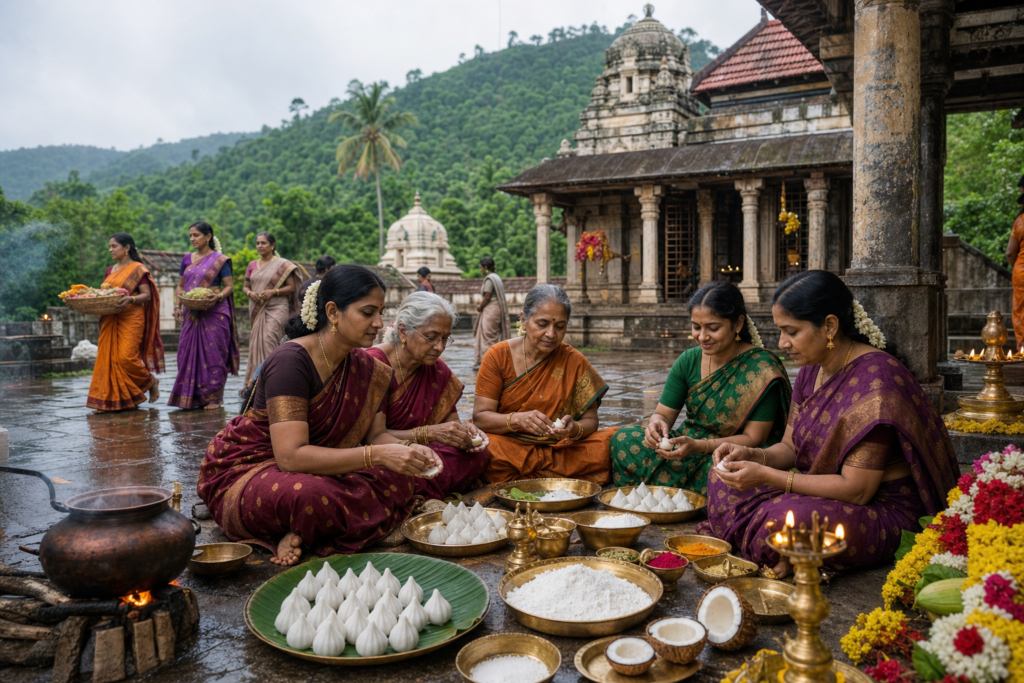
In lived practice, Dakshinachara is recognized in familiar rhythms: evening ārati in temples and homes, japa performed with quiet concentration, vrata observances that shape the calendar of festivals, and tirtha-yātras that bind communities across regions. These practices balance scriptural fidelity with accessibility, inviting householders and renunciants alike to cultivate inner clarity through outwardly wholesome forms of worship. For many families, the resonance of bells at dusk and the fragrance of incense evoke continuity, belonging, and the assurance that spiritual growth can be pursued through stable, community-affirming means.
Philosophically, Dakshinachara affirms that spiritual realization can be approached through multiple methods of worship and spiritualitydevotion, meditation, service, study, and ethical disciplinewithout insisting on a single, uniform path. This acceptance of diversity nurtures unity across dharmic traditionsHinduism, Buddhism, Jainism, and Sikhismby highlighting shared values such as compassion, non-violence, self-mastery, and reverence for truth. Rather than narrowing spiritual possibility, Dakshinachara broadens it, supporting a plural religious ecosystem in which distinct practices coexist and mutually enrich one another.
In the modern world, where religious life intersects with complex social realities, Dakshinachara offers a steadying framework: it honors sacred texts, centers ethical action, and keeps devotion attuned to community welfare. By encouraging respectful dialogue and emphasizing harmony over contention, it provides language and practice for constructive interfaith engagement while remaining faithful to Hindu spiritual principles. Its right-hand orientation thereby becomes not only a ritual designation but a template for inclusive, responsible, and uplifting spiritual citizenship.
Seen in this light, Dakshinachara integrates scripture, ritual, and ethics into a single, coherent path. It channels the theological richness of the puranas, agamas, and especially the tantras’ Shakti theology into a practice that is both profound and publicly edifyingan approach that strengthens social cohesion and fosters unity in spiritual diversity.
Inspired by this post on Hindu Blog.