“When there is plenty, put some away for tough times” expresses a timeless strand of ancient Hindu wisdom that prizes foresight, moderation, and preparation. Framed within Hindu philosophywhere dharma guides right action and artha governs prudent livelihoodthe maxim offers a durable template for resilience across generations and changing economies.
Rooted in Hindu scriptures, narratives, and cultural practices, this principle aligns with the ethics of measured consumption and steady effort. The Bhagavad-Gita commends balance in eating, working, and resting, while texts such as Vidura-niti and the Arthasastra emphasize careful resource management, fiscal prudence, and protection against uncertainty. Traditional household dharma likewise upholds stewardshipsustaining the family and community through seasonal cycles by setting aside grain, wealth, and essentials during prosperous periods.
Across the broader Dharmic traditions, the same ethic appears in complementary forms, underscoring unity of insight. In Buddhism, the Middle Way and dana cultivate moderation and mindful generosity that enable sangha resilience during hardship. In Jainism, aparigraha (non-hoarding) and the anuvratas guide disciplined living, ensuring that prudent savings never lapse into attachment. In Sikhism, the practices of seva, langar, and dasvandh demonstrate structured sharing and community preparedness, strengthening collective well-being. Together, these traditions present a shared, coherent philosophy: prudent stewardship today sustains compassionate action tomorrow.
Applied to contemporary life, this wisdom translates into practical habits that build household resilience and social stability. Creating an emergency fund, diversifying livelihoods, maintaining community stores, and prioritizing repair and reuse reduce vulnerability to economic shocks or natural disruptions. Such preparation integrates ethical consumption with sustainability, aligning personal finance with cultural continuity and ecological responsibility.
Psychologically, saving during prosperity cultivates calm, clarity, and confidence. The presence of a safety cushion lowers anxiety, improves decision-making, and frees attention for learning, creativity, and service. This inner steadiness, praised in ancient wisdom, allows individuals and communities to respond to adversity with dignity rather than fear.
Importantly, the teaching advocates moderation, not miserliness. Prudent saving coexists with generosity: aparigraha discourages hoarding, while dana and seva encourage circulation of resources to where they are most needed. By balancing restraint with compassion, this ethic ensures that preparation enables, rather than inhibits, timely assistance to others.
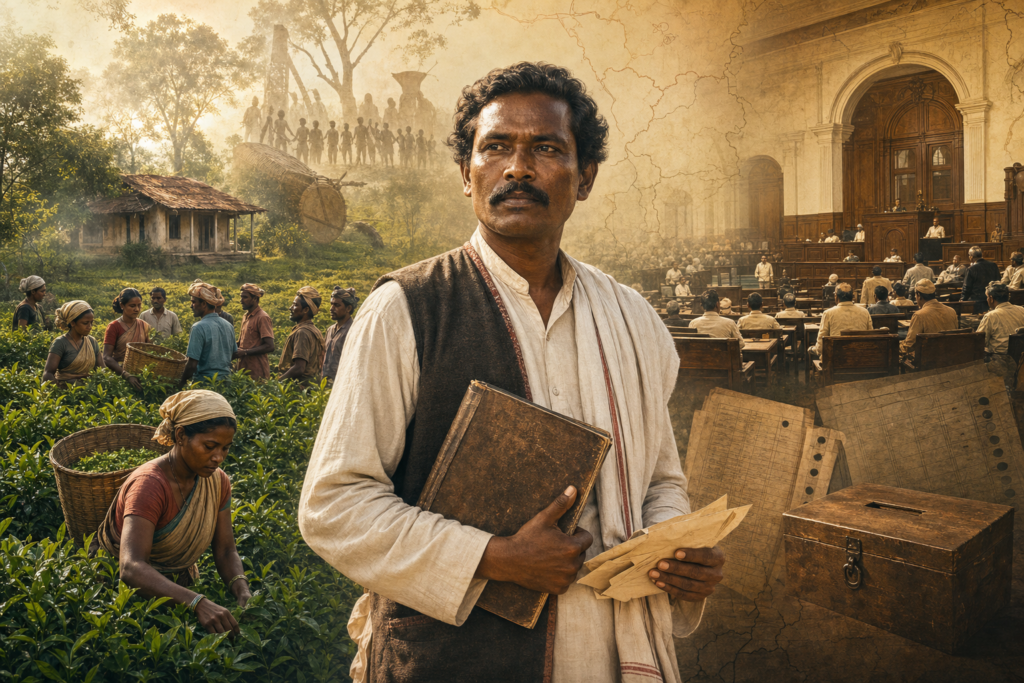
Historical practice reinforces this outlook. Village granaries, temple endowments for anna-dana, seasonal stores, and community funds functioned as local buffers against famine, price shocks, and monsoon variability. These institutions embodied a sophisticated understanding of risk, continuity, and shared responsibility, echoing the Arthasastra’s counsel on preparedness and the household’s duty to safeguard future stability.
As a unifying Dharmic principle, the maxim affirms that foresight in times of abundance is a moral commitment to future well-being. By integrating moderation, careful planning, and compassionate sharing, individuals and communities can convert prosperity into lasting resilienceready to withstand hard times and to serve others when challenges arise.
Inspired by this post on Hindu Blog.