-
Why Preserving Dharmic Culture Is Essential for Knowledge, Identity, and Unity

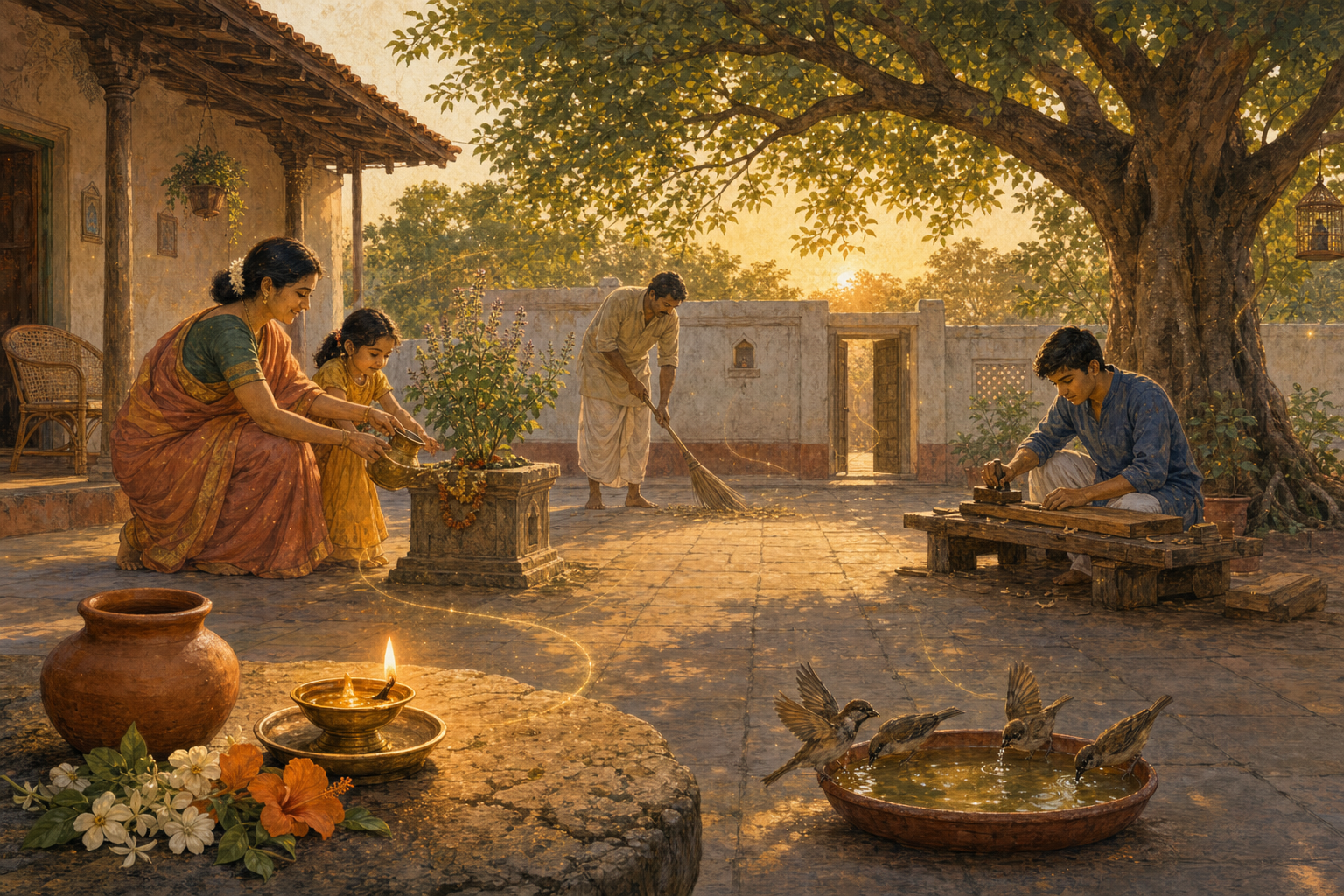
Preserving culture is essential because it protects the memory, wisdom, ethics, and spiritual depth of a civilization. Vedic culture and the wider Dharmic traditions of Hinduism, Buddhism, Jainism, and Sikhism offer enduring frameworks for duty, self-discipline, compassion, knowledge, and liberation. Cultural preservation does not mean rejecting modernity; it means engaging the modern world with rooted…
-
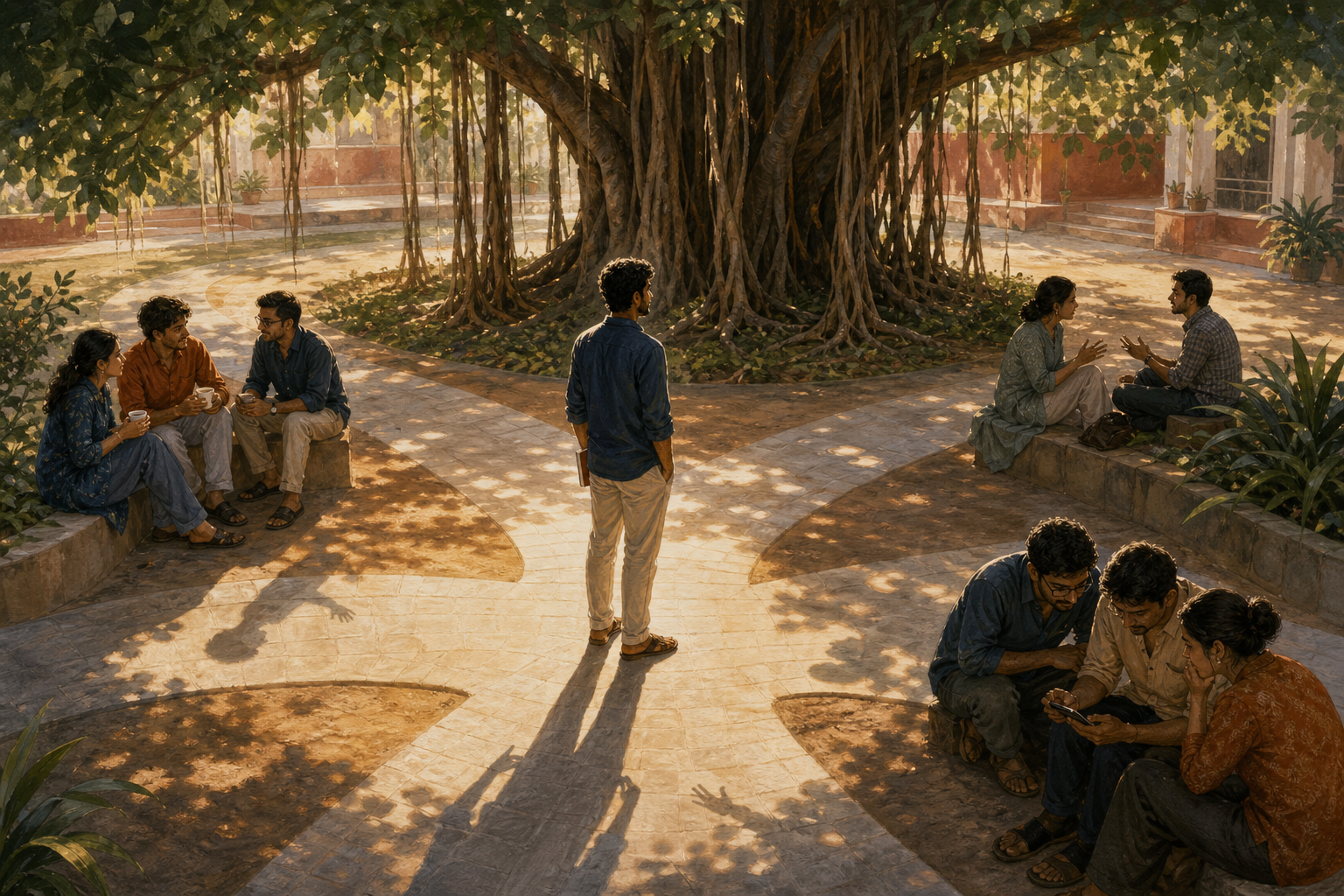
Beyond Classroom Walls: Unleashing Creative Minds with Dharmic Wisdom and Modern Innovation

Many creative students feel constrained by slow pacing, narrow syllabi, and memory-focused exams. Drawing on Dharmic wisdom from Hinduism, Buddhism, Jainism, and Sikhism, this piece outlines how experiential, project-based learning transforms curiosity into real-world impact. It highlights the power of the guru–shishya tradition, Anekantavada, seva, mindfulness, and Karma Yoga to unify ethics and innovation. It…
-
Ancient Dharmic Wisdom on Saving: Build Resilience in Prosperity to Withstand Hard Times

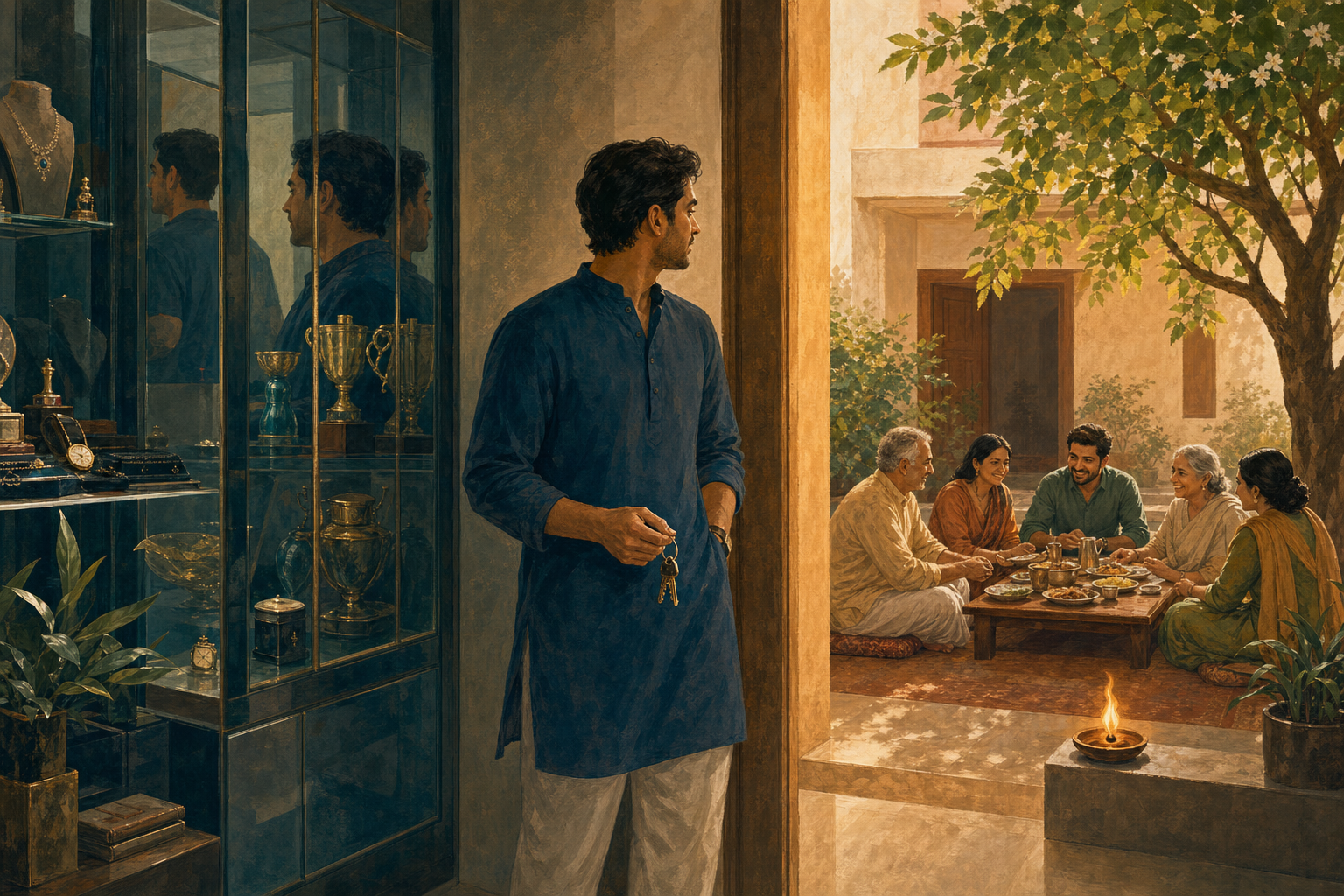
The adage “When there is plenty, put some away for tough times” encapsulates ancient Hindu wisdom on foresight, moderation, and preparation. Anchored in Hindu philosophy and echoed across Buddhism, Jainism, and Sikhism, it advocates ethical stewardship that strengthens household and community resilience. Practical applications include building emergency funds, maintaining community stores, and embracing repair and…
-
Kali Yuga’s Silent Crisis: Contentment as the Missing Key to Inner Peace and Dharma

Kali Yuga is marked by restlessness despite material progress, and ancient wisdom identifies contentment as the missing key to inner peace. This piece explains how santosha is understood across Hinduism, Buddhism, Jainism, and Sikhism and why these convergent teachings matter now. Readers gain a clear distinction between contentment and complacency, seeing how inner steadiness enables…
-
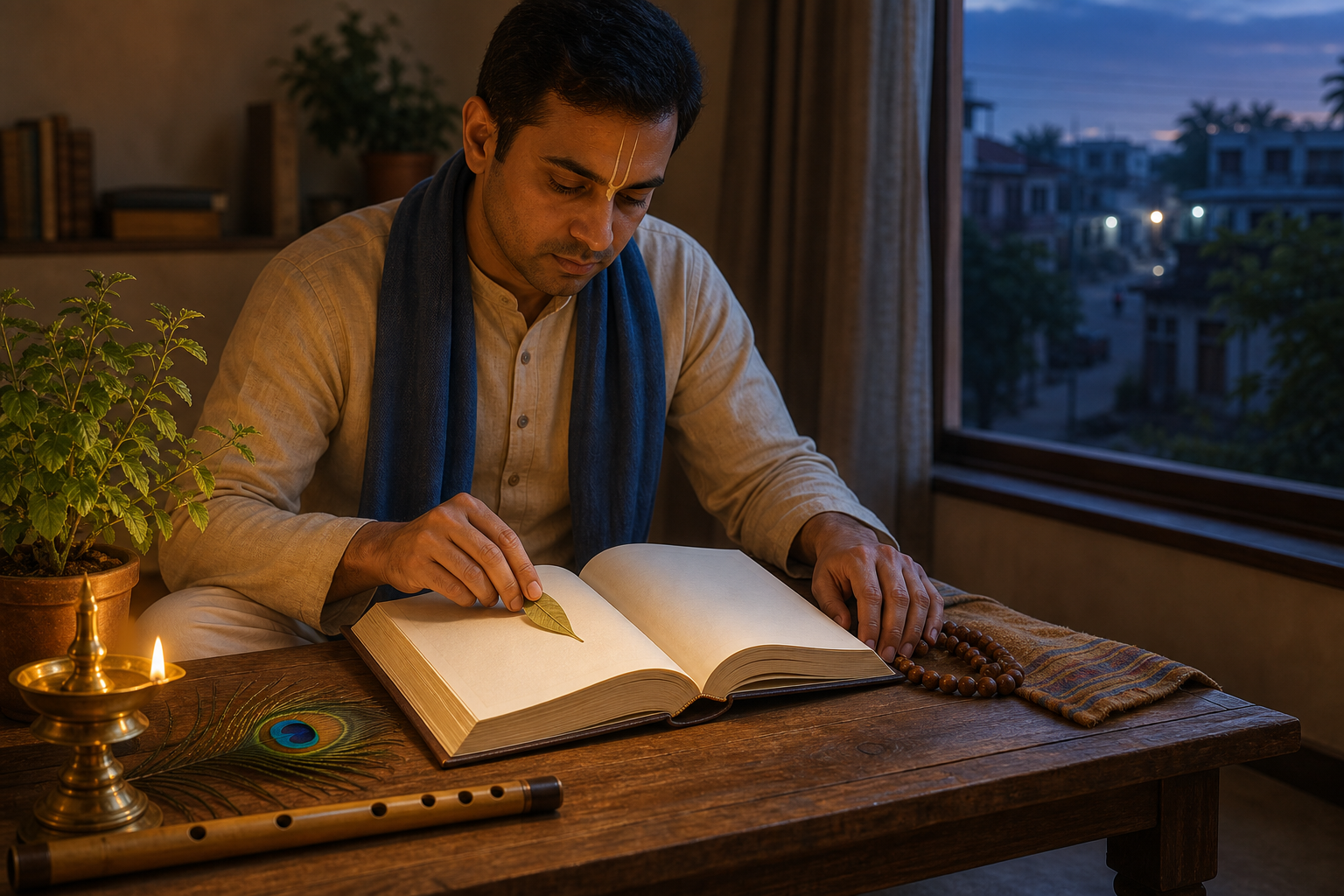
The Essential Dharmic Secret to Clarity: Discover Travel as a Proven Path to Inner Renewal

This article explores a time-tested Dharmic insight: intentional travel as a disciplined practice for clarity. Drawing on Hinduism’s tirtha-yatra and the parivrajaka ethos, it shows how movement functions as sādhanā that resets cognition, widens perspective, and supports mindful self-discovery. Scriptural themessuch as Charaiveti charaiveti and the Gita’s emphasis on equanimityare connected to modern psychology’s findings…
-
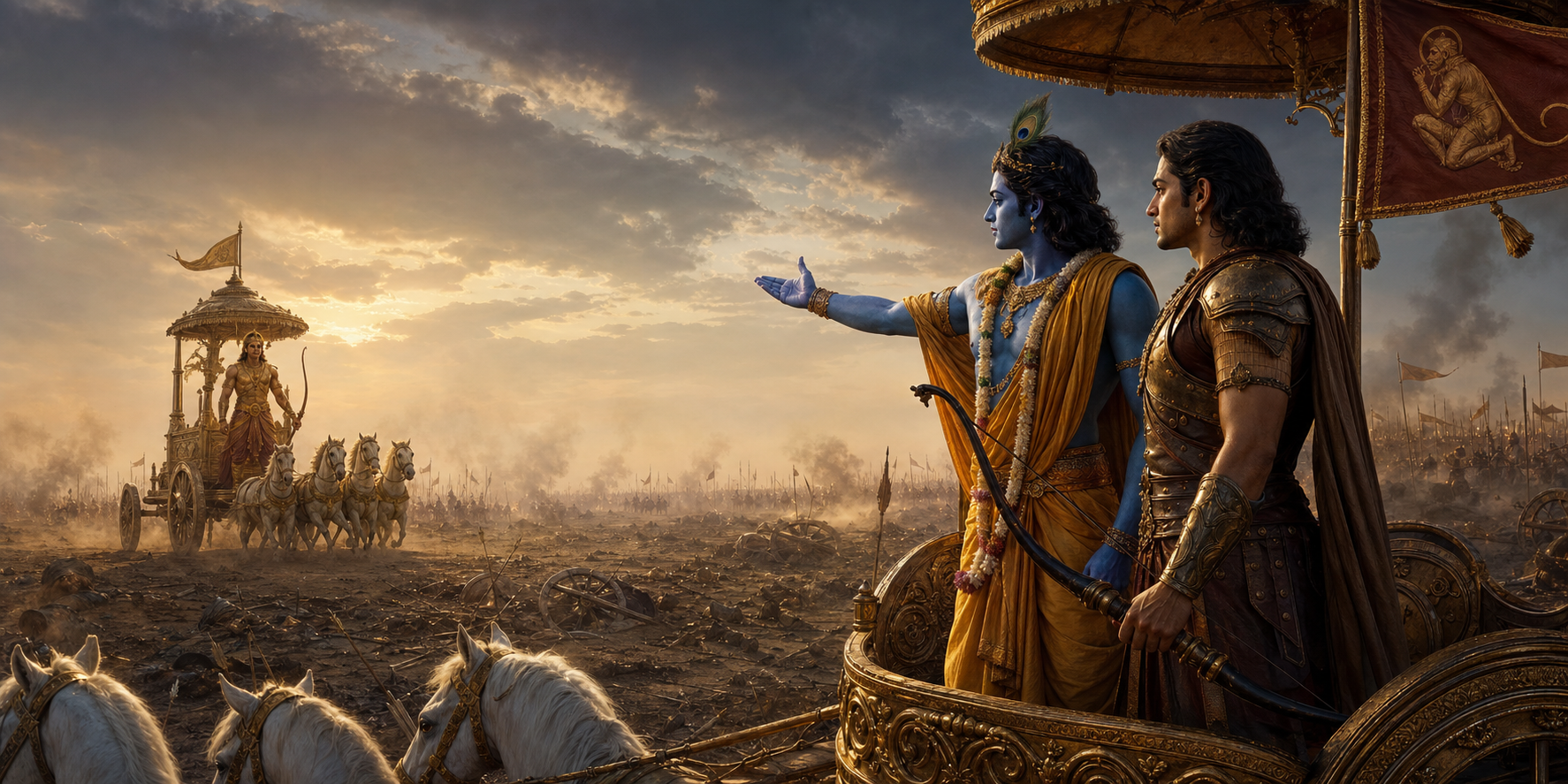
Master Time’s Treasure: Essential Ancient Hindu Wisdom to Transform Life and Destiny

This reflection explores kala (काल) as a core principle in Hindu philosophy, presenting time as a sacred and transformative force. Readers will discover how the Bhagavad Gita’s “kālo’smi” clarifies the ethical urgency of each moment. The discussion weaves unity across dharmic traditionsBuddhism, Jainism, and Sikhismshowing shared respect for time through impermanence, disciplined conduct, and harmony…
-
Bharat: The Natural Home for Sanatanis (Hindus, Buddhists, Jains, and Sikhs)

“Bharat: The Natural Home for Sanatanis (Hindus, Buddhists, Jains, and Sikhs)” explores why India is the intrinsic homeland for these ancient religions. The post highlights India’s historical roots as the birthplace of these faiths, its rich cultural and spiritual heritage, and the preservation of ancient knowledge and texts. It emphasizes the socio-cultural practices and festivals…
-
The Poetry of Algebra: How India Contributed to the Logic of Indeterminate Equations

This blog post explores the contributions of ancient Indian mathematicians Bhaskara, Brahmagupta, and Aryabhata to algebra, highlighting their work on indeterminate equations. It emphasizes the poetic beauty of algebra and its enduring legacy, connecting historical mathematical innovations to modern technology and the development of computers in India.