“If we could see the miracle of a single flower clearly, our whole life would change.” ~Buddha
There are seasons when life appears stripped of joy and the future narrows rather than expands. In such periods, energy is depleted from the moment the day begins, and the world can feel without softness or rest. This description aligns with a lived reality shaped by progressive vision loss from macular degeneration, the responsibilities of caregiving for a ninety-six-year-old mother, and ongoing financial strain. In this context, joy can seem remote, as if it belongs to others and resists habitation.
The search for something steady to hold often reveals that joy behaves like vaporvisible and fleeting, yet difficult to grasp. Under the weight of disability and caregiving, identity can blur and memory can default to an earlier, easier self. The cumulative effect is numbness, fatigue, and a quiet question about whether genuine connection and beauty remain accessible.
Every other Friday, clinical routines underscore this uncertainty. The waiting room for eye injectionstherapies that slow macular degenerationsettles into a hush of apprehension. Breath slows, posture contracts, and the atmosphere fills with unspoken fear. On many visits, one individual’s public anger fractures that fragile calm, producing a palpable contraction in the room and in the body.
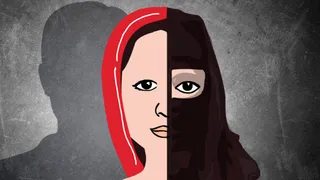
Her pattern is consistent: sharp tones directed at staff, accusations about delays, and tense exchanges with others nearby. At times, she broadcasts into her phone a running narrative of abandonment. The effect on the room is immediate: eyes lower, shoulders tighten, and safety feels diminished. The scene raises a difficult question: has social life become so frayed that empathy yields to outrage as a default mode of expression?
This question, however, does not remain abstract. It points to a broader cultural condition of isolation and fear, where disconnection becomes a survival stance and anger a last-ditch language for unmet needs. The resonance is internal as well, revealing how easily stress, grief, and uncertainty can narrow perception and drain resilience.
Then a small event altered the frame of reference. Days before a clinic appointment, a simple conversation with the mother turned unexpectedly into shared laughterunforced, spontaneous, and unmistakably alive. That moment loosened the chest, softened the shoulders, and released tension that had gone unnoticed. The response was brief yet unmistakable: joy existed, not as a grand narrative, but as a clear signal that the heart remained capable of warmth.
When the clinic visit resumed and the familiar wave of anger reappeared, perception shifted. Instead of threat, what stood out was unprocessed pain. The anger resembled grief without a landing place, heartbreak without a witness. In that light, the person expressing rage was not the problem; rather, the behavior signaled a symptom of widespread disconnection.
This reframing has ethical and contemplative implications consistent with Dharmic traditions. Across Buddhism, Jainism, Hinduism, and Sikhism, ethical life emphasizes ahimsa (non-harm), karuna (compassion), maitri (friendliness), and seva (selfless service). Each tradition affirms that small acts of awareness and care can transform experience. When suffering is seen clearly, compassion becomes a practical discipline rather than a sentimental ideal, and unity arises through shared human vulnerability.
Hope, in this view, is not a dramatic turning point. It is small, brief, and quieta spark rather than a blaze. It can be the sound of a mother’s laughter, a breath that releases tension, or the recognition of a moment while it is still unfolding. It is the deliberate refusal to let pain monopolize the narrative. This is resilience in practice: the disciplined choice to register and value what is life-giving, even when circumstances do not change.
Small moments carry restorative power because they recalibrate attention and physiology. When someone softens, when a room relaxes, when a shared smile interrupts isolation, the nervous system receives credible information that safety and connection remain possible. The world may feel harsh or divided, yet each small instance of warmth affirms that life is still here, joy remains accessible, and memory of goodness persists.
A simple practice can anchor this understanding. Close the eyes and take a slow breath. Recall a single momentno matter how fleetingthat signaled warmth or connection: a laugh, a smile, a hand held, sunlight on the face. Hold that memory for five steady breaths, observing the body’s response. That felt shift is the seed of healing, and it grows through repeated, mindful attention.
Two questions can guide integration: When was the last time a small spark of joy appeared? What would happen if that moment were allowed to matter? In this case, the immediate answer was clear: hearing a mother’s laughter. The deliberate choice to let that be sufficient, for now, exemplifies a compassionate discipline drawn from shared Dharmic wisdoma commitment to notice, value, and sustain the humane in everyday life.
Inspired by this post on Tiny Buddha.